

Table of Contents
- Why Cold Sores Always Appear Right Before the Big Day
- Know Your Cold Sore Triggers and Prevention Plan
- The Prodrome Window: How to Stop Cold Sores Early
- Your 7-Day Pre-Event Action Plan
- Fast-Acting Cold Sore Treatment: What Actually Works
- Cosmetic Camouflage and Confidence: Managing the Visual Side
- Common Prevention Mistakes That Backfire
- Final Checklist for a Clear, Confident Event
- Frequently Asked Questions
Last Updated: September 6, 2026
It is the cruelest timing in dermatology: you have a wedding, a client presentation, or a first date on the calendar, and you wake up to that familiar, ominous tingle on your lip. Preventing cold sores before big events requires understanding your triggers and acting within a very narrow window of time, not just hoping for the best. The herpes simplex virus that causes these outbreaks is opportunistic, and stress, fatigue, and sun exposure are its favorite accomplices (peer-reviewed research). This guide from LipCur walks you through a practical, day-by-day strategy to keep your lip clear and your confidence intact for the moments that matter most.

Why Cold Sores Always Appear Right Before the Big Day
The phenomenon isn't bad luck; it's biology. The herpes simplex virus thrives when your body's defenses are lowered, and the period leading up to a big event is a perfect storm of physical and emotional strain. Late nights, increased caffeine, and the anxiety of public speaking all suppress immune function, giving the virus a chance to reactivate and travel to the skin's surface.
Most people don't realize that the stress of anticipation is often worse than the event itself. Your body interprets the pressure of an upcoming deadline or social performance as a threat, releasing cortisol which can trigger viral replication. This is why cold sores frequently appear 24 to 48 hours before the event, rather than after it. The good news is that this predictable pattern makes prevention possible.
Know Your Cold Sore Triggers and Prevention Plan
A successful prevention plan starts with identifying your personal triggers. While the herpes simplex virus type 1 (HSV-1) is the underlying cause, specific environmental and lifestyle factors act as the switch that turns it on. The virus lies dormant in nerve cells near your ear or jaw, and when triggered, it travels down the nerve to the skin surface to replicate. For many, the primary culprits are physical stress on the body and direct sun exposure, which can damage the lip skin and reactivate the latent virus.
Stress, Sleep, and Sun: The Top Three Triggers
Managing these three areas is the foundation of any strategy for how to stop cold sores early. Sleep deprivation is a major immune suppressor, so prioritizing quality rest in the week leading up to your event is non-negotiable. Sun exposure is equally critical; ultraviolet rays can trigger an outbreak even on cloudy days or through window glass, so a lip balm with an SPF of 30 or higher should be your constant companion (the American Academy of Dermatology). Reapply it every two hours if you are outdoors, as the protection wears off.
Beyond the Big Three: Lesser-Known Triggers
While stress, sleep, and sun are the most common, other factors can be just as potent. A common pattern is the onset of a cold, flu, or fever, which is why these sores are often called fever blisters. The systemic immune response to a respiratory infection can reactivate the virus. Hormonal fluctuations, particularly the drop in estrogen and progesterone right before a menstrual period, are a frequent trigger for women. Even minor physical trauma to the lip area, such as a dental procedure, a nick from shaving, or aggressive exfoliation, can provide a local opening for the virus to emerge.
The Role of Diet and Immune Support
Your immune system is your first line of defense, and its function is closely tied to your diet. A diet high in processed sugar and refined carbohydrates can cause blood sugar spikes that lead to inflammation, potentially weakening your immune response. Conversely, foods rich in the amino acid lysine (found in fish, chicken, and dairy) are often cited as beneficial, while foods high in arginine (like chocolate, nuts, and seeds) are sometimes thought to feed the virus. While clinical evidence on this dietary trade-off is mixed, many practitioners find that a balanced diet rich in vitamins C and E, zinc, and B-complex vitamins supports the immune function necessary to keep the virus dormant. Staying well-hydrated is also crucial, as dehydration stresses the body and can dry out the lips, making them more susceptible to cracking and viral entry.
Building Your Personal Trigger Profile
The most effective way to prevent outbreaks is to understand your own patterns. Keep a simple log for a few months, noting the date of any outbreak and what was happening in the days prior. Did you have a late night? A stressful deadline? A day at the beach? A head cold? Over time, you will likely see a clear correlation. This personal data is more powerful than any general advice, as it allows you to anticipate and mitigate your specific risk factors before a big event.
The Prodrome Window: How to Stop Cold Sores Early
The most critical phase in preventing cold sores before big events is the prodrome stage. This is the period of tingling, itching, or burning that occurs before any visible blister appears. This is your only opportunity to stop the outbreak in its tracks, as the virus is replicating but has not yet caused the visible lesion.
At the very first sensation of a tingle, you must act immediately. This is not the time to wait and see. Applying a fast-acting cold sore treatment at this stage can significantly reduce the severity and duration of the outbreak, or in some cases, prevent the blister from forming entirely. The window is short, often just a few hours, so speed is of the essence.
Your 7-Day Pre-Event Action Plan
If you have a major event on the horizon, start your prevention protocol a full week in advance. This structured approach gives your immune system the support it needs and ensures you are prepared for any early warning signs.
- Day -7 to -3: Focus on immune support. Prioritize 7-8 hours of sleep, stay hydrated, and moderate your alcohol and caffeine intake. Begin using a lip balm with SPF 30 every morning.
- Day -2: Minimize stress. Avoid last-minute cramming or high-pressure situations. If you feel a tingle, begin applying a topical treatment immediately.
- Day -1: Prepare your emergency kit (see below) and ensure you have a fast-acting treatment on hand. Do a final check of your lip area for any signs of prodrome.
- Day of Event: Apply your SPF lip balan and a light layer of your treatment as a preventative measure. Focus on staying calm and hydrated.
The Day-Of Emergency Kit
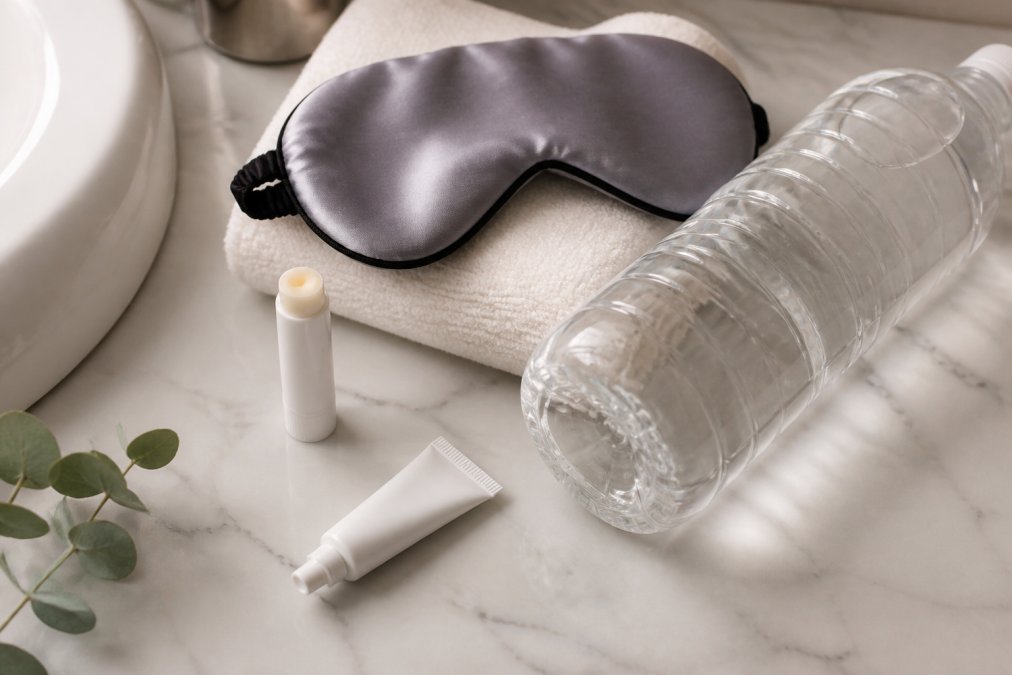
Even with the best plan, the virus can be unpredictable. Carry a small kit with you to the event to handle any last-minute issues discreetly. This kit should include your fast-acting treatment, a small mirror, and a concealer or lipstick for camouflage if needed. Having these tools on hand reduces panic and allows you to manage the situation with confidence.
Fast-Acting Cold Sore Treatment: What Actually Works
When the prodrome tingle strikes, not all treatments are created equal, and the choice you make can mean the difference between a minor blemish and a full-blown blister. The most effective approach is a treatment that works with the skin to stop viral replication and soothe the area. Here is a breakdown of the options available, from over-the-counter remedies to prescription medications.
Over-the-Counter Topical Creams
The pharmacy aisle offers two distinct categories of OTC creams. The first category includes drying agents, often containing ingredients like alcohol or zinc oxide. These are designed to dehydrate the blister, which can actually prolong the healing process, increase discomfort, and lead to cracking. The second, more effective category includes creams with the active ingredient docosanol (the sole FDA-approved OTC antiviral for cold sores, sold under the brand name Abreva) (the FDA). Docosanol works by preventing the virus from fusing to the cell membrane, thereby blocking replication. It is most effective when applied at the very first sign of the prodrome tingle and must be used five times a day to be effective.
Prescription Antiviral Medications
For individuals who experience frequent or severe outbreaks, a doctor can prescribe oral antiviral medications. The most common are acyclovir (Zovirax), valacyclovir (Valtrex), and famciclovir (Famvir). These work systemically to stop the virus from multiplying. A standard course for an episodic outbreak is a high-dose, short-duration regimen, for example, a two-day course of valacyclovir taken at the first sign of a tingle. Many practitioners find that this approach can reduce healing time to just a few days or even prevent the lesion from forming entirely. For those with predictable triggers, such as a major event, a doctor may prescribe a 'suppressive therapy' protocol, where a lower daily dose is taken for a week leading up to the event to keep the virus dormant.
The LipCur Difference: A Targeted Approach
Our top recommendation for stopping an outbreak is LipCur, a fast-acting cold sore treatment formulated to help you heal within 24 hours. LipCur's gentle, soothing formula repairs and protects the skin while preventing the uncomfortable itching and tingling associated with cold sores. It is designed to stop the outbreak in its tracks, minimizing visibility so you can face your event with confidence.
When to Consider a Doctor's Visit
While most cold sores can be managed at home, you should consult a healthcare provider if you experience outbreaks more than six times a year, if the sore does not heal within two weeks, if the pain is severe, or if the outbreak spreads to your eyes or other parts of your body. A doctor can provide a definitive diagnosis and discuss whether daily suppressive therapy is right for you, which can be a game-changer for those who live in constant fear of an outbreak before a big event.
Cosmetic Camouflage and Confidence: Managing the Visual Side
If a blister does appear despite your best efforts, the psychological impact can be significant. The stigma and self-consciousness associated with a visible cold sore are often worse than the physical symptoms. However, modern makeup techniques can effectively minimize the appearance of a sore, allowing you to participate in your event without feeling defined by it.
To camouflage a cold sore, start with a green color-correcting concealer to neutralize the redness, followed by a high-coverage, creamy concealer that matches your skin tone. Set the area with a light powder to prevent the makeup from sliding off the moist surface. Crucially, avoid touching the area with your fingers to prevent spreading the virus or causing a secondary infection.
Common Prevention Mistakes That Backfire
Many well-intentioned prevention strategies are actually counterproductive. One of the most common mistakes is popping or picking at the blister, which can spread the virus to other parts of the face and increase the risk of scarring. Another error is stopping treatment as soon as the blister disappears; the virus may still be active, and stopping early can lead to a recurrence in the same spot.
Additionally, sharing lip balm, utensils, or towels during an active outbreak is a major transmission risk. The virus can survive on surfaces for a short period, so maintaining strict hygiene is essential to prevent spreading it to others or to other parts of your own body.
Final Checklist for a Clear, Confident Event
Preventing cold sores before big events is about being proactive, not reactive. By understanding your triggers and respecting the prodrome window, you can take control of your skin's health.
- Prioritize sleep for 7 days leading up to the event.
- Use SPF lip balm daily to block ultraviolet triggers.
- Manage stress with mindfulness or light exercise.
- Stock your emergency kit with a fast-acting treatment and concealer.
- Act instantly on the first sign of a tingle with a fast-acting cold sore treatment.
A clear lip allows you to focus on the people and moments in front of you, rather than worrying about a small sore. For reliable, rapid relief that stops outbreaks and heals within 24 hours, LipCur offers the targeted support you need. Get started with LipCur and face your next big event with confidence.
Frequently Asked Questions
How do you stop a cold sore before it shows?
The window is the prodrome stage, when you feel tingling, burning, or itching but no blister is visible yet. At that first sensation, apply a fast-acting cold sore treatment immediately. Antiviral creams work best when viral replication is just beginning. Keep the area moisturized and avoid touching it. Starting treatment within the first few hours can stop the outbreak from progressing to a visible blister for many people.
What is the biggest trigger for cold sores?
Stress is the most common trigger, followed closely by sun exposure and lack of sleep. Ultraviolet rays from the sun can reactivate the herpes simplex virus, which is why daily lip protection with SPF is important. Stress suppresses immune function, giving the virus a chance to replicate. Knowing your personal triggers and managing them before a big event is the core of cold sore prevention.
Can you build immunity to cold sores?
You cannot build immunity that prevents the virus from reactivating. Once you have the herpes simplex virus, it stays in your body. Your immune system does produce antibodies, but the virus can still cause outbreaks. The goal is managing triggers and using suppressive therapy or early treatment to reduce frequency and severity. A strong immune system from good sleep and nutrition helps, but it is not a cure.
What is the fastest way to treat a cold sore once you feel the tingle?
Apply a fast-acting cold sore treatment at the first sign of tingling. Look for a formula designed to penetrate quickly and target viral activity early. Products like LipCur are formulated to work within 24 hours when caught at the prodrome stage. Keep the cream on hand in your bag or car so you are ready the moment you feel that familiar sensation.