

Table of Contents
- Recognize Cold Sore Prodromal Stage Symptoms Early
- Stop Cold Sore Before Blister Forms: Immediate Action Steps
- Fast-Acting Cold Sore Relief: Why Early Treatment Matters
- Cold Sore Healing Timeline: What to Expect
- Preventing Cold Sore Outbreaks: Lifestyle and Stress Management
- Common Mistakes That Slow Healing
- Frequently Asked Questions
Last Updated: September 2, 2026
Recognize Cold Sore Prodromal Stage Symptoms Early
The prodromal stage is your critical window to stop cold sores before blistering occurs. This is the tingling, burning sensation that arrives 24 to 48 hours before visible lesions form, and it's where early intervention makes the biggest difference (peer-reviewed research). During this stage, the herpes simplex virus is replicating beneath the skin surface, but no blister has formed yet. Your immune system is already responding, which is why you feel that distinctive tingling sensation. This is not the time to wait and see. This is the time to act.
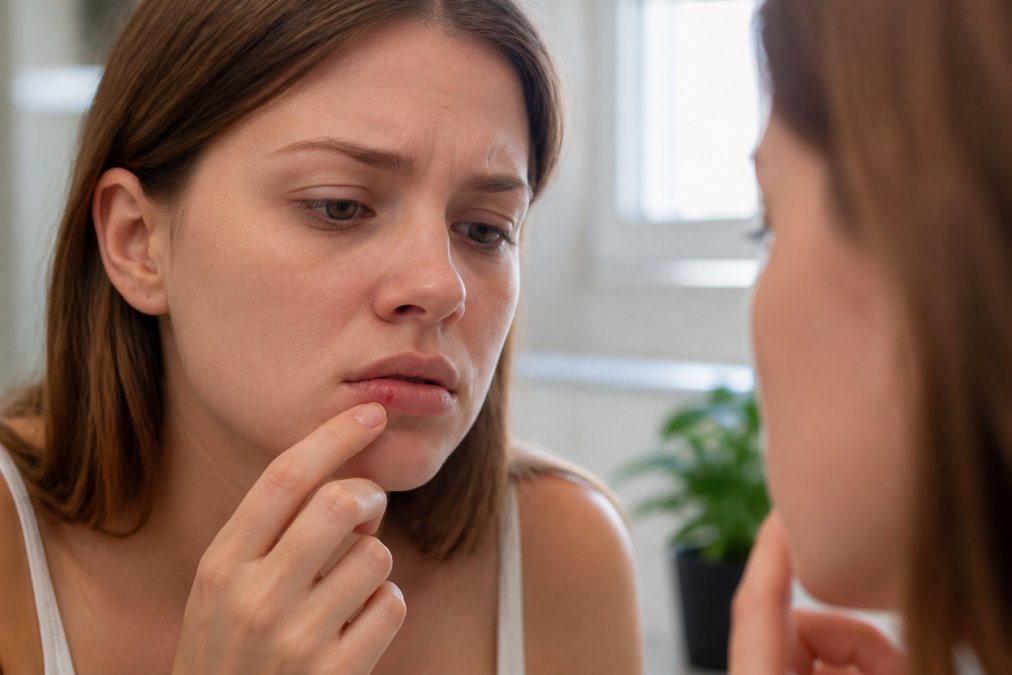
The Tingling and Burning Window
The tingling sensation is the single most reliable indicator that a cold sore is developing. You'll feel it on or around your lip, a localized, persistent prickling distinctly different from normal skin sensations. Some describe it as a mild electric shock; others say it feels like the area is waking from numbness.
This tingling typically lasts 6 to 24 hours before the first visible blister appears (peer-reviewed research). That window is your opportunity. Once you feel that tingling, you have a narrow but meaningful timeframe to apply fast-acting cold sore relief and potentially prevent the outbreak from progressing to the blistering stage.
Burning sensations often accompany the tingling. Your lip may feel unusually warm or tender to the touch, even though nothing visible has appeared yet. Some people also report slight itching. The key is recognizing that these sensations cluster together, it's not one symptom in isolation, but a combination that signals viral activity.
Other Warning Signs Before Blistering
Watch for swelling. Your lip may feel slightly puffy or thicker than normal, even if the swelling isn't visible to others. Redness can also appear during the prodromal stage, a faint pinkish tint that's easy to miss. Some people experience localized pain or tenderness when touched or while eating or drinking.
Recognizing your personal pattern matters. Cold sore outbreaks follow similar trajectories for each individual. If you've had cold sores before, you likely have a consistent set of warning signs. Pay attention to what your body tells you. The moment you recognize that familiar feeling, that's your signal to begin treatment immediately.
Stop Cold Sore Before Blister Forms: Immediate Action Steps
The moment you recognize prodromal symptoms, speed is everything. Applying treatment during the tingling stage can significantly reduce the severity of the outbreak and potentially stop the blister from forming altogether.
Your first step is to clean the area thoroughly. Wash your hands with soap and warm water, then gently clean the affected area on your lip using a clean tissue or soft cloth. This removes bacteria that could cause secondary infection and prepares the skin to absorb topical treatment.
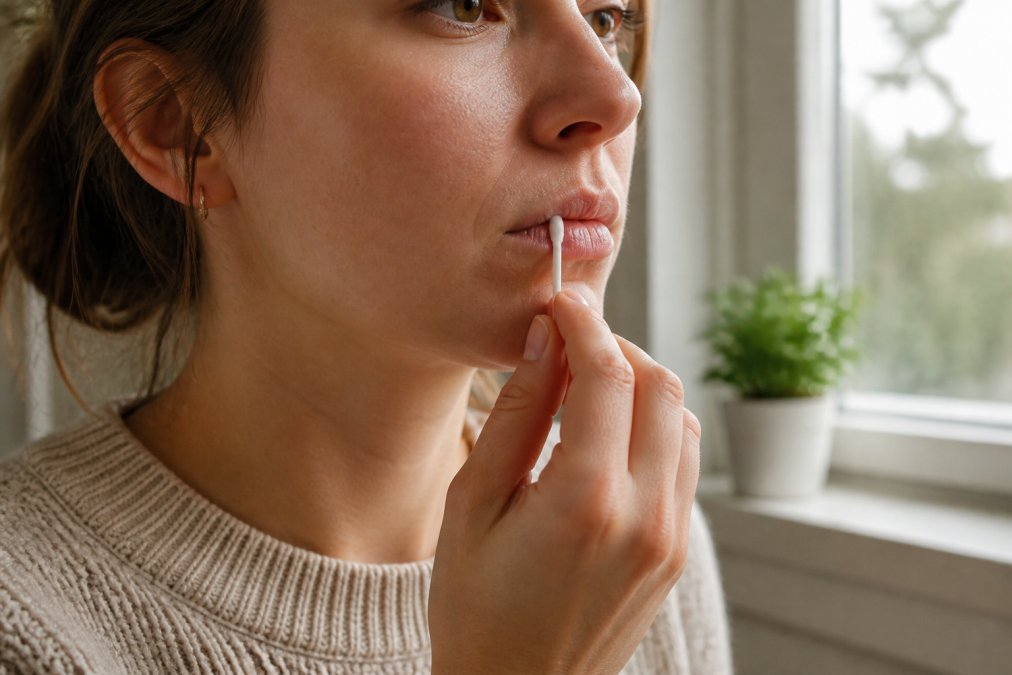
Apply Fast-Acting Cold Sore Relief at First Symptom
Fast-acting cold sore relief works best when applied during the prodromal stage. The sooner you apply treatment, the better your chances of preventing progression to the blistering phase. Look for topical creams that contain proven antiviral ingredients.
Apply the treatment directly to the affected area using a clean applicator. Most topical treatments should be applied every 2 to 3 hours during the prodromal stage and the first 24 hours of the outbreak (the FDA). Consistency matters, missing applications reduces effectiveness.
LipCur is designed specifically for this moment. Its fast-acting formula is engineered to work within the critical prodromal window, stopping outbreaks before they progress to visible blistering.
Not all topical treatments are created equal. Some products are designed to treat existing blisters. Others are formulated to intervene during the prodromal stage. Understanding the difference determines your results. Products designed for early-stage intervention deliver faster relief and better prevention outcomes.
Use Cold Compress and Ice to Reduce Swelling
Cold therapy reduces inflammation and can slow viral replication during the prodromal stage. Apply a cold compress or ice pack to the affected area for 10 to 15 minutes at a time, several times throughout the day. The cold constricts blood vessels, reducing swelling and numbing the area temporarily.
Wrap ice in a clean cloth before applying it to your lip. Never apply ice directly to skin, as this can cause ice burn. A cold compress made from a clean cloth soaked in cool water works equally well.
Alternate between cold therapy and topical treatment. Apply your cold sore relief, wait 10 minutes for it to absorb, then use a cold compress. This combination approach addresses both the viral component and the inflammatory response. Continue this pattern throughout the prodromal stage and the first 24 hours.
Maintain Strict Hygiene to Prevent Transmission
Cold sores are highly contagious during the prodromal stage, even before a visible blister appears. Viral shedding begins during the prodromal phase, meaning you can transmit the virus to others even when no blister is visible.
Avoid touching the affected area unnecessarily. If you must touch the area to apply treatment, wash your hands immediately afterward. Do not share personal items like toothbrushes, lip balm, utensils, cups, or towels. Avoid kissing or oral contact with others until the outbreak has completely healed.
Fast-Acting Cold Sore Relief: Why Early Treatment Matters
The timing of treatment determines the outcome. Research consistently shows that early application during the prodromal stage produces dramatically better results than waiting until a blister has formed. Once the blister stage begins, the virus has already established itself more deeply in the skin, making treatment less effective.
How Antiviral Treatments Work During the Prodromal Stage
Antiviral medications inhibit the enzyme that the herpes simplex virus uses to replicate. During the prodromal stage, viral replication is accelerating but hasn't reached peak intensity. This is when antiviral treatments have the most impact. They slow or stop replication before the virus can trigger the full inflammatory response that creates a visible blister.
The prodromal stage represents a narrow therapeutic window. The virus is present and active, but the skin barrier hasn't yet been breached by blister formation. Topical antivirals can penetrate the skin more effectively at this stage and reach viral particles before they've multiplied to overwhelming numbers.
A 12-hour delay between symptom onset and treatment application can mean the difference between preventing a blister entirely and developing a visible, painful lesion.
Topical Creams vs. Over-the-Counter Options
Topical antiviral creams are formulated to penetrate the skin and deliver active ingredients directly to the site of viral replication. Over-the-counter options vary widely in their formulation and effectiveness. Some are moisturizers with minimal antiviral activity. Others contain proven antiviral ingredients but in lower concentrations.
The difference lies in the formulation's penetration ability and ingredient concentration. A specialized topical treatment designed for early-stage intervention will outperform a generic lip balm. Look for products that explicitly state they're designed for the prodromal stage or early treatment.
LipCur represents the specialized approach to cold sore relief. Rather than offering a one-size-fits-all product, LipCur is engineered specifically to work during the prodromal window when intervention is most effective. The formula is designed to penetrate quickly, deliver antiviral action immediately, and prevent progression to the blistering stage.
Cold Sore Healing Timeline: What to Expect
Understanding the healing timeline helps you set realistic expectations and maintain treatment consistency. Cold sores follow a predictable progression.
Hours 1-6: Stopping Progression
The first six hours after applying treatment during the prodromal stage are critical. This is when early intervention has the highest likelihood of preventing blister formation. Continue applying your treatment every 2 to 3 hours and use cold compresses between applications.
Many people report that the tingling sensation begins to diminish within the first 6 hours when treatment is applied promptly during the prodromal stage. If a blister doesn't form within the first 6 hours, this is a positive sign that your early intervention is preventing progression.
Hours 6-24: Crusting and Repair
If a small blister has formed despite early treatment, it will typically begin crusting over within 6 to 24 hours. Crusting indicates that the outbreak has peaked and your immune system is beginning the healing process. The crust protects the underlying tissue as it repairs.
Continue applying your topical treatment during this phase. Keep the area clean and avoid picking at the crust, as this can delay healing and increase the risk of scarring or secondary infection. The burning and tingling sensations typically diminish during this phase.
Days 2-7: Complete Healing
By day 2, most cold sores have crusted over completely. Complete healing typically takes 7 to 10 days from the onset of the prodromal stage. However, when you intervene during the prodromal stage with fast-acting treatment, many people report complete healing within 3 to 5 days.
Continue applying your topical treatment through day 7, even as the crust diminishes. This supports the skin's repair process and prevents the virus from reactivating.
Preventing Cold Sore Outbreaks: Lifestyle and Stress Management
Cold sores don't appear randomly. They're triggered by specific factors that reactivate the dormant herpes simplex virus in your nerve cells. Understanding your triggers and managing them reduces outbreak frequency and severity.
Identify Your Triggers: Stress, Hormones, and Immune Factors
Stress is the most common trigger for cold sore outbreaks. When you're under physical or emotional stress, your immune system's resources are diverted to managing the stress response. Many people report that cold sores appear during high-stress periods, before important presentations, or during major life changes.
Hormonal fluctuations trigger outbreaks in many people. Women often notice cold sores appearing around their menstrual cycle. Illness and immune system compromise are significant triggers. When you have a cold, flu, or other infection, your immune system is occupied fighting that infection, allowing the herpes simplex virus to reactivate.
Keep a simple log of when outbreaks occur and what was happening in your life at that time. Within a few months, patterns will emerge. Understanding your specific triggers allows you to implement targeted prevention strategies.
Sun Protection and Nutritional Support
Ultraviolet (UV) radiation triggers cold sores in many people by causing local immune suppression on your lips. Use a lip balm with SPF 30 or higher whenever you're outdoors. Reapply every 2 hours and after eating or drinking.
Lysine is an amino acid that many people find helpful for cold sore prevention. Foods rich in lysine include poultry, fish, eggs, dairy products, and legumes. Zinc supports immune function and may reduce outbreak severity. Foods rich in zinc include oysters, beef, pumpkin seeds, and chickpeas.
Sleep quality directly affects immune function. Cold sores often appear during periods of sleep deprivation. Prioritize consistent sleep schedules and aim for 7 to 9 hours nightly. This simple step strengthens your immune system's ability to suppress viral replication.
Common Mistakes That Slow Healing
Many people delay treatment, waiting to see if the tingling goes away on its own. It won't. The prodromal stage progresses to blister formation within 24 to 48 hours if untreated. Waiting costs you the critical window when early intervention is most effective.
Others apply treatment inconsistently. Consistent application every 2 to 3 hours during the prodromal stage and first 24 hours is essential. Sporadic application allows the virus to continue replicating between treatments.
Touching the affected area frequently introduces bacteria and spreads the virus. Each touch transfers infectious viral particles to your hands, increasing transmission risk and introducing secondary bacterial infections.
Using old or expired treatment products reduces effectiveness. Antiviral ingredients degrade over time. Replace your cold sore treatment annually.
Picking at the crust or blister delays healing and increases scarring risk. Let the crust fall away naturally. Ignoring stress management allows the most common trigger to continue driving recurrent outbreaks. Stress reduction is as important as topical treatment for long-term prevention.
Recurrent cold sores create real friction in your life. They appear at the worst moments and are painful, visible, and contagious. But they're also preventable and treatable when you understand the prodromal stage and act decisively.
The difference between a cold sore that progresses to a painful, visible blister and one that's stopped before it starts comes down to early recognition and immediate action. LipCur is engineered for exactly this moment. Its fast-acting formula works within the critical prodromal window to stop outbreaks before blistering occurs, helping you heal within 24 hours and preventing the itching and tingling that defines these outbreaks. With a 120-day money-back guarantee, you can try LipCur risk-free and experience the confidence of a treatment that actually delivers. Shop LipCur now and stop cold sores before they start.

Frequently Asked Questions
Q: What are the earliest signs of a cold sore before a blister appears?
A: The prodromal stage occurs 24-48 hours before a blister forms. You may notice tingling, burning, or itching on the lip, sometimes accompanied by mild swelling or redness. Some people experience a localized numbness or sensitivity. Recognizing these early warning signs is critical because antiviral treatments are most effective during this window. Once you feel that first tingle, immediate application of fast-acting cold sore relief can prevent the outbreak from progressing to the painful blistering stage.
Q: Can you stop a cold sore once you feel the tingle?
A: Yes. The tingling stage is your best opportunity to stop a cold sore before it blisters. This is when the herpes simplex virus is beginning to replicate, but the lesion hasn't yet formed. Applying a fast-acting cold sore relief treatment immediately at the first sign of tingling can reduce or prevent blister formation entirely. Many people report that early intervention stops the outbreak completely or reduces it to a small, barely visible mark. Waiting until a blister appears makes treatment far less effective.
Q: How does early intervention with fast-acting relief help reduce healing time?
A: When you apply antiviral treatment during the prodromal stage, you're stopping viral replication before the lesion fully develops. This means less tissue damage, less inflammation, and faster healing. Many users experience visible improvement within 24 hours when treatment starts early. The healing timeline shortens because your immune system doesn't have to fight a fully developed blister. LipCur's formula is designed to work within this critical window, soothing irritation and promoting repair from the moment symptoms begin.
Q: What lifestyle changes help prevent cold sore outbreaks?
A: Stress management is one of the most effective prevention strategies, as stress suppresses immune function and triggers outbreaks. Adequate sleep, regular exercise, and relaxation techniques can reduce frequency. Sun exposure is a known trigger, so use lip balm with SPF protection outdoors. Nutritional support matters too: maintain adequate levels of lysine and avoid excess arginine (found in nuts, chocolate, and some grains), as arginine can trigger viral replication. Avoid touching your lips unnecessarily, and manage hormonal cycles if outbreaks coincide with menstruation. Consistent prevention reduces the need for treatment.
This article was written using GrandRanker