

Table of Contents
- How Cold Sore Cream Works on Your Skin
- When to Apply Cold Sore Cream for Best Results
- What You'll Need Before Starting Treatment
- Step-by-Step: Using Cold Sore Cream Effectively
- Best Over the Counter Medicine for Cold Sores
- How Long Do Cold Sores Last With Treatment
- Common Mistakes to Avoid
- When to See a Doctor
Last Updated: August 20, 2026
How Cold Sore Cream Works on Your Skin
Cold sore cream interrupts the herpes simplex virus's ability to replicate by targeting viral replication at the cellular level. The most common active ingredients, docosanol and acyclovir, work through different mechanisms. Docosanol blocks the virus from entering uninfected cells by interfering with the lipid envelope surrounding HSV-1 particles. Acyclovir inhibits viral DNA synthesis, starving the virus of the building blocks it needs to multiply. Both reduce outbreak duration and symptom severity, but timing matters enormously.

Cold sore cream doesn't kill the virus outright, it slows progression and gives your immune system time to mount an effective response. The cream begins working at the viral level within minutes of application, though you won't see dramatic visible changes in the first hour.
When to Apply Cold Sore Cream for Best Results
Cold sore cream works best during the prodromal stage, the 12-24 hour window when you feel tingling or itching but haven't developed a visible lesion. During this phase, the virus actively replicates beneath the skin's surface before breaching the skin barrier. Studies show that application during this window can reduce outbreak duration by 50% or more compared to starting treatment after the blister appears.
If you've missed the prodromal stage and a blister has formed, cold sore cream still helps by reducing healing time and preventing secondary bacterial infection, though its impact diminishes. Apply it every 2-3 hours as directed until the lesion crusts over, then continue for another day or two.
Most over-the-counter cold sore creams require application every 2-3 hours while awake. This consistent dosing maintains therapeutic levels of the antiviral ingredient on your skin. Set phone reminders if needed, consistency is what separates effective treatment from ineffective dabbing.
What You'll Need Before Starting Treatment
Gather these items before your outbreak progresses: your chosen antiviral cream, clean hands or cotton applicators, a clean towel, and optionally, lip balm without menthol or camphor. Having cream on hand before symptoms appear means you won't waste precious hours searching for treatment.
Clean hands or applicators matter significantly. Touching a cold sore with unwashed hands introduces bacteria that can cause secondary infection. Use a fresh cotton swab for each application rather than your fingertip to prevent cross-contamination.
A clean towel helps you dry the area before application. Moisture on the skin can dilute the cream and reduce its effectiveness. Avoid petroleum-based lip balms or heavy moisturizers during an active outbreak, as these can trap moisture and create an environment where the virus thrives.
Step-by-Step: Using Cold Sore Cream Effectively
Step 1: Recognize the Prodromal Stage
The prodromal stage is your early warning system. Most people experience distinct sensations 12-24 hours before a blister appears: tingling, itching, burning, or slight swelling around the lip area. This is the moment to start treatment.
If you don't experience a noticeable prodromal phase, begin treatment the moment you see any redness, swelling, or fluid-filled bump forming. Pay attention to your personal pattern so you can catch outbreaks faster.
Step 2: Clean and Dry the Area
Wash your hands thoroughly with soap and water before touching the affected area. Gently pat the area around your lip with a clean, dry cloth, don't rub. The area needs to be dry because moisture interferes with cream absorption.
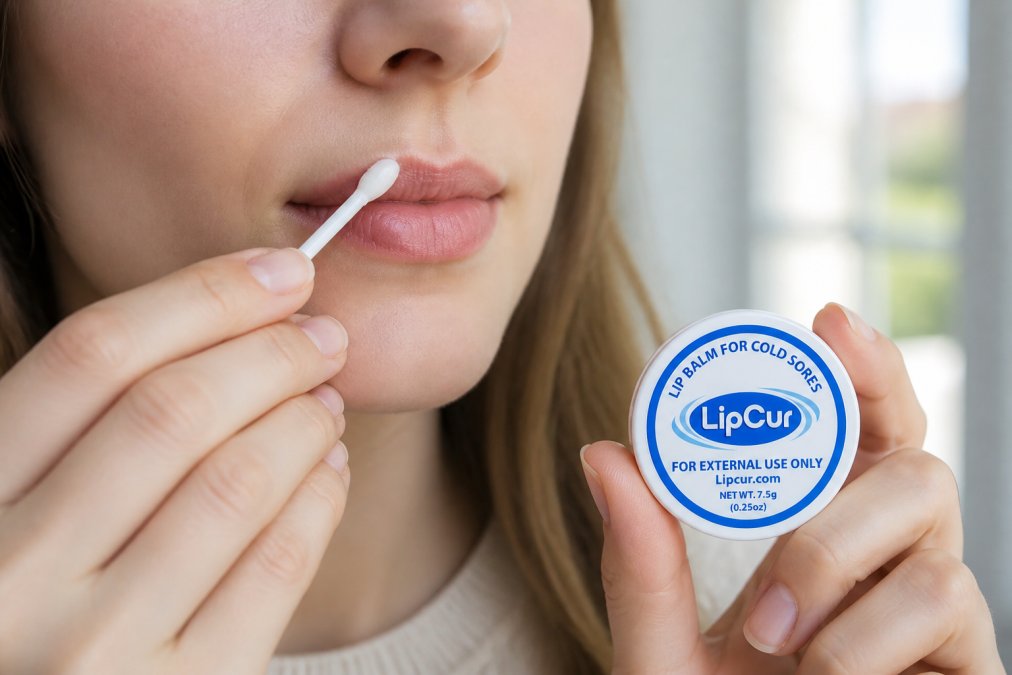
Step 3: Apply Your Chosen Treatment
Dispense a small amount of cream, roughly the size of a rice grain, onto your applicator or fingertip. Apply directly to the affected area, covering the tingling spot or visible lesion completely. Use gentle pressure, you're creating a protective coating, not working it deep into the skin. If using your fingertip, wash your hands immediately after to prevent spreading the virus.
Step 4: Follow Application Frequency Guidelines
Most over-the-counter cold sore creams require application every 2-3 hours while awake. Set phone reminders if needed. Continue this schedule for the first 3-5 days of your outbreak, or until the blister crusts over completely. Once crusting begins, reduce frequency to 3-4 times daily, but don't stop treatment entirely.
Best Over the Counter Medicine for Cold Sores
When shopping for cold sore treatment, you're choosing between two primary active ingredients: docosanol and acyclovir. Docosanol is available in many over-the-counter treatments and works by blocking the virus from entering healthy cells. Acyclovir is more powerful but typically requires a prescription in stronger formulations.
LipCur Cold Sore Relief is specifically formulated for rapid symptom relief and represents an excellent choice if you prioritize speed and effectiveness. It's designed to work within 24 hours, stopping outbreaks in their tracks and preventing the itching and tingling that makes cold sores uncomfortable. Other commonly available options include Abreva, Blistex, and generic docosanol products. The most important factor isn't the brand, it's starting treatment during the prodromal stage and maintaining consistent application.
How Long Do Cold Sores Last With Treatment
Without treatment, a cold sore typically lasts 7-10 days. With antiviral treatment started during the prodromal stage, you can compress this timeline significantly. If you begin cold sore cream during the tingling phase, many people see the blister either not form at all or form much more slowly and less severely, reducing outbreak duration to 3-5 days.
If you start treatment after the blister has formed, healing time typically reduces by 1-3 days. A blister that would normally take 7 days to heal might resolve in 5-6 days with consistent antiviral application. The crusting stage usually lasts 2-3 days. Once the blister dries and forms a crust, continue applying cream to prevent secondary infection and speed final healing.
Several factors influence healing time beyond cream application: your immune system's strength, outbreak severity, stress, hormonal changes, and sleep quality all play a role. LipCur Cold Sore Relief is designed to help you heal within 24 hours when applied at the very first sign of symptoms, though some outbreaks may take slightly longer depending on individual factors.
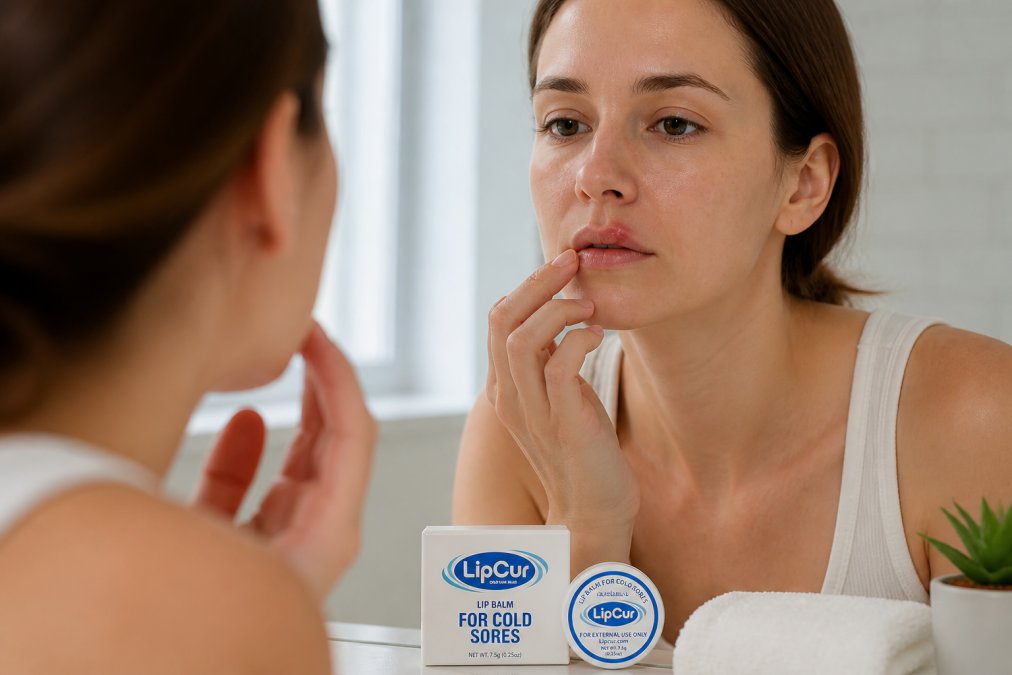
Common Mistakes to Avoid
The most common mistake is waiting too long to start treatment. Keep cold sore cream in your medicine cabinet so you have it immediately when tingling begins.
Another frequent error is inconsistent application. Cold sore cream requires multiple applications throughout the day to maintain therapeutic levels. Skipping doses undermines the entire treatment.
Always wash your hands before and after applying cream and use applicators instead of your fingertip when possible. Apply cream in a thin, even layer, excess cream doesn't improve results. Avoid covering a cold sore with makeup while it's still actively oozing, as this traps moisture and creates an environment where the virus thrives.
When to See a Doctor
Most cold sores resolve within 7-10 days, or faster with antiviral treatment. However, see a doctor if your outbreak is unusually severe, with blisters covering a large area or extending into your mouth.
If you experience frequent outbreaks, more than six per year, discuss this with your doctor. Recurrent cold sores can indicate a weakened immune system or benefit from preventive antiviral therapy. Contact a healthcare provider if you develop signs of secondary bacterial infection: increased warmth, spreading redness, pus, or worsening swelling after the blister stage.
If you have a compromised immune system due to HIV, chemotherapy, or immunosuppressive medications, any cold sore outbreak warrants medical attention. Pregnant women should consult their doctor about cold sore treatment options. If a cold sore persists beyond 14 days despite consistent treatment, see a doctor.
According to the American Academy of Dermatology, most cold sores are caused by herpes simplex virus type 1 and are contagious even when you don't see visible symptoms, underscoring why consistent treatment and hygiene practices matter throughout your outbreak.
Cold sore cream works best when you understand how to use it strategically. The window between first tingle and visible blister is when antiviral treatment delivers its most dramatic results, potentially preventing the blister from forming entirely or reducing healing time from 7-10 days to just 3-5. LipCur Cold Sore Relief is engineered to work within this critical window, delivering fast-acting relief that stops outbreaks in their tracks. When you feel that first tingle, reach for LipCur and apply it consistently throughout the day. You'll experience rapid healing and minimal discomfort, getting back to yourself faster than you thought possible.
Frequently Asked Questions
How quickly will cold sore cream work?
Cold sore cream begins reducing viral replication and symptoms within hours of application, but 'immediately' depends on the stage. Applied during the tingling or prodromal stage, antiviral creams like those containing docosanol can prevent a blister from forming or significantly reduce its severity. If applied after a blister has developed, the cream slows healing progression and reduces contagious viral shedding, though the lesion takes several days to crust and heal. Most users notice reduced pain and itching within 2-4 hours of starting treatment.
Does applying cream early prevent a cold sore from forming?
Yes, if you catch the tingling sensation and apply antiviral cream during the prodromal stage, you can often prevent the blister from developing or minimize its size. This early window, the first few hours when you feel the tingle, is when topical treatments are most effective at blocking viral replication. However, if you miss this window and the blister has already formed, the cream will still help reduce healing time and symptom severity. Starting treatment as soon as you feel any warning sign gives you the best chance of stopping the outbreak before it becomes visible.
What's the best over the counter medicine for cold sores if I've already developed a blister?
If a blister has already formed, look for over-the-counter treatments containing docosanol or acyclovir, which reduce healing time and viral shedding. LipCur Cold Sore Relief is formulated to work at any stage of the outbreak, providing fast-acting relief and helping you heal within 24 hours. Unlike general lip balms, prescription-strength alternatives like acyclovir offer stronger antiviral action, but over-the-counter options with docosanol deliver clinically proven results without a prescription. Apply your chosen treatment every 3-4 hours as directed on the label for best efficacy.
Can I use makeup or skincare products while treating a cold sore?
Avoid heavy makeup directly on the lesion, as it can trap moisture and slow healing or increase secondary infection risk. If you need coverage for work or social events, apply your cold sore cream first, let it dry completely, then use a concealer formulated for sensitive skin or a lip tint. Do not layer multiple products on the sore itself. After the blister stage passes and crusting begins, you can gradually reintroduce your regular skincare routine, but continue applying antiviral cream until the sore is fully healed. Always wash your hands before and after application to prevent spreading the virus.
This article was written using GrandRanker