

Table of Contents
- Recognize Cold Sore Prodromal Stage Symptoms Before the Blister Forms
- How to Stop Cold Sores in the Early Stages: Your First 24 Hours
- Best Over-the-Counter Cold Sore Treatment Options
- Cold Sore Triggers to Avoid and Manage
- How Long Do Cold Sores Last and What to Expect
- Prevention Strategies for Recurring Cold Sores
- When to See a Doctor or Dermatologist
- Conclusion
Last Updated: August 8, 2026
Recognize Cold Sore Prodromal Stage Symptoms Before the Blister Forms
The prodromal stage is your critical window to stop a cold sore before it becomes visible. This phase typically lasts 24-48 hours and begins when the herpes simplex virus reactivates in your nerve endings. Recognizing these early warning signs is the difference between catching an outbreak and watching it develop into a painful, noticeable blister.
The most common prodromal symptom is intense tingling on or around your lip. You might also notice itching, burning, slight numbness, subtle swelling, or warmth in the area. Other signals include mild pain when eating or drinking acidic foods, a pulling sensation in the lip area, faint red outlines forming, and heightened sensitivity to temperature changes.
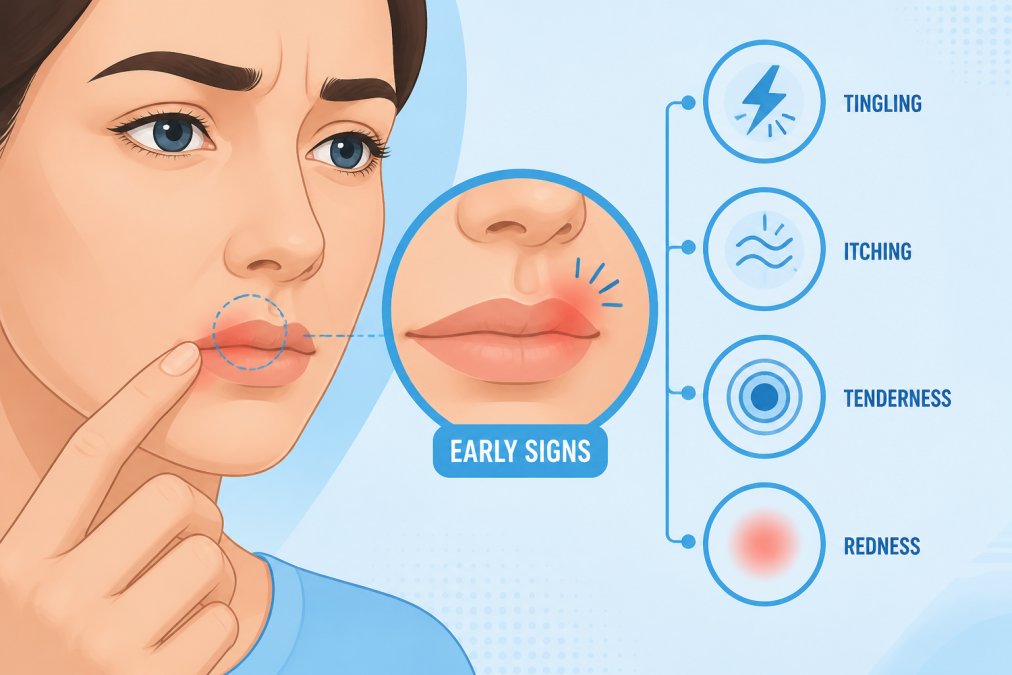
The key insight is timing. The moment you feel that first tingle, your immune system is responding to viral reactivation. This is when treatment is most effective. Waiting until you see a blister means you've already missed the optimal intervention window. At LipCur, we emphasize that early detection transforms outcomes, catching the prodromal stage can mean the difference between a minor inconvenience and a week-long visible sore.
Not everyone experiences the same prodromal symptoms. If you've had cold sores before, you likely recognize your personal pattern. Pay attention to what your body signals, that awareness becomes your early warning system.
How to Stop Cold Sores in the Early Stages: Your First 24 Hours
The first 24 hours after you notice prodromal symptoms are critical. This is when antiviral treatment delivers maximum impact, potentially stopping the outbreak before a blister forms or significantly reducing its severity and duration.
Apply Treatment Immediately When Tingling Begins
Start treatment the moment you feel that first tingling sensation. The faster you act, the more effective your intervention. Antiviral creams work by inhibiting viral replication at the cellular level, but they're most potent during the prodromal stage, before the virus has fully established itself in the skin.
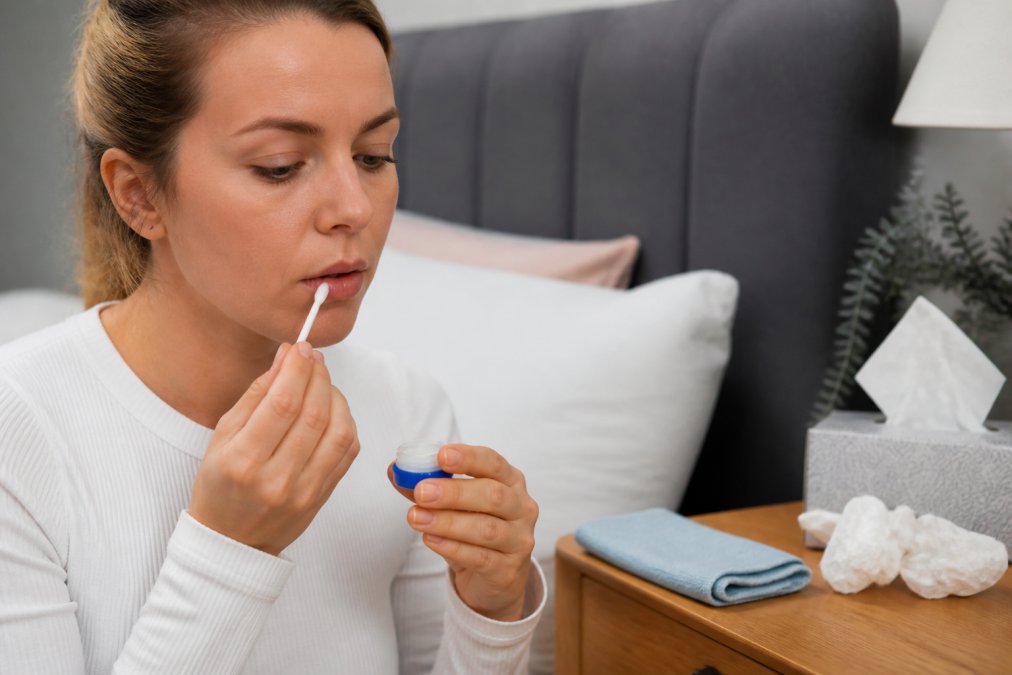
LipCur's fast-acting formula is designed to work within this critical window. Apply it directly to the affected area as soon as you notice symptoms. The gentle, soothing formula helps prevent itching and tingling from escalating while simultaneously repairing and protecting your skin barrier. Consistent application during the first 24 hours can help prevent the outbreak from becoming a visible blister.

Don't wait for confirmation that a sore is "really" developing. The prodromal stage IS the outbreak, it's just happening at the cellular level before visible damage appears.
Use Cold Compress and Pain Relief Methods
Alongside topical treatment, cold therapy reduces inflammation and numbs the area. Apply a cold compress, a clean ice pack wrapped in soft cloth, to the affected area for 10-15 minutes at a time, repeating every few hours during the first 24 hours. The cold constricts blood vessels, reducing swelling and slowing viral activity.
Never apply ice directly to your skin. Over-the-counter pain relievers like ibuprofen or acetaminophen can help manage discomfort, though prodromal symptoms are usually mild compared to active blister pain. Focus on topical treatment first, as it directly targets viral activity.
Keep the Area Clean and Protected
Maintain strict hygiene to prevent secondary bacterial infection. Wash your hands thoroughly before and after touching the area. Use a clean applicator each time you apply treatment, never use your fingers directly, as this spreads the virus and risks transmitting it to others.
Avoid touching your lips unnecessarily and never pick at or squeeze the area. Keep the area dry between applications. Avoid sharing personal items like lip balm, toothbrushes, or drinking glasses during this period. The herpes simplex virus spreads through direct contact and saliva, so you remain highly contagious even in early stages.
Best Over-the-Counter Cold Sore Treatment Options
When the prodromal stage hits, you need a treatment that works fast. The most common active ingredient in OTC cold sore treatments is docosanol, which blocks the virus from entering cells. However, LipCur offers fast-acting relief with a formula designed to stop itching and tingling while repairing your skin.
LipCur stands out because it combines fast-acting relief with skin-soothing ingredients. Many users report visible results within 24 hours when applied during the prodromal stage. Other common OTC treatments include generic lip balms with docosanol and topical numbing agents, but some may take longer to show results and don't specifically target early-stage viral activity.
When choosing a treatment, consider the active ingredient and whether the product includes skin-soothing components. A treatment that reduces inflammation while fighting the virus can be more effective than one addressing only one aspect of the outbreak. LipCur's specialized formula tackles both the viral component and the inflammatory response, making it particularly effective during the critical first 24 hours.
Cold Sore Triggers to Avoid and Manage
Understanding what triggers your outbreaks is essential for long-term prevention. Common triggers include stress, hormonal changes, sun exposure, weakened immune function, and certain foods.
Stress is one of the most powerful triggers. When your body experiences physical or emotional stress, your immune system becomes suppressed, allowing dormant virus to reactivate. Stress management through regular exercise, adequate sleep, and relaxation techniques can reduce outbreak frequency.
Hormonal changes trigger outbreaks in many people, particularly around menstrual cycles. If you notice a pattern of outbreaks at specific times of the month, tracking this information helps with prevention.
Sun exposure is a significant trigger for many people. UV radiation suppresses local immune function on your lips. Use a lip balm with SPF 30 or higher during outdoor activities. This simple preventive measure can substantially reduce outbreak frequency.
Certain foods may trigger outbreaks in susceptible people. Arginine-rich foods like nuts and chocolate can promote viral reactivation in some individuals. If you notice a pattern between specific foods and outbreaks, consider avoiding those triggers.
Weakened immune function from illness, insufficient sleep, or poor nutrition creates an environment where the virus reactivates more easily. Maintaining overall health through balanced nutrition, adequate sleep, and regular exercise provides your immune system with resources to keep the virus suppressed.
How Long Do Cold Sores Last and What to Expect
The typical cold sore timeline spans 7-10 days from prodromal symptoms through complete healing, though this varies based on when treatment begins and individual factors.
If you treat during the prodromal stage, the timeline compresses significantly. Many people using LipCur report that outbreaks never progress beyond minor visible symptoms, with complete healing within 24-48 hours. This dramatic difference is why early intervention is so important, you're essentially preventing the outbreak from developing rather than treating an established sore.
Without early treatment, the typical progression is: prodromal stage (1-2 days) → blister formation (1-2 days) → rupture and ulcer stage (2-3 days) → crusting (2-3 days) → complete healing (1-2 days).
Factors affecting healing time include your age, immune function, overall health, and whether you're using effective treatment. Younger people with strong immune systems often heal faster. Even after the visible sore heals, viral shedding can continue for a few more days, meaning you remain contagious. Continue practicing good hygiene for at least 24-48 hours after visible symptoms resolve.
Prevention Strategies for Recurring Cold Sores
If you experience frequent outbreaks, prevention becomes as important as treatment. A comprehensive prevention strategy addresses multiple factors simultaneously.
Maintain consistent immune support through adequate sleep (7-9 hours nightly), regular exercise (30 minutes most days), and balanced nutrition. Sleep deprivation can increase outbreak risk.
Stress management is critical for people with frequent outbreaks. Identify your personal stress triggers and develop coping strategies like meditation, yoga, or journaling.
If you experience sun-triggered outbreaks, make SPF protection a non-negotiable habit. Apply lip balm with SPF 30 or higher before any outdoor activity and reapply every two hours.
Track your outbreaks to identify patterns. Note the date, circumstances, potential triggers, and any prodromal symptoms. Over time, patterns emerge that help you predict and prevent future outbreaks.
Keep LipCur on hand at all times. Because the critical window for treatment is so narrow, having effective treatment immediately available means you can act the moment prodromal symptoms begin.
When to See a Doctor or Dermatologist
Most cold sores resolve without medical intervention, especially with early treatment. However, certain situations warrant professional evaluation. If you experience more than six outbreaks per year, a dermatologist can assess whether additional preventive measures are appropriate.
Seek medical attention if an outbreak doesn't follow the typical progression or healing timeline. If a sore doesn't begin crusting by day 5-6, spreads unusually rapidly, or shows signs of secondary bacterial infection, contact a healthcare provider.
If you have a weakened immune system due to illness, medication, or other conditions, consult your doctor about outbreak management. People with HIV, those taking immunosuppressive medications, or those undergoing chemotherapy may benefit from prescription antiviral medications.
If cold sores affect your eyes, a rare but serious complication, seek immediate medical attention. Pregnant individuals experiencing their first cold sore outbreak should consult their obstetrician.
| Situation | Recommended Action | When to Seek Care |
|---|---|---|
| Typical prodromal symptoms | Apply LipCur immediately; use cold compress | If symptoms don't resolve in 48 hours |
| More than 6 outbreaks yearly | Track triggers; optimize prevention strategies | Consult dermatologist for assessment |
| Outbreak with signs of infection | Continue topical treatment; monitor closely | If spreading or worsening after 48 hours |
| First outbreak or severe symptoms | Use OTC treatment; monitor progression | Immediately, for professional guidance |
| Outbreak during pregnancy | Use topical treatment; inform OB/GYN | At next appointment or if severe |
Cold sores don't have to derail your confidence or consume your week. The difference between a minor inconvenience and a major disruption comes down to recognizing prodromal symptoms and acting within that critical 24-hour window. LipCur's fast-acting formula is specifically designed to stop cold sores early, working within 24 hours to prevent outbreaks from becoming visible problems while soothing the uncomfortable tingling and itching that makes cold sores so frustrating. When you catch the prodromal stage and apply effective treatment immediately, you're not just treating a symptom, you're preventing the entire outbreak from developing. Shop LipCur Cold Sore Relief today and experience the confidence of a targeted treatment that delivers quick, effective results.
Frequently Asked Questions
What are the first signs of a cold sore forming?
The earliest warning signs appear during the prodromal stage, typically 24-48 hours before a blister forms. You'll feel a tingling, burning, or itching sensation on your lip, often in the exact spot where the sore will develop. Some people also experience mild swelling, numbness, or a slight redness. Catching these initial symptoms is critical because this is when early intervention works best. Once you feel that distinctive tingling, applying treatment immediately can significantly reduce the severity and duration of the outbreak.
Can I prevent a cold sore if I feel the tingling starting?
Yes, early intervention during the prodromal stage can help minimize the outbreak. If you apply a fast-acting antiviral treatment like LipCur Cold Sore Relief as soon as you feel tingling, you may prevent the blister from fully forming or significantly reduce its size and duration. The key is speed, treatment works best within the first few hours of symptom onset. However, results vary by individual and how quickly you respond. Starting treatment immediately gives you the best chance of stopping the sore before it becomes visible.
How long do cold sores typically last without treatment?
Without treatment, a typical cold sore outbreak lasts 7-10 days. The progression includes the prodromal stage (tingling), followed by the blister phase (3-4 days), then crusting and scabbing (2-3 days), and finally healing. With early intervention using over-the-counter antiviral treatments, you can reduce this timeline significantly. Fast-acting formulas applied during the prodromal stage may help you heal within 24-48 hours instead of a full week, which is why catching it early makes such a dramatic difference.
What should I do if I'm already in the middle of an outbreak?
If the blister has already formed, treatment is still beneficial but less effective than early intervention. Continue applying over-the-counter antiviral cream to reduce pain, prevent secondary infection, and support faster healing. Keep the area clean and dry, avoid touching or picking at the sore, and use a cold compress for pain relief. If the outbreak is severe, spreading rapidly, or accompanied by fever or swollen lymph nodes, contact a dermatologist. For future outbreaks, focus on recognizing the prodromal tingling stage so you can treat it before the blister develops.
This article was written using GrandRanker