

Table of Contents
- Understanding Recurring Cold Sores
- Cold Sore Triggers to Avoid
- Early Intervention: Catching the Prodromal Stage
- Antiviral Treatment Options for Cold Sores
- Suppressive Therapy for Cold Sores
- How Long Do Cold Sores Last and How to Speed Healing
- Managing Comfort and Preventing Secondary Infection
- Conclusion
Last Updated: August 16, 2026
Understanding Recurring Cold Sores
Recurring cold sores are painful blisters caused by the herpes simplex virus type 1 (HSV-1). Once contracted, the virus remains dormant in nerve tissue and reactivates multiple times throughout your life. Cold sores progress through distinct stages: prodromal (tingling and itching), blister formation, ulcer, and crusting/healing. Most people experience recurrent herpes labialis at varying frequencies, some get one outbreak yearly, others multiple times annually.
At LipCur, we understand how frustrating recurring outbreaks can be. The key to managing recurrent herpes labialis effectively lies in recognizing your personal triggers, catching the prodromal stage early, and using targeted antiviral treatment to stop the outbreak before it fully develops.
Cold Sore Triggers to Avoid
Identifying and avoiding your personal cold sore triggers is one of the most effective ways to reduce outbreak frequency. Common triggers include stress, sun exposure, hormonal changes, illness, and immune system suppression.

Stress is among the most significant triggers. When your body experiences physical or emotional stress, your immune system weakens, allowing dormant HSV-1 to reactivate. If you notice cold sores appearing during high-stress periods, stress management becomes critical for outbreak prevention.
UV exposure is another powerful trigger. Protecting your lips with sunscreen (SPF 30 or higher) during outdoor activities can significantly reduce sun-triggered outbreaks. Hormonal fluctuations, particularly during menstrual cycles, often coincide with flare-ups by weakening immune response in the oral area. Illness and fever also trigger reactivation, as any infection that suppresses your immune system creates an environment where the virus can emerge.
Early Intervention: Catching the Prodromal Stage
The prodromal stage is your window of opportunity to stop a cold sore outbreak before it becomes visible. This stage typically lasts 24-48 hours and is characterized by tingling, itching, burning, or numbness on the lip.
Catching the prodromal stage is critical because antiviral treatment is most effective when started before blister formation occurs. If you begin treatment during prodromal symptoms, you can often prevent the blister entirely or significantly reduce its size and severity. Once the blister has formed, treatment becomes less effective at shortening duration.
Learning your body's specific warning signs, where the sensation appears, what it feels like, and how long it lasts before a blister forms, allows you to act fast.
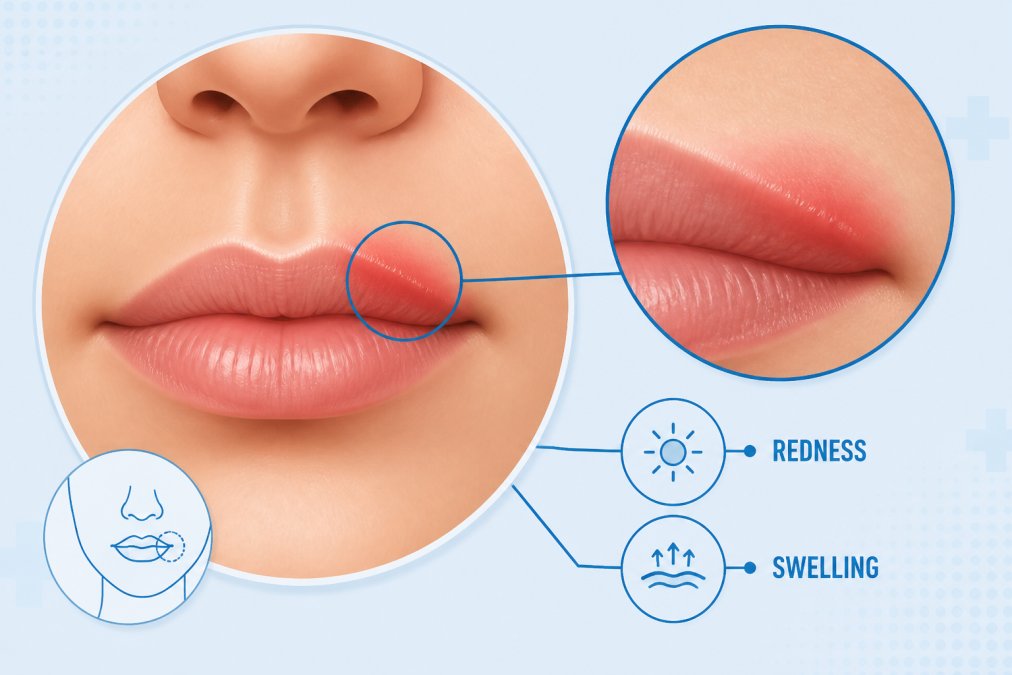
As soon as you feel prodromal symptoms, apply an antiviral treatment immediately. LipCur is specifically designed for fast-acting relief during this critical window, stopping outbreaks in their tracks when applied at the first sign of tingling.
Antiviral Treatment Options for Cold Sores
Antiviral medications are the most effective treatment for recurring cold sores, particularly when started early. These medications inhibit viral replication, slowing the virus's ability to spread to new cells. Common oral antivirals include acyclovir, valacyclovir, and famciclovir, all prescription medications requiring healthcare provider consultation.
Topical antiviral creams like penciclovir and docosanol are available over-the-counter but are generally less effective than oral antivirals because they don't penetrate deeply enough. However, topical treatments can provide comfort and symptom relief when applied consistently.
LipCur offers a specialized cold sore relief solution designed to work within 24 hours, combining fast-acting relief with gentle, soothing ingredients that repair and protect skin. At $24.95, LipCur provides an accessible option for rapid relief without requiring a prescription.
Consult with a healthcare provider about which antiviral approach best suits your outbreak pattern.
Suppressive Therapy for Cold Sores
For people experiencing frequent recurrent outbreaks, typically more than 6 per year, suppressive therapy may be worth discussing with a healthcare provider. This involves taking daily oral antiviral medication to reduce outbreak frequency and severity.
Daily suppressive therapy can reduce outbreak frequency by 70-80%, meaning someone experiencing 12 outbreaks yearly might reduce that to 2-3. Beyond reducing frequency, suppressive therapy also reduces viral shedding, the period when the virus is transmissible to others.
The decision to start suppressive therapy is personal and should involve healthcare provider consultation. Factors to consider include outbreak frequency, severity, emotional impact, and transmission risk concerns.
How Long Do Cold Sores Last and How to Speed Healing
The typical cold sore healing timeline spans 7-10 days from blister formation to complete healing, though this varies based on individual immune response, treatment timing, and outbreak severity.
The healing progression typically follows: prodromal stage (24-48 hours), blister formation (2-3 days), ulcer stage (2-3 days), and crusting/healing (3-5 days). To speed healing, start treatment as early as possible, ideally during the prodromal stage. Even if you begin treatment after blister formation, antivirals can reduce total healing time by 1-2 days.
Beyond medication, keep the area clean and dry, avoid touching or picking at the blister, and minimize irritation from spicy foods or acidic beverages. Some people find that applying ice during early stages reduces inflammation and discomfort.
LipCur's fast-acting formula is designed to help you heal within 24 hours when applied at the first sign of symptoms.
Managing Comfort and Preventing Secondary Infection
While your cold sore heals, managing discomfort and preventing secondary bacterial infection are essential priorities. Avoid triggers that increase discomfort: spicy foods, citrus fruits, tomato-based products, and hot beverages can irritate the sore. Soft, cool foods like ice cream, yogurt, or smoothies provide nutrition without irritation. Over-the-counter pain relievers like ibuprofen or acetaminophen can reduce discomfort when needed.
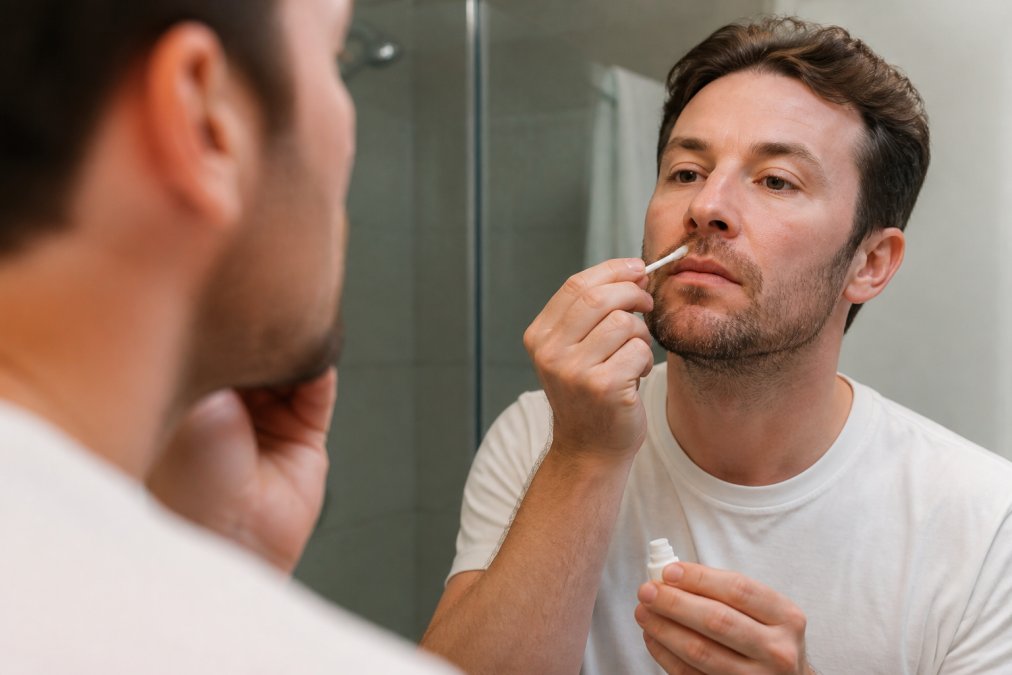
Prevent secondary bacterial infection by keeping the area clean, avoiding touching with unwashed hands, and not sharing personal items like lip balm, toothbrushes, or utensils. If you notice signs of infection, increased warmth, pus, or spreading redness, contact a healthcare provider promptly.
Choose lip balms carefully, looking for products without irritating ingredients. During the crusting stage, resist the urge to pick at crusts prematurely, as this can reopen the wound and increase scarring risk.
Conclusion
Treating recurring cold sores effectively requires a multi-faceted approach: identifying and avoiding your personal triggers, recognizing the prodromal stage early, and applying fast-acting antiviral treatment immediately. While cold sores are a chronic condition that can't be permanently cured, you have significant control over outbreak frequency, severity, and healing time through strategic prevention and rapid intervention.
For people seeking reliable relief from recurring outbreaks, LipCur provides a fast-acting, specialized solution designed to stop cold sores in their tracks and help you heal within 24 hours. With its gentle, soothing formula that repairs and protects skin while preventing uncomfortable itching and tingling, LipCur delivers quick, effective results that restore your confidence. Shop LipCur Cold Sore Relief today and experience the difference targeted treatment can make.
| Treatment Approach | Best For | Typical Duration |
|---|---|---|
| Early antiviral treatment | Prodromal stage intervention | 1-3 days to resolution |
| Topical over-the-counter products | Mild outbreaks, comfort management | 7-10 days healing time |
| Oral prescription antivirals | Severe or frequent outbreaks | 3-5 days healing time |
| Daily suppressive therapy | 6+ outbreaks per year | Reduces frequency 70-80% |
| LipCur Cold Sore Relief | Fast-acting relief, early intervention | Heals within 24 hours |
Common Questions About Treating Recurring Cold Sores
How is LipCur different from Abreva or other over-the-counter options?
LipCur is specifically formulated for fast-acting relief designed to stop outbreaks in their tracks. While standard over-the-counter treatments focus primarily on symptom management, LipCur's formula combines rapid relief with targeted skin repair and protection. The key difference lies in its ability to work within 24 hours when applied at the first sign of symptoms, helping prevent the uncomfortable itching and tingling that characterizes cold sore outbreaks.
Can LipCur prevent cold sores from becoming visible if I catch it during the prodromal stage?
Yes. When applied during the prodromal stage, that early tingling or itching sensation, LipCur's fast-acting formula can often stop the outbreak before a visible blister forms. The sooner you apply treatment after noticing prodromal symptoms, the more effective it will be at preventing full blister formation.
I get cold sores constantly due to stress and hormonal changes. Will LipCur prevent them from coming back?
LipCur is designed to treat active outbreaks and provide fast relief when applied at the first sign of symptoms. For people experiencing frequent outbreaks triggered by stress or hormonal changes, combining LipCur with trigger management strategies, stress reduction techniques, sun protection, and potentially daily suppressive therapy prescribed by a healthcare provider offers the most comprehensive approach to reducing outbreak frequency.
How quickly can I get LipCur if I order online during an active outbreak?
LipCur is available for immediate online ordering at Lipcur.com. For fastest results during an active outbreak, consider keeping a tube on hand during high-risk periods so you can apply treatment immediately when prodromal symptoms appear.
Does LipCur work if the cold sore is already fully developed, or do I have to catch it at the first tingle?
While LipCur is most effective when applied during the prodromal stage, it can still provide relief and support healing even if the blister has already formed. Starting treatment as early as possible produces the best results, but applying LipCur at any stage provides targeted symptom relief and supports the healing process.
External Sources for Cold Sore Information
For clinical guidance on cold sore management, consult resources from the American Academy of Dermatology, which provides evidence-based recommendations for treating herpes simplex virus infections. The National Institute of Allergy and Infectious Diseases (NIAID) offers comprehensive information about HSV-1 transmission, prevention, and treatment options. Additionally, the American Sexual Health Association provides patient education resources about managing recurrent outbreaks and reducing transmission risk.
Frequently Asked Questions
How do I stop recurring cold sores from coming back?
Stopping recurrent cold sores requires a two-part approach: avoid your personal triggers (stress, sun exposure, hormonal changes, fatigue) and use suppressive therapy if outbreaks happen frequently. Oral antivirals like acyclovir or valacyclovir taken daily can reduce outbreak frequency by 70-80% for people with multiple recurrences per year. Fast-acting topical treatments like LipCur Cold Sore Relief also help shorten healing time when used at the first sign of tingling. Consult a dermatologist to determine if daily suppressive therapy is right for your situation.
What causes cold sores to recur so frequently?
Recurring cold sores are caused by the herpes simplex virus type 1 (HSV-1) reactivating in nerve cells. Common triggers include emotional or physical stress, hormonal fluctuations during menstrual cycles, sun exposure, weakened immune function from illness or fatigue, and certain foods high in arginine. Some people's immune systems are more prone to HSV-1 reactivation than others. Identifying your personal triggers and minimizing exposure to them is the first step in reducing outbreak frequency.
Can I use fast-acting cold sore treatment in the middle of an outbreak, or only at the first tingle?
Fast-acting treatments work best when applied at the very first sign of tingling or itching (the prodromal stage), before the blister forms. However, they can still help reduce healing time and discomfort even after a blister has appeared. LipCur Cold Sore Relief is designed to work quickly at any stage, but starting treatment immediately when you feel that first tingle gives you the best chance of stopping the outbreak before it becomes visible.
How long do cold sores typically last, and what speeds up healing?
Without treatment, cold sores usually last 7-10 days from blister formation to complete healing. Antiviral medications and fast-acting topical treatments can reduce this timeline significantly. Starting treatment during the prodromal stage (tingling phase) may prevent the blister from forming at all. Once a blister has formed, prescription-strength oral antivirals like valacyclovir can shorten healing to 5-7 days, while fast-acting topical solutions may help visible healing within 24 hours when applied early.
What's the difference between treating cold sores and preventing them with suppressive therapy?
Treating cold sores means using antiviral medications or topical products to manage an active outbreak and speed healing. Suppressive therapy involves taking a low daily dose of oral antivirals (acyclovir, valacyclovir, or famciclovir) to prevent outbreaks from occurring in the first place. Suppressive therapy is typically recommended for people with 6 or more outbreaks per year, or those with severe psychological or professional impact from recurrent sores. Your doctor can help determine which approach is best for your situation.
Are there natural remedies that actually help with cold sores?
While natural remedies like ice, honey, and lysine supplements may provide comfort and mild symptom relief, antiviral medications remain the most effective treatment for shortening healing time and reducing viral shedding. Honey has some antimicrobial properties and may help with comfort, but it won't stop the virus. Lysine supplements may help some people reduce outbreak frequency, though results are mixed. For reliable, fast results, prescription antivirals or clinical-strength topical treatments like LipCur Cold Sore Relief are more dependable than natural remedies alone.
Should I see a doctor about my recurring cold sores?
Yes, if you experience more than 6 outbreaks per year, have severe symptoms, or outbreaks that interfere with work or social life, consult a dermatologist or primary care physician. They can confirm HSV-1 diagnosis, prescribe suppressive therapy if appropriate, and rule out other conditions that mimic cold sores. A healthcare provider can also recommend the best combination of preventive measures and treatment options tailored to your specific triggers and outbreak pattern.
This article was written using GrandRanker