

Table of Contents
- Why You Feel Cold Sore Tingling Before Anything Is Visible
- The Cold Sore Prodromal Stage: Your Window to Act Fast
- How to Stop Cold Sore Tingling: Step-by-Step Actions
- Over-the-Counter Cold Sore Medication: What the Labels Actually Mean
- How Long Do Cold Sores Last and What Speeds Up Healing
- Stress, Sleep, and the Psychological Side of Recurring Outbreaks
- Hygiene, Cross-Contamination, and Preventing Spread
- When to See a Doctor About Cold Sores
Last Updated: August 4, 2026
Why You Feel Cold Sore Tingling Before Anything Is Visible
Cold sore tingling is your nervous system sounding an alarm before the virus breaks the skin surface. The herpes simplex virus type 1 (HSV-1) lives dormant in nerve tissue near the base of your skull. When triggered, the virus travels down the nerve pathway toward the skin. The tingling sensation you feel is the virus moving through nerve fibers, not yet a visible lesion.
Acting within the first one to two hours of that sensation gives you the best chance of limiting outbreak severity. According to the American Academy of Dermatology's patient guidance on cold sores, early antiviral intervention during the prodromal stage is the most effective strategy for reducing outbreak severity. The viral load is lowest at the tingling stage and rises sharply once blister formation begins.
The Cold Sore Prodromal Stage: Your Window to Act Fast
The prodromal stage is the pre-blister phase of a cold sore outbreak, typically lasting 6 to 24 hours, during which the herpes simplex virus reactivates and travels to the skin surface. This is when treatment is most effective.
What Happens to Your Skin During the Prodromal Stage
Beneath the surface, the virus triggers an immune response. Blood flow increases to the area, causing mild inflammation and that characteristic tingling or itching sensation. Some people notice a tight or burning feeling, or slight swelling in the lip tissue. The skin is primed for blister formation but hasn't committed to it yet.
Viral shedding begins during this stage, meaning the virus can be transmitted to others even without a visible sore.
Triggers That Push HSV-1 Into an Active Outbreak
Several well-documented triggers push the virus into an active outbreak:
- Psychological stress (the most common trigger)
- Sun exposure and UV radiation on the lips
- Hormonal fluctuations, particularly around menstruation
- Fever or illness that suppresses immune function
- Physical fatigue and poor sleep
- Dental procedures or skin trauma near the lip area
- Acidic foods that irritate compromised skin
Identifying your personal triggers is part of long-term management.
How to Stop Cold Sore Tingling: Step-by-Step Actions
The moment you feel cold sore tingling, the clock starts.
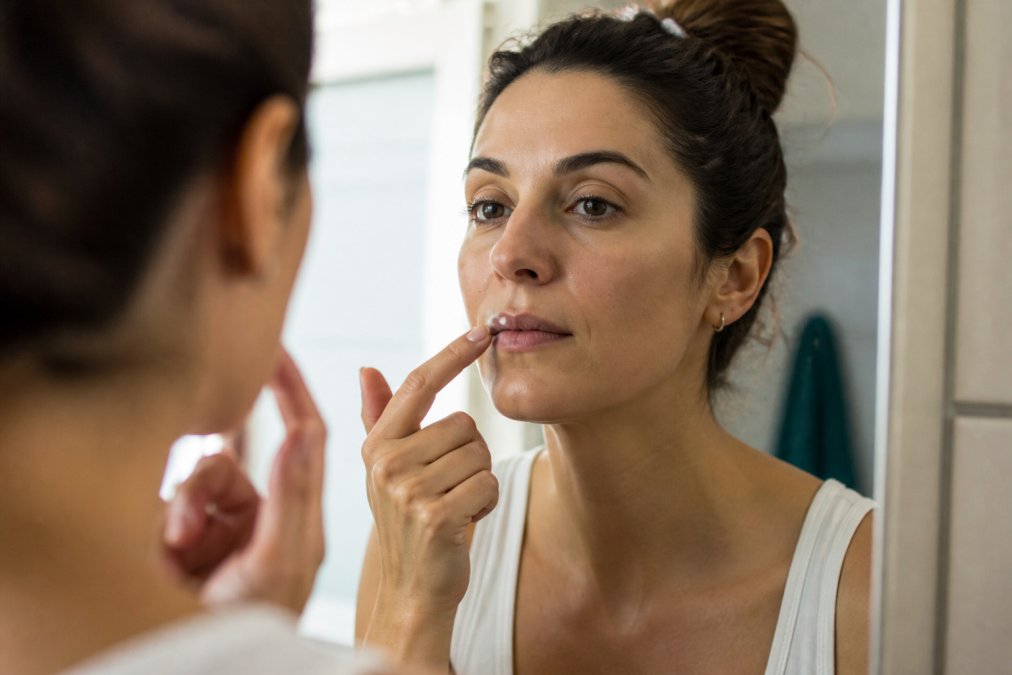
Step 1: Apply a Targeted Topical Treatment Immediately
Reach for your cold sore treatment the moment you feel the first tingle. Topical treatments work by creating a barrier, delivering active ingredients directly to the affected area, and slowing viral replication at the skin surface.
LipCur's fast-acting formula is designed specifically for this moment. Applied at the first sign of tingling, it works to stop the outbreak before it becomes visible. Verified buyer Carrie Clark noted: "My sore stayed small and was gone completely in two days. It never got itchy or tingly or anything."
Apply with a clean fingertip or cotton swab. Never apply with an unwashed hand, and don't double-dip the applicator after touching the lesion area.
Step 2: Use Cold Compress Therapy to Reduce Inflammation
A cold compress applied to the tingling area helps constrict blood vessels, reducing the inflammation that fuels blister formation. Wrap a few ice cubes in a clean cloth and hold it gently against the area for 10 to 15 minutes. Repeat every few hours during the prodromal stage.
Never apply ice directly to the skin, as direct contact can cause tissue damage.
Step 3: Manage Pain and Discomfort Early
Over-the-counter pain relief options can address discomfort during early-stage outbreaks. Oral analgesics like ibuprofen or acetaminophen help with both pain and inflammation. Topical numbing agents containing benzocaine offer localized relief, though they address symptoms rather than underlying viral activity.
Keep the skin moisturized to reduce cracking and secondary bacterial infection risk.
Step 4: Adjust Your Diet and Avoid Outbreak Triggers
Acidic foods (citrus, tomatoes, vinegar-based products) can irritate compromised skin. Foods high in arginine, an amino acid that supports HSV-1 replication, include chocolate, nuts, and some grains.
Lysine competes with arginine and is widely used as a dietary supplement during outbreaks. Foods naturally high in lysine include dairy products, eggs, and fish. Many people with recurring outbreaks find that increasing lysine intake during high-risk periods reduces outbreak frequency.
| Action | When to Do It | Primary Benefit |
|---|---|---|
| Apply topical treatment | First tingle, immediately | Slows viral replication at skin surface |
| Cold compress | Every 2-3 hours, prodromal stage | Reduces inflammation and blister formation |
| Oral pain relief | As needed for discomfort | Manages pain and systemic inflammation |
| Avoid acidic foods | During outbreak and recovery | Prevents skin irritation and worsening |
| Increase lysine intake | During high-risk periods | Competes with arginine to limit viral activity |
Over-the-Counter Cold Sore Medication: What the Labels Actually Mean
Most people grab the first product they see at the pharmacy without reading what's actually in it. Active ingredients vary significantly and don't all work the same way.
Docosanol vs. Zinc Oxide vs. Lysine: Breaking Down the Ingredients
Docosanol is an antiviral compound that prevents the herpes simplex virus from fusing with healthy skin cells. According to the U.S. Food and Drug Administration's OTC monograph guidance, docosanol at 10% concentration is the FDA-approved standard for topical cold sore treatment. It's most effective when applied during the prodromal stage.
Zinc oxide doesn't have direct antiviral properties but creates a protective barrier, reduces inflammation, and has mild antimicrobial properties that help prevent secondary bacterial infection. Zinc also supports immune function at the skin level.
Lysine in topical form is less studied than oral supplementation, but it appears in some creams as a skin-conditioning agent. The more established use is oral supplementation, where lysine competes with arginine for absorption.
A product combining supportive ingredients with a fast-acting delivery mechanism addresses more of the outbreak cascade than a single-ingredient product.
How Long Do Cold Sores Last and What Speeds Up Healing
Cold sores typically follow a 7 to 10 day cycle from first tingle to full healing when left untreated. Treatment started during the prodromal stage can meaningfully compress this timeline. According to the National Institute of Allergy and Infectious Diseases' HSV overview, antiviral treatment initiated at the earliest signs of outbreak is associated with shorter duration and reduced severity.
Several factors influence healing speed:
- Immune system status: A compromised immune system extends healing time
- Moisture management: Keeping the area moisturized prevents cracking and secondary infection
- Avoiding picking or touching: Mechanical disruption spreads the virus and delays healing
- Sun protection: UV exposure during healing can trigger a new outbreak cycle
- Consistent treatment: Applying topical treatments as directed throughout the healing process
Stress, Sleep, and the Psychological Side of Recurring Outbreaks
Recurring cold sore outbreaks have a psychological weight that clinical guides rarely address. Stress is one of the most reliable activators of HSV-1 reactivation. Psychological stress elevates cortisol, which suppresses immune surveillance. A suppressed immune system is less effective at keeping latent HSV-1 dormant.

What actually helps:
- Consistent sleep of seven to eight hours reduces cortisol and supports immune function
- Mindfulness-based stress reduction has documented effects on immune regulation
- Identifying and planning around high-stress periods lets you prepare with topical treatments before tingling begins
- Regular moderate exercise supports immune function
Hygiene, Cross-Contamination, and Preventing Spread
Cold sores are highly contagious from the moment viral shedding begins, which is during the prodromal stage, before any visible sore appears. HSV-1 transmits through direct skin-to-skin contact and through shared objects that contact the mouth area.
Practical hygiene steps during an active outbreak or suspected prodromal stage:
- Avoid kissing and oral contact until the sore has fully healed and crusted over
- Do not share lip balm, utensils, drinking glasses, or towels
- Wash hands thoroughly after touching the affected area
- Avoid touching your eyes after touching the sore. HSV-1 can cause ocular herpes, a serious complication
- Do not touch the sore and then touch another person's skin
If you wear contact lenses, remove and insert them with thoroughly washed hands, or switch to glasses until the outbreak resolves.
When to See a Doctor About Cold Sores
Most cold sore outbreaks resolve without medical intervention. A doctor visit becomes necessary in specific circumstances.
See a healthcare provider if:
- Outbreaks are frequent (more than six per year). Prescription oral antiviral medications can reduce outbreak frequency
- The sore is unusually large or painful, spreading beyond the lip area, or not healing within two weeks
- You have a compromised immune system from HIV, chemotherapy, organ transplant medications, or other conditions
- The outbreak affects the eye area. Ocular herpes requires prompt medical evaluation to prevent vision damage
- You develop fever, swollen lymph nodes, or systemic symptoms alongside a cold sore
- Over-the-counter treatments are consistently ineffective. Prescription antivirals like acyclovir and valacyclovir have stronger evidence for reducing outbreak duration and severity
According to the Centers for Disease Control and Prevention's HSV fact sheet, oral antiviral medications are the standard of care for frequent or severe HSV-1 outbreaks and are available by prescription from a licensed healthcare provider.
Frequently Asked Questions
Can you actually stop a cold sore at the tingle stage?
Yes, the prodromal stage is your best opportunity to limit an outbreak. The herpes simplex virus is beginning to replicate, but a blister has not formed yet. Applying a topical treatment with docosanol or zinc oxide the moment you feel that tingling sensation gives active ingredients the best chance to slow viral activity. Early intervention consistently produces smaller lesions and shorter healing times compared with treating an outbreak after blisters have already appeared.
How long does cold sore tingling last before a blister forms?
The tingling phase of the cold sore prodromal stage typically lasts between 6 and 48 hours before visible blister formation begins. The exact window varies based on your immune system response, stress levels, and how quickly you start treatment. Acting within the first few hours of that initial tingling sensation gives topical creams and antiviral medication the best chance to interrupt the outbreak cycle before the lesion becomes visible or contagious.
What is the best over-the-counter cold sore medication for early-stage symptoms?
The most clinically recognized over-the-counter cold sore medication ingredient is docosanol 10%, which the FDA has approved to shorten healing time. Zinc oxide products help reduce inflammation and protect the skin barrier. Lysine-based formulas are widely used for symptom management, though research on lysine is mixed. For the tingling stage specifically, look for a fast-absorbing topical cream that combines numbing agents for immediate pain relief with an active antiviral or barrier ingredient to address the underlying viral activity.
Are there natural remedies that help with cold sore tingling?
A cold compress applied to the tingling area can reduce inflammation and provide temporary numbing without any medication. Keeping the area moisturized prevents cracking. Reducing acidic foods during an outbreak may help limit irritation. Stress management, consistent sleep, and avoiding known personal triggers also support your immune system in keeping the herpes simplex virus dormant. These approaches work best alongside a targeted topical treatment rather than as a standalone strategy.
Recurring cold sore outbreaks are manageable, but the window for effective action is narrow. The tingling stage is where the outcome is decided. LipCur's fast-acting formula is built for exactly this moment: applied at the first sign of cold sore tingling, it works to stop outbreaks before they become visible, with a gentle formula that soothes and protects without irritating sensitive skin. Shop LipCur now and be ready the next time that tingle starts.
This article was written using GrandRanker