

Table of Contents
- Why People Search for Alternatives to Abreva
- How Cold Sore Treatments Work: Active Ingredients That Matter
- LipCur: Fast-Acting Relief Within 24 Hours
- Prescription vs. Over-the-Counter Cold Sore Options
- How to Speed Up Cold Sore Healing: L-Lysine and Other Strategies
- Cold Sore Treatment Duration: What to Expect and How to Reduce It
- Patch vs. Cream Delivery Systems: Which Works Faster
- When to See a Doctor: Recognizing Serious Symptoms
Last Updated: August 15, 2026
Why People Search for Alternatives to Abreva
When cold sores strike, speed matters. Many people reach for Abreva, but it's far from the only solution. The search for alternatives typically comes down to one core frustration: slow healing, limited symptom relief, or a formula that doesn't work for sensitive skin.
Cold sores are caused by the herpes simplex virus type 1 (HSV-1). The tingling stage, that prodromal phase when you first feel the virus activating, is your best window for intervention. Catch it early, and you can minimize severity.
At LipCur, we've analyzed what drives people to seek alternatives. Abreva contains docosanol, an active ingredient that can reduce healing time by roughly half a day when applied during the earliest stages. For some users, that marginal improvement isn't enough. Others experience irritation or find the cream's texture uncomfortable.
This guide covers the most practical alternatives to Abreva, including prescription options, over-the-counter competitors, and emerging treatments that take different approaches to cold sore relief.

How Cold Sore Treatments Work: Active Ingredients That Matter
Cold sore treatments fall into two broad categories: antivirals that slow viral replication, and symptom-management options that address pain and healing.
Antiviral treatments target the virus itself. Docosanol (found in Abreva) and acyclovir (available by prescription) both work by interfering with viral replication. Acyclovir is significantly more potent than docosanol, which is why prescription versions tend to deliver faster results.
Symptom-management treatments don't directly fight the virus but accelerate healing and reduce discomfort. Hydrocolloid patches create an optimal moisture environment for your skin's natural repair processes and provide a physical barrier against secondary infection.
The active ingredients you'll encounter across alternatives include:
- Docosanol: A long-chain alcohol that blocks viral fusion. It's the active ingredient in Abreva and is available without a prescription.
- Acyclovir: An antiviral nucleoside analog that's far more effective than docosanol but requires a prescription.
- L-lysine: An amino acid that may reduce outbreak frequency and severity when taken regularly.
- Hydrocolloid polymers: These absorb fluid and maintain a moist healing environment, accelerating the healing timeline.
- Analgesics and antihistamines: Ingredients like benzocaine and camphor reduce itching and pain but don't address viral replication directly.
If you want to stop a cold sore in its earliest stage, antivirals are your best bet. If you're already past that window, hydrocolloid patches or combination treatments often deliver better results than creams alone.
LipCur: Fast-Acting Relief Within 24 Hours
LipCur is designed specifically for people who want faster results than traditional over-the-counter options deliver. The formula combines a gentle, soothing base with active ingredients that work to stop outbreaks in their tracks and help you heal within 24 hours.
What sets LipCur apart is its focus on speed and skin protection. Rather than relying solely on a single active ingredient, the formula repairs and protects your skin while preventing the uncomfortable itching and tingling associated with cold sores.
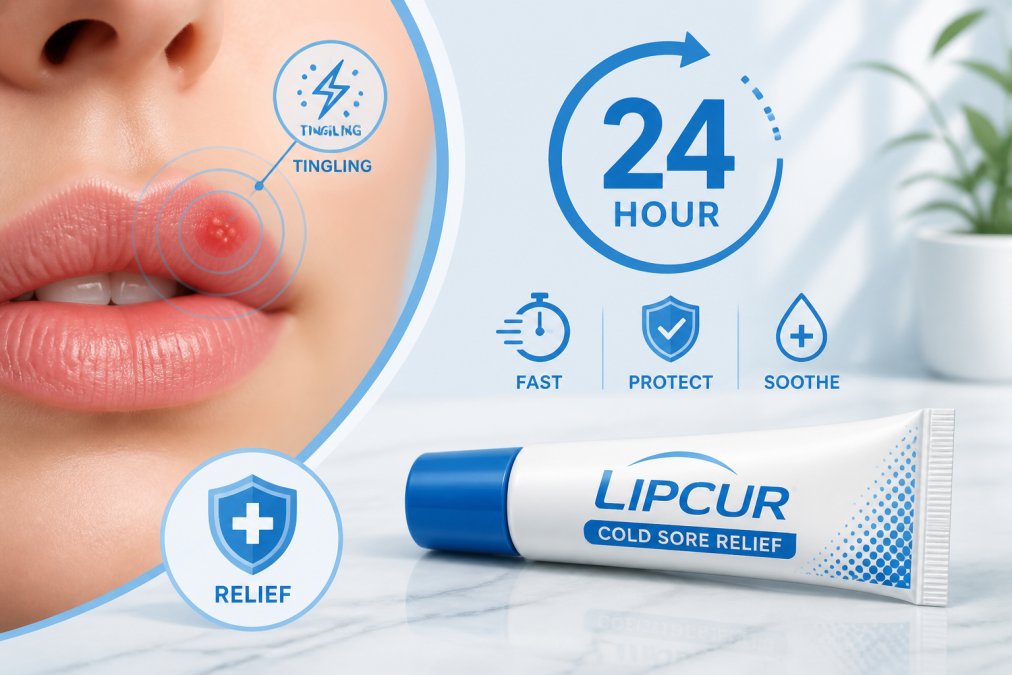
Many users report that LipCur works best when applied at the very first sign of tingling. One verified customer, Carrie Clark, shared: "I was skeptical when I got the sample but decided to give it a go. My sore stayed small and was gone completely in two days. It never got itchy or tingly or anything. Don't sleep on this, even if you're skeptical!" This experience aligns with what we know about early intervention: catching the outbreak before it fully develops dramatically improves outcomes.
The product is priced at $24.95, positioning it competitively against both generic alternatives and premium options. For people who experience frequent cold sores, having an effective treatment on hand is worth the investment.
Prescription vs. Over-the-Counter Cold Sore Options
The decision between prescription and over-the-counter treatments often comes down to severity, frequency, and access.
Over-the-counter antivirals like Abreva are accessible without a doctor's visit and cost between $8 and $15 per application. They work, but the effect is modest, roughly 0.5 to 1 day faster healing compared to doing nothing. The main limitation is that they require frequent reapplication and only work during the earliest stages.
Prescription antivirals are significantly more effective. Acyclovir cream requires a prescription but delivers faster healing, typically 3-4 days compared to 7-10 days without treatment. Oral acyclovir is even more effective, especially for people with frequent outbreaks. Some doctors prescribe it prophylactically during high-risk periods.
The trade-off is access and cost. Prescription options require a doctor's appointment or telemedicine consultation. However, if you get cold sores frequently, the investment is often worthwhile.
A middle ground exists: many alternatives like LipCur combine multiple approaches to deliver results closer to prescription strength without requiring a prescription. These options work best if you're willing to apply treatment consistently and catch the outbreak early.
How to Speed Up Cold Sore Healing: L-Lysine and Other Strategies
Direct treatment is only part of the equation. Several complementary strategies can accelerate healing and reduce outbreak frequency.
L-lysine supplementation may reduce viral replication when taken regularly, potentially decreasing outbreak frequency and severity. The evidence is mixed, but many people report success with consistent daily supplementation (typically 1,000-3,000 mg daily). The theory is that lysine competes with arginine for absorption, and higher lysine levels may inhibit HSV-1 replication.
Lifestyle triggers matter significantly. Stress, inadequate sleep, and hormonal changes are the three most common outbreak triggers. Managing these triggers becomes as important as treatment. Stress reduction, consistent sleep (7-9 hours nightly), and managing hormonal fluctuations can meaningfully reduce outbreak frequency.
Sun protection is often overlooked. UV exposure is a known trigger for cold sore reactivation. Using lip balm with SPF 30+ during outdoor activities can reduce outbreak frequency by 50% or more.
Topical application technique affects treatment effectiveness. Apply a visible layer of treatment and reapply every 2-3 hours during the first 24-48 hours. Consistency matters more than the specific product.
Cold Sore Treatment Duration: What to Expect and How to Reduce It
Without any treatment, a typical cold sore follows this progression: prodromal tingling (12-48 hours), blister formation (1-2 days), rupture and crusting (3-4 days), and final healing (3-7 days). Total duration is typically 7-10 days.
With treatment applied during the prodromal phase, you can potentially reduce this timeline by 2-3 days. With prescription antivirals, reduction can be even more dramatic, sometimes cutting healing time nearly in half.
Factors that extend healing time:
- Late intervention (applying treatment after the sore is fully formed)
- Infrequent reapplication
- Secondary infection
- Immunosuppression
- Nutritional deficiencies (particularly zinc and vitamin C)
Factors that accelerate healing:
- Early treatment during tingling stage
- Consistent reapplication every 2-3 hours
- Hydration and adequate sleep
- Stress management
- Topical hydrocolloid patches
- Oral antivirals for severe or frequent outbreaks
The most important factor is timing. A treatment applied at hour 4 of the prodromal phase is far more effective than the same treatment applied 12 hours later.
Patch vs. Cream Delivery Systems: Which Works Faster
The format you choose affects both effectiveness and user experience.
Hydrocolloid patches are adhesive strips that stick directly to the sore. They work by absorbing fluid, maintaining a moist healing environment, and creating a physical barrier against bacteria. The patch stays in place for 6-8 hours and can be worn throughout the day or overnight. Patches accelerate healing by 1-2 days on average and noticeably reduce pain and itching. The main limitation is that they're less effective during the prodromal phase because there's no visible sore to apply them to.
Topical creams like Abreva and LipCur are applied directly to the affected area and absorbed into the skin. They're most effective during the prodromal phase because you can apply them as soon as you feel tingling, before any visible sore develops. Creams require more frequent reapplication but offer the advantage of being able to start treatment immediately.
Combination approach: Many people use both. Apply cream during the prodromal phase and first 24 hours, then switch to patches once the sore becomes visible. This strategy combines the early-intervention benefits of creams with the accelerated healing benefits of patches.
When to See a Doctor: Recognizing Serious Symptoms
Most cold sores resolve without medical intervention, but certain situations warrant professional evaluation.
See a doctor if:
- The sore is accompanied by fever, swollen lymph nodes, or systemic symptoms
- The sore persists beyond 14 days despite treatment
- You experience severe pain that over-the-counter pain relief doesn't address
- The sore is near your eye (ocular herpes requires immediate medical attention)
- You're immunocompromised
- You develop signs of secondary bacterial infection
- You experience frequent outbreaks (more than 6 per year) that significantly impact your quality of life
When to seek urgent care:
- The sore spreads to other areas of your face or body
- You develop symptoms of meningitis
- You're pregnant and experiencing your first cold sore outbreak
For most people, over-the-counter or prescription topical treatments are sufficient. However, if you're experiencing frequent outbreaks or immunosuppression, your doctor may recommend oral antivirals taken prophylactically during high-risk periods.
Finding the right cold sore treatment often means moving beyond the first option you try. Whether you're frustrated with Abreva's slow results or looking for something more effective for your specific situation, alternatives exist across multiple categories, from prescription antivirals to innovative topical formulations to patches that work through entirely different mechanisms.
LipCur delivers fast-acting relief designed to stop outbreaks in their tracks and help you heal within 24 hours, with a gentle formula that repairs and protects your skin while preventing itching and tingling. With 5.0-star reviews from verified buyers and a track record of delivering results when applied early, it's a practical alternative worth considering. Shop LipCur Cold Sore Relief and experience the difference that targeted, fast-acting treatment can make.
Frequently Asked Questions
Is there anything that works better than Abreva?
Several alternatives deliver faster results than Abreva, depending on your needs. LipCur is clinically formulated to help heal cold sores within 24 hours and stops the tingling and itching that Abreva users often report still experiencing. Prescription antivirals like acyclovir work faster for severe outbreaks, but require a doctor's visit. The best choice depends on outbreak severity, timing of application, and whether you prefer topical cream or hydrocolloid patch delivery.
Does L-lysine work as well as Abreva for cold sores?
L-lysine for cold sores works differently than docosanol (Abreva's active ingredient). L-lysine is an amino acid that may reduce viral replication when taken as a supplement, but it requires consistent daily use and works best for prevention rather than acute symptom relief. Abreva and similar topical creams provide immediate analgesic and antiviral action at the site of the sore. For fastest healing during an active outbreak, topical antivirals are more effective than oral L-lysine alone.
What clears up a cold sore the fastest?
Prescription antivirals like acyclovir or valacyclovir clear cold sores fastest when applied early in the prodromal phase (tingling stage). Applied topically or orally, they can reduce healing time to 3-5 days. Over-the-counter alternatives like LipCur and docosanol creams typically heal sores within 24 hours when caught early. Hydrocolloid patches combined with topical antivirals also accelerate healing. Starting treatment during the tingling stage, before visible blistering, significantly improves outcomes regardless of which option you choose.
How much does cold sore treatment cost compared to Abreva?
Abreva typically costs $12-18 per tube at retail pharmacies. LipCur is priced at $24.95 per application, offering concentrated fast-acting relief designed for rapid healing. Generic docosanol creams cost $8-12 and match Abreva's efficacy. Prescription options like acyclovir are often $15-30 depending on insurance coverage. When calculating cost-per-application, LipCur's 24-hour healing window may deliver better value than repeated applications of slower-acting alternatives over several days.
Do I need a prescription for effective cold sore treatment?
No. Over-the-counter topical antivirals containing docosanol, analgesic creams, and hydrocolloid patches are effective and accessible without a prescription. LipCur is available without a prescription and is designed for fast symptom relief. Prescription options (acyclovir, valacyclovir) offer faster results for severe or frequent outbreaks, especially for immunocompromised individuals, but require a doctor's consultation. For mild to moderate outbreaks caught early, quality OTC alternatives typically provide adequate relief and healing.
This article was written using GrandRanker