

Table of Contents
- Understanding Cold Sore Recurrence
- Common Cold Sore Triggers and How to Manage Them
- Suppressive Antiviral Therapy for Long-Term Prevention
- L-Lysine for Cold Sores: Nutritional Supplementation
- Daily Prevention Strategies to Stop Outbreaks
- Early Intervention: Catching the Prodromal Stage
- When to See a Dermatologist
- Conclusion
Last Updated: August 12, 2026
Understanding Cold Sore Recurrence
Cold sores are caused by the herpes simplex virus type 1 (HSV-1), which remains dormant in nerve cells after your initial infection. Once infected, you carry the virus for life, but that doesn't mean you're destined for constant outbreaks. The difference between someone who gets cold sores once a year and someone who battles them monthly comes down to understanding and managing your personal triggers.
After your first cold sore heals, HSV-1 retreats into nerve tissue at the base of your spine, where it lies dormant until something reactivates it. Preventing cold sores from recurring isn't about eliminating the virus, it's about preventing the conditions that wake it up.
Most people can dramatically reduce outbreak frequency by identifying their specific triggers and taking targeted prevention steps. Some never experience a second outbreak; others go from monthly recurrences to one or two per year.
Common Cold Sore Triggers and How to Manage Them
Triggers are often interconnected: stress weakens immunity, illness triggers stress and fever, hormonal fluctuations affect immune function. Understanding your personal trigger profile is the first step toward meaningful prevention.
Stress, Hormonal Fluctuations, and Immune Suppression
Stress is the single most reported trigger for cold sore recurrence. When you're under psychological or physical stress, your body releases cortisol, which suppresses your immune system's ability to keep HSV-1 in check.
Hormonal fluctuations create similar conditions. Many people experience outbreaks tied to their menstrual cycle, particularly around menstruation when estrogen and progesterone levels shift. Pregnancy, hormonal birth control changes, and perimenopause can all trigger recurrent cold sores.
Immune suppression from any cause, stress, illness, or medical treatment, creates the ideal environment for viral reactivation. People undergoing chemotherapy, taking immunosuppressive medications, or dealing with HIV often experience more frequent outbreaks.
How to manage: Stress management is foundational for preventing cold sores from recurring. Regular sleep, exercise, and stress-reduction practices like meditation or yoga directly support immune function. If you notice hormonal patterns, mark outbreak dates on a calendar and plan preventive measures around high-risk times. For people on immunosuppressive medications, discuss outbreak patterns with your healthcare provider.
UV Radiation and Environmental Factors
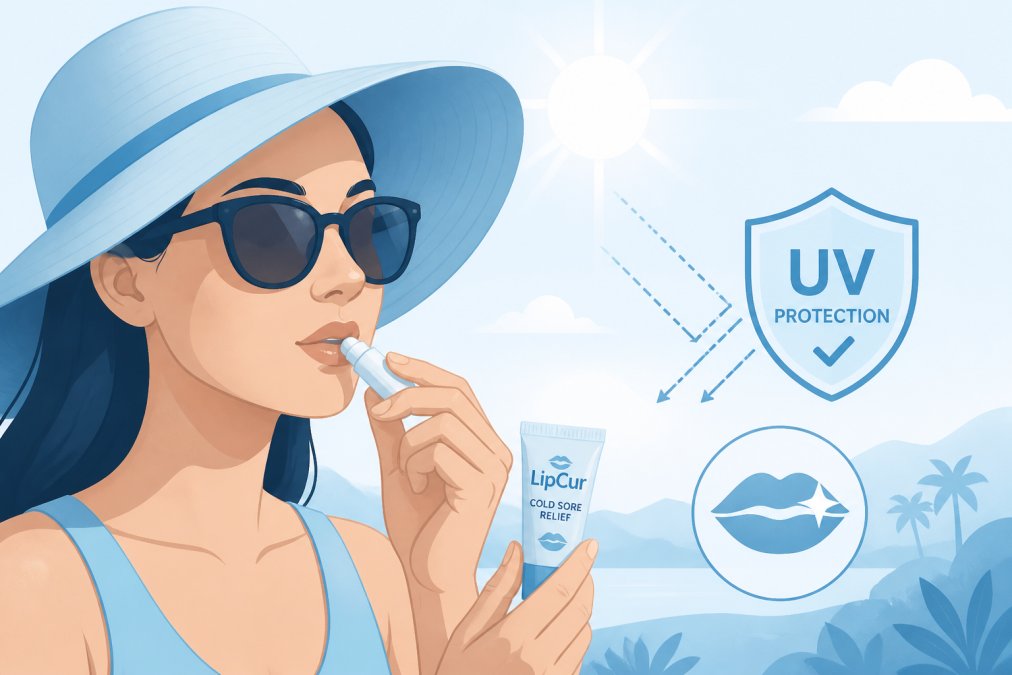
Sunburn on your lips triggers viral reactivation by directly stressing lip tissue and suppressing local immune function. This is why cold sores often appear after beach days, ski trips, or outdoor events.
Wind, cold temperatures, and dry air also irritate lip skin and can trigger outbreaks. The combination of winter weather and indoor heating creates an especially hostile environment for lip tissue.
How to manage: Use a broad-spectrum sunscreen (SPF 30 or higher) on your lips daily, especially during outdoor activities. Reapply after eating or drinking. In winter or windy conditions, use a protective lip balm. Keep lips moisturized; dry, cracked lips are more vulnerable to both environmental stress and viral triggers.
Fatigue and Illness
Fatigue and acute illness suppress immune function, creating an opening for HSV-1 to reactivate. Many people report cold sores appearing during or immediately after fighting off another illness.
Sleep deprivation is a particularly common trigger. Your immune system regenerates during sleep; when you're chronically sleep-deprived, your body can't maintain adequate viral suppression. Even one or two nights of poor sleep can trigger an outbreak in susceptible people.
How to manage: Prioritize sleep, especially during high-stress periods or when fighting illness. Aim for 7-9 hours nightly. If you notice outbreaks following specific illnesses, plan extra preventive measures during cold and flu season.
Suppressive Antiviral Therapy for Long-Term Prevention
For people experiencing frequent recurrences (six or more per year), suppressive antiviral therapy is a game-changer. Unlike treating an active outbreak, suppressive therapy uses daily medication to keep viral shedding below the threshold needed for reactivation.
The most common suppressive antivirals are valacyclovir and acyclovir. When taken daily, they reduce outbreak frequency by 70-80% in most people. Some people on suppressive therapy go months or years without a single outbreak.
Suppressive therapy is particularly valuable for people with more than six outbreaks annually, those with severe or disabling outbreaks, individuals with immunosuppression, and people in situations where outbreaks carry high social or professional consequences.
Suppressive therapy doesn't eliminate the virus, it prevents reactivation. You remain a carrier, though viral shedding is significantly reduced. The decision to start suppressive therapy should be made with your healthcare provider based on your outbreak frequency, severity, and impact on quality of life.
L-Lysine for Cold Sores: Nutritional Supplementation
L-lysine is an amino acid studied for cold sore prevention for decades. HSV-1 requires the amino acid arginine to replicate, and L-lysine competes with arginine for absorption. By increasing L-lysine intake relative to arginine, you theoretically suppress viral replication.
Research on L-lysine is mixed. Some studies show modest reduction in outbreak frequency and severity with daily supplementation (typically 1,000-3,000 mg daily), while others show minimal benefit. Many people report that L-lysine supplementation, combined with other prevention strategies, helps reduce outbreak frequency. L-lysine is low-risk and inexpensive, making it worth trying if you're managing recurrent cold sores.
How to use: If you want to try L-lysine, aim for 1,000-1,500 mg daily as a baseline, increasing to 3,000 mg during high-risk periods. Take it consistently for at least 3 months before assessing effectiveness. You can also increase dietary L-lysine through foods like chicken, turkey, eggs, cheese, and legumes.
Daily Prevention Strategies to Stop Outbreaks
Preventing cold sores from recurring requires consistency. The most effective approach combines multiple strategies targeting different aspects of prevention.
Sun Protection and Lip Care
Your lips are among the most exposed and vulnerable parts of your body. Daily lip protection is non-negotiable for preventing cold sores from recurring.
Use a lip balm with SPF 30 or higher as part of your morning routine. Reapply after meals, after swimming, and after any activity that removes the protective layer. Choose lip balms that provide moisture and barrier protection with ingredients like beeswax, shea butter, and ceramides. Avoid lip balms with irritating ingredients like menthol or camphor, which can trigger outbreaks in sensitive people.
Stress Management and Sleep Hygiene
Stress management is prevention. When you reduce chronic stress, you're directly supporting your immune system's ability to suppress HSV-1.
Effective stress management looks different for different people: exercise, meditation, yoga, journaling, or time in nature. The key is consistency. A regular practice will prevent outbreaks more effectively than sporadic efforts.
Sleep is equally critical. Your immune system consolidates and regenerates during sleep. Aim for 7-9 hours nightly. During high-stress periods, increase your stress management efforts, this is when outbreaks are most likely.
Hygiene Practices to Prevent Transmission
Avoid touching your lips and then touching other parts of your body or other people. Wash your hands frequently, especially before eating or touching your face. During an active outbreak, don't share utensils, cups, toothbrushes, or lip balm. Avoid kissing or oral sex until the sore is completely healed.
These practices prevent transmission to others and reduce the risk of secondary bacterial infection, which can complicate healing.
Early Intervention: Catching the Prodromal Stage
One of the most valuable prevention strategies is learning to recognize the prodromal stage, the early warning signs that an outbreak is starting. This stage typically lasts 12-48 hours before a visible sore appears.
Prodromal symptoms typically include tingling, itching, mild pain, or a burning sensation at the site where the sore will appear. Learning your personal prodromal pattern is crucial because this is when early intervention is most effective.
If you catch the outbreak during the prodromal stage and apply treatment immediately, you can often prevent the sore from becoming visible or significantly reduce its severity and duration. Keep your preferred treatment accessible at all times. During high-risk periods, be especially alert to prodromal symptoms.
When to See a Dermatologist
Most cold sores are straightforward to manage at home, but certain situations warrant professional evaluation. See a dermatologist if you experience more than six outbreaks per year despite prevention efforts, if outbreaks are severe or take longer than 10 days to heal, if sores appear in unusual locations, if you have signs of secondary bacterial infection, if you're immunocompromised, if you're considering suppressive antiviral therapy, or if outbreaks significantly impact your quality of life.
A dermatologist can confirm HSV-1 diagnosis, assess whether suppressive therapy is appropriate, and provide personalized prevention recommendations based on your specific trigger profile and medical history.
Conclusion
Preventing cold sores from recurring is achievable. Most people can significantly reduce outbreak frequency by identifying their personal triggers, implementing consistent prevention strategies, and treating early warning signs immediately. The combination of stress management, sun protection, sleep prioritization, and early intervention stops most recurrences before they become visible problems.
When prevention alone isn't enough, LipCur offers fast-acting relief designed to stop outbreaks in their tracks and help you heal within 24 hours. Our gentle, soothing formula prevents the uncomfortable itching and tingling associated with cold sores, giving you the confidence to move forward. Shop LipCur Cold Sore Relief today and experience how targeted treatment transforms your approach to cold sore management.

Frequently Asked Questions
Can I prevent cold sores from coming back completely?
Complete prevention isn't always possible since the herpes simplex virus (HSV-1) remains dormant in your nerve cells for life. However, you can significantly reduce how often outbreaks occur by managing triggers, using suppressive antiviral therapy, and maintaining strong immune function. Many people with recurring cold sores find that consistent prevention strategies reduce outbreak frequency by 50-80%.
How does L-lysine for cold sores actually work to prevent recurrence?
L-lysine is an amino acid that may help suppress HSV-1 reactivation by competing with arginine, another amino acid the virus needs to replicate. Some studies suggest daily L-lysine supplementation (1000-1500 mg) can reduce outbreak frequency and severity. Results vary by person, but many find it most effective when combined with other prevention strategies like stress management and sun protection.
What's the difference between treating an active cold sore and preventing future ones?
Treatment addresses an outbreak that's already started, reducing healing time and symptoms. Prevention works before an outbreak occurs by managing triggers, supporting your immune system, and using suppressive therapy when needed. LipCur provides fast-acting relief for active sores while you implement long-term prevention strategies. Catching the prodromal stage (tingling sensation) and applying treatment immediately can sometimes stop a full outbreak from developing.
If I have recurring cold sores triggered by stress or hormones, will prevention strategies actually help?
Yes, but you'll need a multi-layered approach. Stress-triggered cold sores respond well to stress management techniques, regular sleep, and immune support. Hormonal triggers may benefit from suppressive antiviral therapy during high-risk periods. Combining lifestyle changes with nutritional support (like L-lysine) and having fast-acting treatment like LipCur on hand for early-stage symptoms gives you the best chance at reducing recurrence.
This article was written using GrandRanker