

Table of Contents
- Quick Comparison: Best Over the Counter Medicine by Category
- Pain Relief and Fever Reducers: Acetaminophen vs. NSAIDs
- Allergy and Respiratory Relief: Antihistamines and Nasal Sprays
- Digestive Health Essentials: Antacids and Anti-Diarrheals
- Cold Sore Treatment: The Best Over the Counter Medicine for Outbreaks
- How to Read OTC Drug Labels Before You Buy
- When to See a Doctor for Symptoms Instead of Reaching for OTC Options
- Conclusion
Last Updated: August 5, 2026
Quick Comparison: Best Over the Counter Medicine by Category
Over the counter medicine covers an enormous range of products, and picking the wrong one wastes money and time while your symptoms drag on. At LipCur, we've reviewed the most common OTC categories Americans reach for, from pain relief to cold sore treatment, so you can make a confident, informed choice.
| Category | Top Pick | Active Ingredient | Best For | Duration |
|---|---|---|---|---|
| Pain / Fever (gentle) | Tylenol Extra Strength | Acetaminophen | Stomach-sensitive users, pregnancy | 4-6 hours |
| Pain / Inflammation | Advil | Ibuprofen | Muscle pain, menstrual cramps | 4-6 hours |
| Long-lasting Pain | Aleve | Naproxen Sodium | Arthritis, chronic back pain | Up to 12 hours |
| Allergy (oral) | Zyrtec | Cetirizine | 24-hour indoor/outdoor allergy | 24 hours |
| Allergy (nasal) | Flonase | Fluticasone Propionate | Nasal congestion, moderate-severe allergy | 24 hours |
| Digestive - Diarrhea | Imodium A-D | Loperamide | Acute diarrhea, traveler's diarrhea | As needed |
| Digestive - Multi | Pepto-Bismol | Bismuth Subsalicylate | Nausea, heartburn, diarrhea combo | As needed |
| Heartburn | Tums | Calcium Carbonate | Mild, occasional heartburn | 30-60 minutes |
| Cold Sore | LipCur | Specialized formula | Stopping outbreaks within 24 hours | Fast-acting |
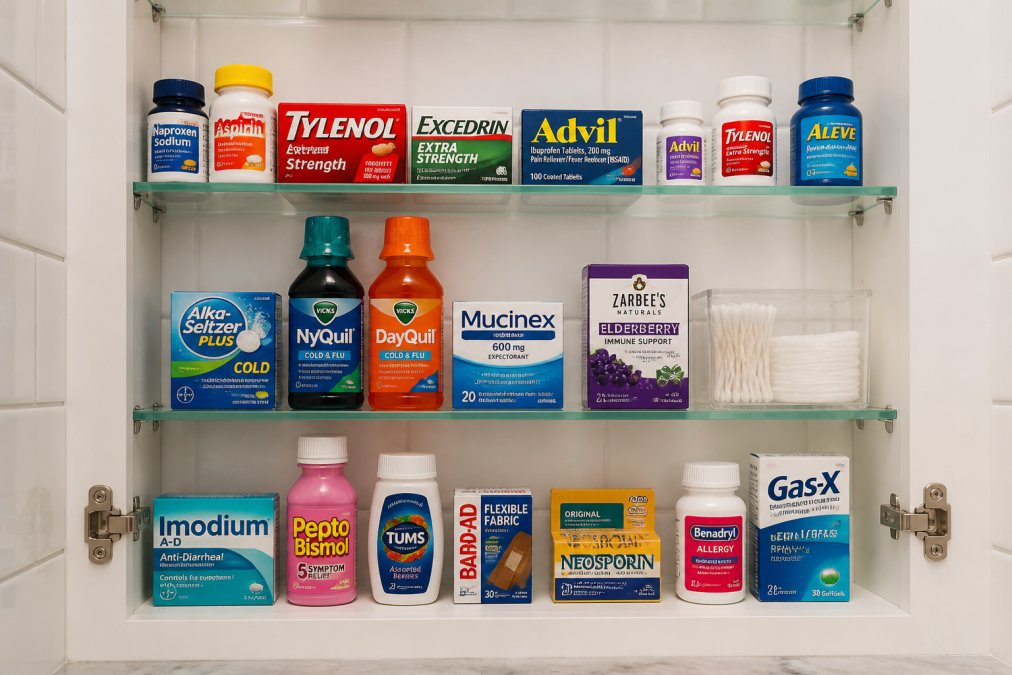
Most buyers default to a familiar brand name without checking whether the active ingredient targets their specific symptom. The sections below break each category down so you know exactly what you're buying and why it matters.
Pain Relief and Fever Reducers: Acetaminophen vs. NSAIDs
The most important decision in the pain relief aisle is whether you need an analgesic, an anti-inflammatory, or both. Acetaminophen blocks pain signals in the brain. NSAIDs like ibuprofen and naproxen sodium reduce prostaglandins that cause both pain and inflammation at the source. For pure headache or fever relief, acetaminophen is usually sufficient. For anything involving swelling, muscle injury, or joint pain, an NSAID does more work.
According to FDA guidance on OTC pain reliever safety, both carry risks when misused, and consumers should always read the active ingredient label before combining products.
Tylenol Extra Strength (Acetaminophen): Best for Stomach-Sensitive Users
Tylenol Extra Strength provides reliable pain relief without the gastrointestinal side effects that NSAIDs can cause. Each tablet contains acetaminophen as the sole active ingredient, which does not irritate the stomach lining.
Best for: Headaches, mild fever, toothaches, and anyone with a history of stomach ulcers or acid reflux. It is also considered safer during pregnancy than NSAIDs, though you should confirm this with your OB before using any medication.
Pros:
- Effective for mild to moderate pain
- Easier on the stomach than any NSAID
- Safe for most adults and children at appropriate dosing
Cons:
- Does not reduce inflammation
- Acetaminophen overload is a real risk; the daily maximum for healthy adults is 4,000 mg, and many people do not realize cold medicines and sleep aids also contain it
Advil (Ibuprofen): Best for Inflammation and Muscle Pain
Advil inhibits COX enzymes, reducing both pain and inflammatory response simultaneously. That dual action makes it significantly more effective than acetaminophen for muscle soreness, menstrual cramps, dental pain with swelling, and minor arthritis flares.
Best for: Inflammation-driven pain, post-workout soreness, menstrual cramps, back pain with stiffness.
Pros:
- Tackles both pain and inflammation in a single dose
- Works for a wider range of conditions than acetaminophen alone
Cons:
- Should not be taken on an empty stomach
- Not recommended for people with kidney disease or those taking blood thinners
- Do not combine with other NSAIDs
Aleve (Naproxen Sodium): Best for Long-Lasting Relief
Aleve's standout feature is duration. One tablet provides up to 12 hours of anti-inflammatory and analgesic coverage, compared to the 4-6 hours from ibuprofen. For people managing chronic pain or who cannot take a dose every few hours during a workday, that difference matters.
Best for: Arthritis, persistent back pain, sprains, and situations where you need extended coverage without frequent redosing.
Pros:
- Longest OTC pain relief duration available
- Strong anti-inflammatory properties comparable to ibuprofen
Cons:
- Not recommended for adults over 65 due to increased risk of ulcers and gastrointestinal bleeding
- All the same kidney and stomach precautions apply as other NSAIDs
- Do not take alongside ibuprofen or aspirin
Allergy and Respiratory Relief: Antihistamines and Nasal Sprays
Oral antihistamines work systemically to reduce sneezing, itching, and runny nose. Nasal corticosteroid sprays work locally in the nasal passages and are often more effective for congestion specifically. For moderate to severe seasonal allergies, using both together is a common pharmacist recommendation.
Zyrtec (Cetirizine): Best for 24-Hour Non-Drowsy Allergy Control
Zyrtec is a second-generation antihistamine that crosses the blood-brain barrier far less than older formulations. Most users experience minimal drowsiness, and the 24-hour dosing means one tablet handles a full day of symptom relief.
Best for: Indoor and outdoor allergies, pet dander, dust mites, pollen. Ideal for people who need to stay alert during the day.
Pros:
- Fast-acting and long-lasting
- Generally non-drowsy
Cons:
- Some users experience rebound symptoms if they stop taking it abruptly after extended use
Flonase (Fluticasone Propionate): Best for Nasal Congestion
Flonase is a corticosteroid nasal spray that targets allergic inflammatory substances in the nasal passages. Unlike oral antihistamines, it directly reduces mucosal swelling, which is why it outperforms pills for nasal congestion specifically.
Best for: Moderate to severe allergy symptoms, particularly significant nasal blockage that oral antihistamines do not fully resolve.
Pros:
- Comprehensive relief including congestion, sneezing, and itchy eyes
- Non-drowsy and available without a prescription
Cons:
- Takes several days of consistent use to reach full therapeutic effect
- Can cause mild nasal irritation or occasional nosebleeds
Digestive Health Essentials: Antacids and Anti-Diarrheals
Tums (Calcium Carbonate) neutralizes stomach acid quickly for mild, occasional heartburn, with relief typically within 30 to 60 minutes. For diarrhea, Imodium A-D (loperamide) works directly in the gut to slow intestinal contractions, allowing more fluid reabsorption. Pepto-Bismol (bismuth subsalicylate) addresses a broader range of symptoms, nausea, heartburn, indigestion, and diarrhea, making it more useful when you are unsure exactly what is wrong.
One important note: bismuth subsalicylate can interfere with iron absorption when taken regularly. Calcium carbonate in Tums can reduce the absorption of certain antibiotics and thyroid medications if taken simultaneously. The National Institutes of Health Office of Dietary Supplements maintains detailed guidance on supplement and drug interactions worth checking if you are on any regular medication.
Pediatric note: Imodium A-D is not recommended for children under 6 without a doctor's guidance. For younger children with diarrhea, oral rehydration is the first-line approach.
| Product | Active Ingredient | Best For | Key Limitation |
|---|---|---|---|
| Tums | Calcium Carbonate | Mild, occasional heartburn | Temporary relief only |
| Pepto-Bismol | Bismuth Subsalicylate | Multi-symptom digestive upset | May cause dark stool |
| Imodium A-D | Loperamide | Acute diarrhea, traveler's diarrhea | Not for children under 6 |
Cold Sore Treatment: The Best Over the Counter Medicine for Outbreaks
Cold sore treatment is where many over the counter medicines fall short. Standard topical products work on the surface, which is why many people feel like nothing actually speeds up healing. The real problem is timing and formula penetration: the herpes simplex virus replicates rapidly in the first 24 to 48 hours, and a treatment that only addresses the visible blister is already playing catch-up.
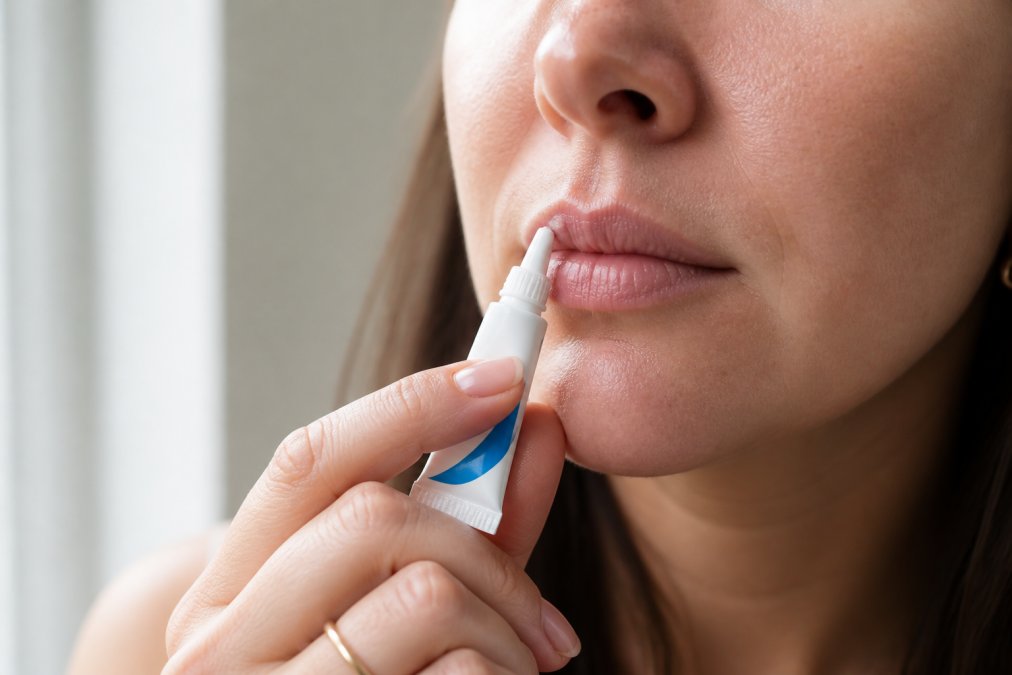
LipCur is our top pick for cold sore treatment. Its fast-acting, specialized formula is designed to stop outbreaks in their tracks, with a focus on early-stage symptoms, the tingling and itching that signal an outbreak is starting. The goal is to intervene before the sore becomes visible.
Key features:
- Stops cold sore outbreaks when applied at the first sign of tingling
- Works within 24 hours
- Gentle, soothing formula that repairs and protects the skin barrier
One verified buyer, Carrie Clark, described her experience: "My sore stayed small and was gone completely in two days. It never got itchy or tingly or anything." That kind of result reflects what early intervention with the right formula can do.
LipCur's formula targets the outbreak process itself, which is why it works best when applied at the first tingle rather than after the sore has fully formed.
LipCur is available without a prescription and can be ordered online. Visit Lipcur.com for current pricing and availability.
How to Read OTC Drug Labels Before You Buy
Reading OTC drug labels is the single most underused consumer skill in the pharmacy aisle. The FDA requires a standardized "Drug Facts" label on every non-prescription product sold in the US. According to FDA's guide to reading OTC drug labels, the label must list the active ingredient, purpose, uses, warnings, directions, and inactive ingredients in a consistent format.
Here is what to check, in order:
- Active ingredient and dosage, This is what actually does the work. Two products with different brand names may contain identical active ingredients at the same concentration.
- Purpose, A one-line description of what the active ingredient does (e.g., "analgesic," "antihistamine," "antacid").
- Uses, The specific symptoms the product is approved to treat. If your symptom is not listed, the product is not indicated for it.
- Warnings, Contraindications, drug interactions, and conditions that require a doctor's clearance before use.
- Directions, Dosage by age group, maximum daily dose, and frequency. Pediatric dosing is almost always lower than adult dosing.
- Expiration date, OTC medications degrade over time. Dispose of expired medications through an FDA-approved drug take-back program rather than flushing them.
Generic vs. Brand-Name OTC Drugs: What the Label Tells You
Generic OTC medications must contain the same active ingredient at the same concentration as their brand-name counterpart. The FDA requires bioequivalence for all approved generics, which means the therapeutic use and clinical efficacy are, by regulatory definition, identical.
Where generics sometimes differ: inactive ingredients, which can matter for people with specific allergies or sensitivities. If you react to a tablet coating or a flavoring agent, check the inactive ingredients list rather than assuming generics are interchangeable in every respect.
For most consumers, the cost-benefit analysis favors generics strongly.
When to See a Doctor for Symptoms Instead of Reaching for OTC Options
Knowing when to see a doctor is as important as knowing which product to buy. OTC medications manage acute symptoms effectively but are not substitutes for diagnosis or treatment of underlying conditions.
See a doctor rather than self-treating when:
- Fever exceeds 103°F in adults or any fever in infants under 3 months
- Symptoms persist beyond 10 days without improvement despite appropriate OTC treatment
- Pain is severe or worsening rather than stable and manageable
- You experience signs of an allergic reaction (hives, facial swelling, difficulty breathing) after taking any OTC product
- Diarrhea is accompanied by blood or lasts more than two days in adults
- Cold sores recur very frequently (more than 6 outbreaks per year); a doctor may prescribe antiviral therapy to reduce recurrence
- You are pregnant or nursing, as many OTC medications carry risks not always prominently labeled
- You are managing a chronic condition like kidney disease, liver disease, or heart disease; drug interactions are significantly more complex in these populations
The pharmacist is also an underused resource. A licensed pharmacist can review your full medication list for drug interactions, recommend the most appropriate OTC product for your symptom profile, and tell you when a prescription is genuinely necessary.
The best over the counter medicine for any situation depends on matching the active ingredient to the specific symptom, reading the label for contraindications, and knowing when self-treatment has limits. For cold sore sufferers specifically, generic drugstore options often deliver disappointing results because they target the wrong stage of the outbreak. LipCur's fast-acting formula stops outbreaks at the tingling stage, repairs the skin, and helps you heal within 24 hours, without a prescription. Shop Now at LipCur.com and experience the difference a targeted treatment makes.
Frequently Asked Questions
What is the strongest over the counter pain reliever available?
No single OTC analgesic is universally strongest because it depends on the type of pain. For inflammation-driven pain like muscle soreness or menstrual cramps, NSAIDs such as ibuprofen or naproxen sodium tend to outperform acetaminophen because they target the inflammatory response directly. For general pain and fever without inflammation, acetaminophen at its maximum recommended dose is highly effective. Always follow the dosage instructions on the label and consult a pharmacist if you are unsure which active ingredient suits your specific symptoms.
What are the most essential OTC medications to keep at home?
A well-stocked medicine cabinet typically includes a pain reliever and fever reducer (acetaminophen or an NSAID), an antihistamine for allergy and allergic reaction relief, an antacid for heartburn and indigestion, an anti-diarrheal, a topical treatment for skin issues like cold sores, and a sleep aid such as melatonin. Checking expiration dates regularly and replacing expired items keeps your supply safe and effective. Your pharmacist can recommend additions based on any recurring conditions you manage at home.
Can I take multiple over the counter medicines at the same time?
Combining OTC medications carries real drug interaction risks. The most common danger is accidentally doubling up on the same active ingredient, for example taking two products that both contain acetaminophen. NSAIDs should not be combined with each other. Always read every label for active ingredients before combining products, and ask a pharmacist before mixing categories such as a pain reliever with a cold and flu multi-symptom formula. Certain combinations can increase adverse reaction risk, including liver stress or gastrointestinal bleeding.
What is the difference between brand-name and generic OTC drugs?
Generic OTC medications contain the same active ingredient at the same dosage as their brand-name counterparts. The FDA requires generics to demonstrate equivalent clinical efficacy before approval. The main differences are inactive ingredients like fillers, binders, and flavorings, which rarely affect how the drug works but can matter for people with specific allergies or sensitivities. Generics typically cost less, making them a practical choice for most consumers. Check the Drug Facts label on both products side by side to confirm the active ingredient and dosage match.
How do I know which OTC medicine is right for my symptoms?
Start by identifying your primary symptom: pain, fever, inflammation, allergy, digestive upset, or a skin condition like a cold sore. Match the active ingredient to that symptom. An analgesic addresses pain; an anti-inflammatory addresses swelling and inflammation; an antihistamine targets allergic responses. If symptoms overlap, look for combination products but read the label carefully to avoid overdose risk. When symptoms are severe, persistent, or unfamiliar, a pharmacist or physician visit is the safer path before self-treating with any non-prescription medication.
This article was written using GrandRanker