

Table of Contents
- Why People Search for Abreva Alternatives
- Best Over the Counter Medicine for Cold Sores
- How Long Do Cold Sores Last With Treatment
- Prescription Antivirals vs. OTC Options
- Lysine for Cold Sores Effectiveness
- Catching Cold Sores Early: The Tingling Stage
- Cost-Benefit Analysis: What You're Actually Paying For
- What Makes an Abreva Alternative Actually Work Faster
- Frequently Asked Questions
Last Updated: September 1, 2026
Why People Search for Abreva Alternatives
When a cold sore strikes, most people reach for what's familiar. Abreva has dominated the market for years, but it's not the only option, and for many, it's not the fastest. An Abreva alternative for faster healing can make a real difference, especially if you're tired of waiting days for relief.
The truth is, not every cold sore treatment works the same way. Some focus on pain relief. Others target the viral replication itself. Some do both. At LipCur, we understand the frustration of watching a cold sore develop when you have important meetings, dates, or social events coming up. The standard options feel slow. They don't address the real problem: stopping the outbreak before it becomes visible.
Cold sores caused by herpes labialis (HSV-1) follow a predictable pattern. The tingling starts. Then the blister forms. Then comes the crusting and scabbing phase. Each stage lasts days. Most over-the-counter treatments slow the progression slightly, but they don't stop it. That's where alternatives matter. Some formulations work differently. Some hit the viral replication harder. Some soothe the inflammation faster. Understanding these differences is the first step to choosing something that actually works for your situation.
The question isn't whether alternatives exist. It's whether they deliver results that justify switching from what you already know.
Best Over the Counter Medicine for Cold Sores
The over-the-counter cold sore market breaks into distinct categories. Each addresses the outbreak differently. Understanding what separates them helps you pick the right one for your specific needs.
Docosanol: The Active Ingredient in Abreva
Docosanol is an antiviral compound that prevents the herpes virus from fusing with healthy skin cells. It works during the early stages of infection, before the blister fully forms. This is why timing matters so much with docosanol-based treatments.
Docosanol slows viral replication by blocking the fusion process that allows HSV-1 to penetrate cell membranes. Applied topically, it creates a protective barrier that interferes with the virus's ability to spread. The clinical evidence shows docosanol can reduce healing time by about one day when applied consistently during the prodromal phase (the tingling stage before visible symptoms) (peer-reviewed research).
The limitation is clear: docosanol works best when you catch the outbreak early. Once the blister has formed and the viral replication is already underway, docosanol becomes less effective. It's a prevention-focused treatment, not a treatment for an established sore.
Many people find docosanol underwhelming because they don't start using it until they see the blister. By then, the window for maximum effectiveness has closed. This is why alternatives that work at different stages of the outbreak cycle gain traction, they offer relief even if you miss the tingling stage.
Fast-Acting Alternatives to Abreva
Several alternatives approach cold sore treatment from different angles. Some combine antiviral action with analgesic (pain-relieving) properties. Others focus on soothing the inflammation and secondary infection risk.
LipCur is designed specifically to work within 24 hours. The formulation combines antiviral action with soothing agents that reduce the itching and tingling immediately. The fast-acting relief means you're not just waiting for the sore to heal, you're actively reducing symptoms while healing happens.
Other alternatives include products containing menthol for numbing effect, or those with lysine supplementation to support immune response. Some combine multiple active ingredients to address pain, inflammation, and viral progression simultaneously. The trade-off is that broad-spectrum formulations sometimes feel less specialized than single-ingredient treatments.
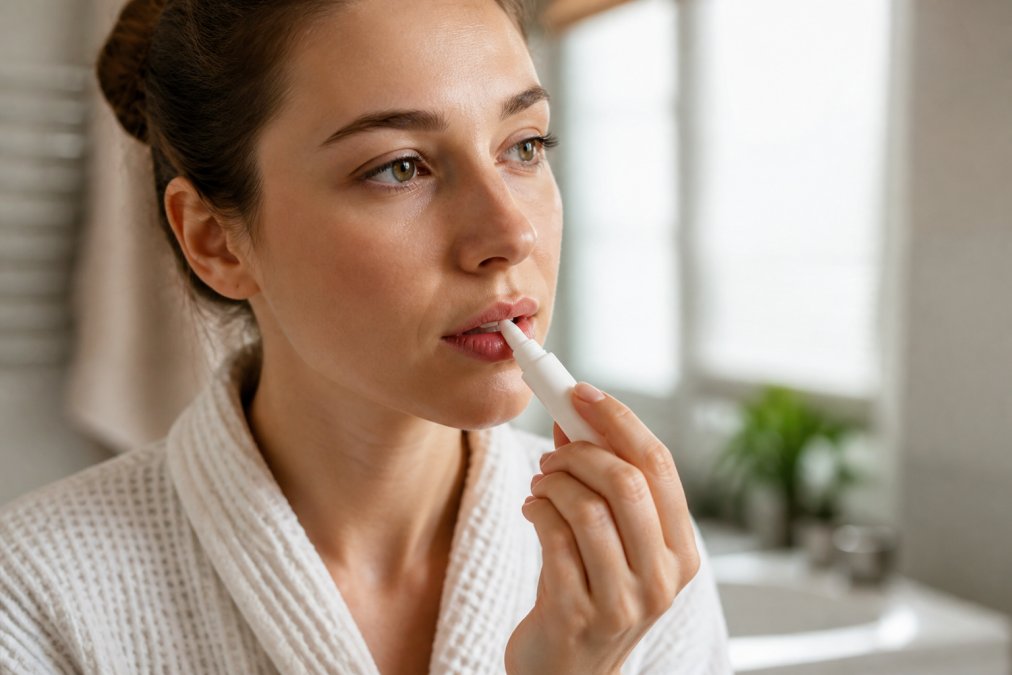
The real difference between treatments often comes down to what you prioritize. Speed of healing? Pain relief? Prevention of secondary infection? Cosmetic appearance during the outbreak? No single product dominates every category.
How Long Do Cold Sores Last With Treatment
Cold sore duration depends heavily on which stage you catch it and which treatment you use. Without any treatment, a typical outbreak lasts 7-10 days from the tingling stage through complete healing (the CDC). With treatment, you're looking at a different timeline.
Docosanol-based treatments typically reduce duration by one day if applied during the prodromal phase. That means 6-9 days instead of 7-10. Once the blister has formed, the reduction is minimal, maybe a few hours.
Antiviral prescription medications like acyclovir or valacyclovir work more aggressively. They reduce healing time by 2-3 days when taken orally, bringing a typical outbreak down to 4-7 days (peer-reviewed research). The catch is you need a prescription, and you need to start treatment within 24 hours of symptom onset.
LipCur is formulated to deliver results within 24 hours for symptom relief, with many users reporting the sore staying small and healing quickly without the progression to severe blister formation. The key is early application, starting at the tingling stage gives the treatment maximum opportunity to interrupt the outbreak cycle.
The variable that matters most is timing. Catch it at the tingling stage, and any treatment works better. Miss that window and you're managing an established sore rather than preventing one.
Prescription Antivirals vs. OTC Options
This comparison matters because the choice between prescription and over-the-counter involves trade-offs that aren't always obvious.
Prescription antivirals like acyclovir, valacyclovir, and famciclovir are more potent than anything available over the counter. They directly inhibit viral DNA replication with clinical efficacy that's well-documented. The downside: you need to see a doctor, get a prescription, and start treatment quickly. For someone in the middle of an outbreak without advance notice, that's not practical.
Over-the-counter options are immediately accessible. You don't need a prescription. You can start treatment the moment you feel the tingling. The trade-off is lower potency. Docosanol works, but it's gentler than prescription-strength antivirals. It's designed for prevention and early-stage intervention, not aggressive viral suppression.
Here's what most guides miss: the best choice depends on your outbreak pattern. If you get cold sores frequently and can recognize the early signs, an OTC treatment you can apply immediately often beats waiting for a prescription. If your outbreaks are rare and severe, the prescription option might justify the delay in getting the medication.
For people who want prescription-strength results without the prescription process, this matters.
Lysine for Cold Sores Effectiveness
Lysine is an amino acid that supports immune function and may help reduce cold sore frequency and severity. The mechanism is clear: lysine inhibits arginine, an amino acid that HSV-1 requires to replicate. By increasing lysine intake, you theoretically reduce the virus's ability to spread.
The clinical evidence is mixed. Some studies show lysine supplementation reduces outbreak frequency and healing time. Others show minimal effect. The inconsistency likely comes down to dosage, timing, and individual variation in how well the body absorbs and utilizes supplemental lysine.
What works better is combining lysine with topical treatment. Taking lysine supplements while applying an antiviral topical treatment addresses the outbreak from two angles, systemic support through supplementation and local viral suppression through the topical application.
Many people find lysine most useful as a preventive measure during high-stress periods or hormonal fluctuations that typically trigger outbreaks. Taking 1000-3000 mg daily during vulnerable times may reduce outbreak frequency. Once an outbreak has started, topical treatment becomes more important than oral supplementation.
The takeaway: lysine is a useful supporting measure, not a primary treatment. It works best as part of a broader approach that includes topical antiviral application.
Catching Cold Sores Early: The Tingling Stage
The prodromal phase, that tingling, itching sensation before any visible symptoms appear, is the golden window for treatment. This is when intervention works best and the outcome improves most dramatically.
During the tingling stage, the virus is replicating but hasn't yet caused visible tissue damage. Your immune response is ramping up, which is why you feel the sensation. This is the moment when antiviral treatment can actually prevent or significantly reduce blister formation.
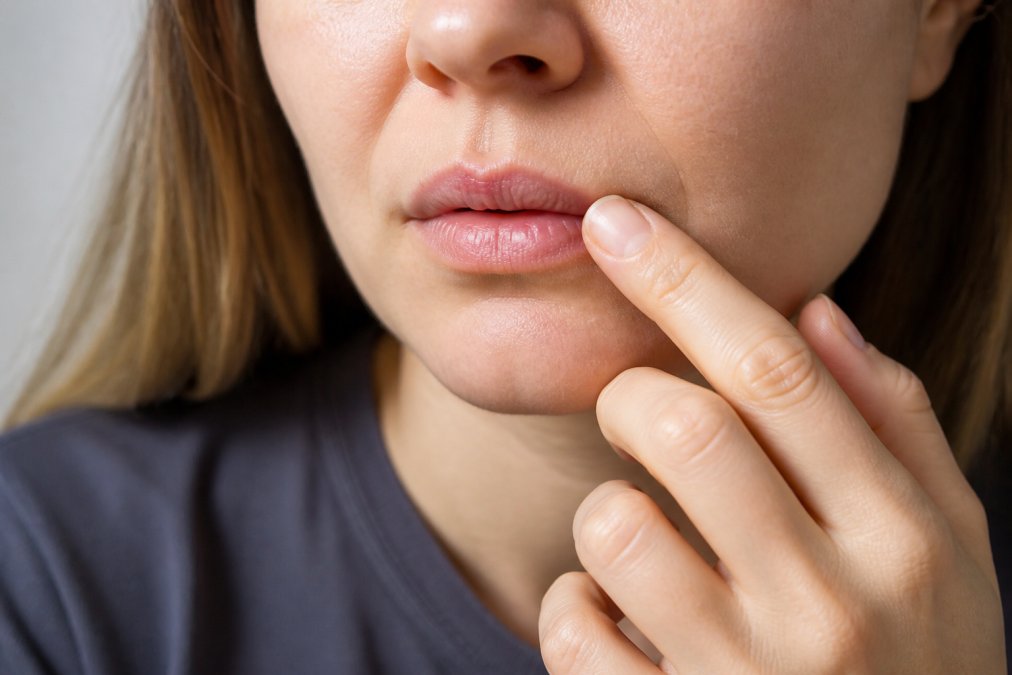
The problem is recognizing it. Not everyone feels the tingling clearly. Some people miss it entirely and only notice when the blister appears. Others feel it but dismiss it as dry skin or irritation. By the time they realize it's a cold sore, the window for maximum prevention has narrowed.
This is why treatments that work at multiple stages matter. If you catch it at tingling, great, you get maximum benefit. If you miss that window, you still want something that works on an established blister, not just prevention.
LipCur is designed to work whether you catch it at tingling or after the blister has formed. That flexibility matters for real life, where people don't always notice symptoms immediately.
Cost-Benefit Analysis: What You're Actually Paying For
Most people think about cold sore treatment cost as a simple price comparison. A tube of Abreva costs less than some alternatives. But cost-benefit analysis reveals what you're actually paying for.
When you buy a cold sore treatment, you're paying for:
- Speed of symptom relief
- Duration of healing
- Probability of preventing blister formation
- Ease of application
- Whether it works on established sores or only early-stage ones
A cheaper treatment that doesn't work fast costs more in lost productivity, social confidence, and repeated applications. A more expensive treatment that delivers results in 24 hours and prevents the sore from becoming visible costs less in practical terms.
LipCur at $24.95 positions itself as premium-quality relief, not a budget option. The value proposition is speed and efficacy, not price competition. For someone with a critical meeting or social event, that speed has real value.
Generic OTC options might cost $5-10 less, but they often require 5-7 days to show results. Prescription antivirals require a doctor visit and potentially insurance copays. The total cost of each approach, including time, inconvenience, and effectiveness, tells a different story than the upfront price alone.
What Makes an Abreva Alternative Actually Work Faster
Speed in cold sore treatment comes down to how the formulation interrupts the outbreak cycle. Not all treatments work the same way, and understanding the difference explains why some feel faster.
Antiviral potency matters. Docosanol blocks viral fusion. Prescription antivirals like acyclovir inhibit viral DNA replication more aggressively. Stronger antiviral action means faster interruption of the viral progression.
Soothing agents provide immediate symptom relief even while healing happens. Menthol numbs the area. Glycerin and other hydrating agents reduce the drying and cracking that makes cold sores painful. You feel relief faster even if the healing timeline is similar.
Timing of application determines outcome. Treatments applied at the tingling stage prevent blister formation entirely. Treatments applied to an established blister reduce severity and duration. A treatment that works at both stages has broader utility.
Formulation consistency affects how well the treatment adheres to the affected area and penetrates the skin. Some topical treatments wash away quickly. Others stay in place, providing sustained delivery of active ingredients.
LipCur combines antiviral action with soothing agents in a formulation designed for fast absorption and sustained contact. The result is symptom relief within hours and healing progression that prevents the typical multi-day blister stage.
What most guides miss is that "faster healing" doesn't always mean the sore disappears sooner. It often means the worst symptoms resolve faster, the tingling stops, the pain decreases, the appearance improves, even if complete healing takes similar time. That distinction matters enormously for someone's confidence and comfort.
When you're facing a cold sore, speed and reliability matter more than price alone. LipCur delivers fast-acting relief designed to stop outbreaks in their tracks and help you heal within 24 hours. With a gentle, soothing formula that prevents itching and tingling while repairing your skin, LipCur gives you the confidence to face your day without the worry of a visible sore. Shop LipCur today with our 120-day money-back guarantee and experience the difference that specialized, fast-acting treatment delivers.

=== FAQ ANSWERS (audit these too, same rules) ===
[1] Q: Is there anything that works better than Abreva for cold sores? A: Yes. Many alternatives deliver faster results than Abreva's docosanol, especially when applied during the prodromal phase (tingling stage). Prescription antivirals like acyclovir and valacyclovir work faster by stopping viral replication more aggressively. OTC options with different active ingredients, combined with early application and proper technique, often outperform traditional Abreva. LipCur, for example, is formulated to work within 24 hours and prevents the itching and tingling that slow healing.
[2] Q: How long do cold sores last with treatment compared to without? A: Without treatment, cold sores typically last 7-10 days. With antiviral treatment applied early, healing time drops to 3-5 days. Prescription antivirals like acyclovir reduce duration most significantly, especially in the tingling stage. Fast-acting OTC alternatives can achieve 24-hour relief when caught early. The key is application timing, treating during the prodromal phase (before visible blistering) delivers the biggest difference in healing duration.
[3] Q: Does lysine for cold sores actually work, or is it just hype? A: Lysine shows modest effectiveness for cold sore prevention and symptom duration, particularly in people with frequent outbreaks. It works by balancing arginine levels (which support herpes replication) and may reduce outbreak frequency when taken daily as a supplement. However, lysine is most effective as prevention, not acute treatment. For active outbreaks, topical antivirals and fast-acting treatments deliver faster pain relief and healing than lysine alone.
[4] Q: Will an Abreva alternative work if I catch the cold sore during the tingling stage? A: Yes, and this is when alternatives work best. The tingling or prodromal phase is the optimal window for any treatment. Applying an antiviral during this stage stops viral replication before blistering occurs, preventing the sore from becoming visible or significantly reducing its severity. LipCur and prescription options are most effective when applied at the first sign of tingling, often preventing a full outbreak or limiting it to minimal redness.
Frequently Asked Questions
Is there anything that works better than Abreva for cold sores?
Yes. Many alternatives deliver faster results than Abreva's docosanol, especially when applied during the prodromal phase (tingling stage). Prescription antivirals like acyclovir and valacyclovir work faster by stopping viral replication more aggressively. OTC options with different active ingredients, combined with early application and proper technique, often outperform traditional Abreva. LipCur, for example, is formulated to work within 24 hours and prevents the itching and tingling that slow healing.
How long do cold sores last with treatment compared to without?
Without treatment, cold sores typically last 7-10 days. With antiviral treatment applied early, healing time drops to 3-5 days. Prescription antivirals like acyclovir reduce duration most significantly, especially in the tingling stage. Fast-acting OTC alternatives can achieve 24-hour relief when caught early. The key is application timing, treating during the prodromal phase (before visible blistering) delivers the biggest difference in healing duration.
Does lysine for cold sores actually work, or is it just hype?
Lysine shows modest effectiveness for cold sore prevention and symptom duration, particularly in people with frequent outbreaks. It works by balancing arginine levels (which support herpes replication) and may reduce outbreak frequency when taken daily as a supplement. However, lysine is most effective as prevention, not acute treatment. For active outbreaks, topical antivirals and fast-acting treatments deliver faster pain relief and healing than lysine alone.
Will an Abreva alternative work if I catch the cold sore during the tingling stage?
Yes, and this is when alternatives work best. The tingling or prodromal phase is the optimal window for any treatment. Applying an antiviral during this stage stops viral replication before blistering occurs, preventing the sore from becoming visible or significantly reducing its severity. LipCur and prescription options are most effective when applied at the first sign of tingling, often preventing a full outbreak or limiting it to minimal redness.
This article was written using GrandRanker