

Table of Contents
- Understanding Cold Sores and Why Speed Matters
- Cold Sore Stages and Treatment: What Happens at Each Phase
- How to Stop a Cold Sore Before It Appears: Early Intervention
- Antiviral Treatments: Over-the-Counter and Prescription Options
- How Long Do Cold Sores Last and How to Speed Recovery
- Natural Remedies and Home Care Techniques
- Fastest Way to Heal: Combining Treatments for Maximum Speed
- Prevention Strategies to Avoid Future Outbreaks
Last Updated: August 26, 2026
Understanding Cold Sores and Why Speed Matters
A cold sore is a painful blister caused by the herpes simplex virus (HSV-1). Cold sores are visible, contagious, and can derail your confidence when you need it most. The speed of healing directly impacts your quality of life.

At LipCur, we understand that cold sores are more than a minor inconvenience, they're a disruption. The fastest way to heal cold sores involves catching the outbreak during its earliest stage, when intervention can prevent the blister from developing or dramatically reduce its severity. Most people wait until a sore is fully formed before treating it, by then you've already lost critical time.
Cold sores progress through distinct stages, and each stage offers different treatment opportunities. The fastest way to heal cold sores isn't about using one product, it's about matching the right intervention to the right stage.
Cold Sore Stages and Treatment: What Happens at Each Phase
Understanding the progression of a cold sore outbreak is essential for knowing when and how to intervene most effectively. Each stage responds differently to treatment.
Prodromal Stage: The Tingling Phase
The prodromal stage is your window of opportunity. This is when you feel tingling, itching, or a slight burning sensation on your lip, often 24-48 hours before any visible blister appears (peer-reviewed research). During this phase, the herpes simplex virus is replicating beneath the skin's surface, but the blister hasn't formed yet.
This is when topical antivirals and preventive treatments can be most effective. Once you recognize the prodromal stage, apply treatment immediately. Waiting even a few hours can mean the difference between preventing the blister and dealing with a full outbreak.
Blister and Crusting Stages
After the prodromal phase, the blister stage typically begins. Fluid-filled blisters form on the lip, and this is when the outbreak becomes visible and most contagious. The blister stage usually lasts 3-4 days, and the virus is actively shedding, so transmission risk is highest (the CDC).
The crusting stage follows as the blister ruptures and begins to dry. A yellowish or brownish crust forms over the sore, lasting another 5-10 days. While the crust looks worse than the blister, it's actually a sign of healing. Pain and inflammation peak during the blister stage but gradually decrease during crusting. Cold compresses, pain management, and anti-inflammatory treatments are most valuable during these middle stages.
How to Stop a Cold Sore Before It Appears: Early Intervention
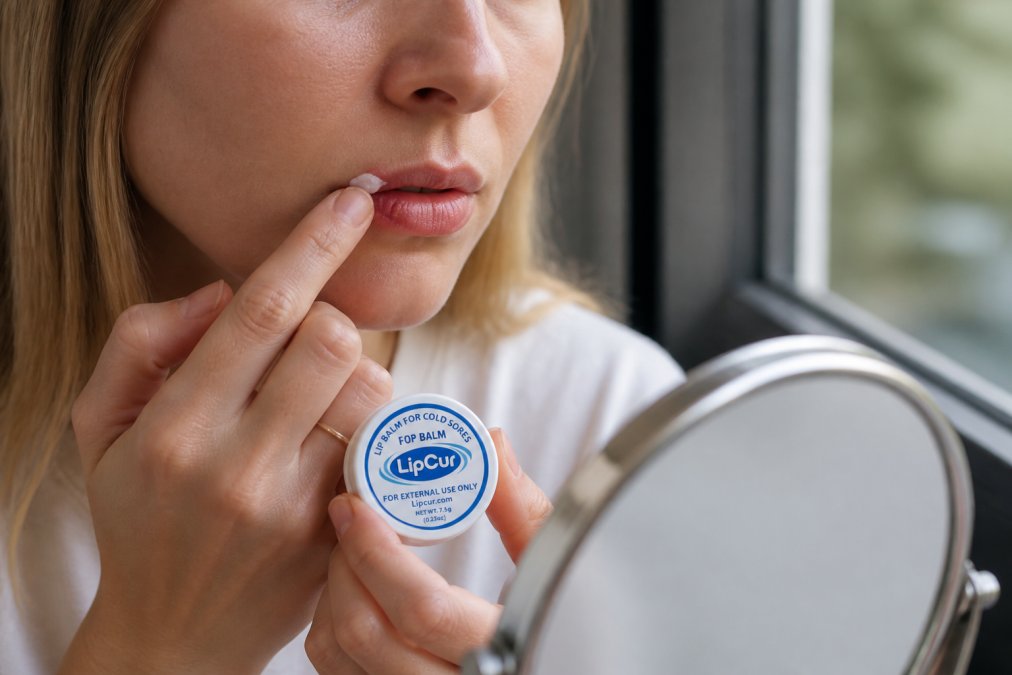
Stopping a cold sore before it becomes visible is the ultimate goal. The moment you feel that characteristic tingling or itching, apply a topical antiviral treatment immediately. The window is narrow: 24-48 hours from the first sensation to visible blister formation. Within this window, aggressive antiviral treatment can stop viral replication before the blister forms.
Some people use ice or cold compresses at the first sign of tingling. Apply ice for 10-15 minutes at a time, several times per day during the prodromal phase.
Stress management during this critical phase matters too. Stress triggers viral replication, so reducing stress during the prodromal phase can help your immune system suppress the outbreak.
Antiviral Treatments: Over-the-Counter and Prescription Options
Antiviral medications work by inhibiting viral replication, slowing the spread of the herpes simplex virus and reducing the severity of the outbreak. There are two main categories: topical antivirals that you apply directly to the sore, and oral antivirals that you take by mouth.
Topical Antiviral Creams
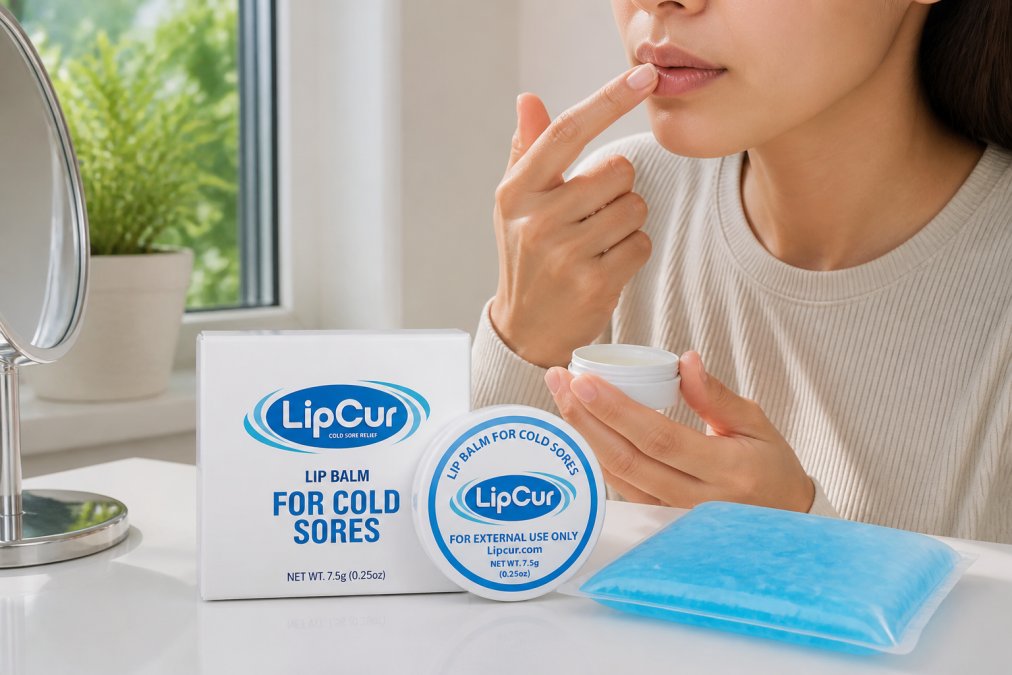
Topical antiviral creams like penciclovir are applied directly to the sore several times per day. These creams work best when applied during the prodromal stage or early blister stage. They reduce viral shedding, decrease pain, and can shorten healing time by a day or two.
LipCur is formulated as a fast-acting topical solution designed to work within 24 hours. The gentle, soothing formula stops cold sore outbreaks and helps accelerate healing while preventing the itching and tingling that makes cold sores so uncomfortable. Apply LipCur at the first sign of tingling or as soon as you notice a blister forming. For best results, use it multiple times daily as directed.
Over-the-counter options like acyclovir cream are widely available and affordable. The key is starting early and applying frequently.
Prescription Antivirals for Severe Outbreaks
For people with frequent, severe outbreaks, oral antiviral medications like valacyclovir offer systemic protection. These are taken by mouth and circulate throughout your body, suppressing viral replication. Prescription antivirals are particularly useful for people whose outbreaks are triggered by specific events, you can take them preventively before a stressful period or before sun exposure.
Some people take oral antivirals daily as suppressive therapy to prevent outbreaks entirely. Consult with a healthcare provider to determine if daily suppressive therapy makes sense for your situation.
How Long Do Cold Sores Last and How to Speed Recovery
The average cold sore lasts 7-10 days from the first tingling sensation to complete healing (peer-reviewed research). However, this timeline can vary significantly based on treatment timing and intensity. A sore caught and treated during the prodromal stage might resolve in 3-5 days. A sore that develops into a full blister might take 10-14 days.
The fastest way to heal cold sores is aggressive early treatment combined with consistent care throughout all stages. Most sores reach their peak pain and inflammation around day 3-4, then gradually improve. By day 7-10, the crust begins to shed and new skin forms underneath. With aggressive early intervention, you can often reduce this to 5-7 days.
After the crust falls off, the new skin is delicate and prone to scarring if irritated. Keep the area clean, avoid picking or touching, and use gentle moisturizing products.
Natural Remedies and Home Care Techniques
While antiviral medications are the most scientifically supported treatment, many people find that natural remedies provide additional relief when combined with conventional treatment.
Essential Oils and Plant-Based Options
Tea tree oil has antimicrobial properties and is commonly used for cold sores. Apply diluted tea tree oil directly to the sore several times daily. Always dilute essential oils before applying to skin, as undiluted oils can cause irritation.
Peppermint oil has anti-inflammatory properties and a cooling sensation that many find soothing. Aloe vera gel is gentle and moisturizing, making it useful during the crusting phase. Honey has antimicrobial and anti-inflammatory properties, apply raw honey directly to the sore and cover with a bandage.
For the fastest way to heal cold sores, combine natural remedies with proven antivirals rather than relying on either alone.
Cold Compress and Pain Management
A cold compress reduces inflammation and numbs pain. Apply ice wrapped in a clean cloth for 10-15 minutes at a time, several times daily. This is most effective during the blister stage when inflammation is highest.
Over-the-counter pain relievers like ibuprofen reduce inflammation and pain. Avoid touching, picking, or squeezing the sore, as this spreads the virus and can lead to secondary bacterial infection.
Fastest Way to Heal: Combining Treatments for Maximum Speed
The fastest way to heal cold sores isn't about using one product, it's about layering treatments strategically based on the stage of your outbreak.
During the prodromal stage, apply topical antiviral treatment immediately and use cold compresses to slow viral replication. Once a blister forms, shift to pain management and inflammation reduction. Continue antiviral treatment, but add cold compresses, pain relievers, and moisturizing treatments.
During the crusting phase, focus on preventing secondary infection and accelerating skin healing. Continue antiviral treatment if the sore is still actively weeping. Use gentle moisturizers like aloe vera or honey to keep the crust soft and prevent cracking. Most people who combine treatments aggressively see results within 5-7 days rather than the typical 7-10 day duration.
Prevention Strategies to Avoid Future Outbreaks
While treating an active cold sore is important, preventing future outbreaks is equally valuable. Many triggers are avoidable or manageable.
Stress is one of the most common triggers. Manage stress through exercise, meditation, adequate sleep, or whatever stress-reduction techniques work for you. During high-stress periods, consider taking oral antivirals preventively.
Sun exposure triggers outbreaks in many people. Use a lip balm with SPF 30 or higher daily, especially during summer months or before outdoor activities. This single habit prevents outbreaks for many people.
Hormonal changes trigger outbreaks in some women, particularly around menstruation. If you notice a pattern, talk with your healthcare provider about preventive antiviral treatment during vulnerable times of your cycle.
Dietary triggers vary by person, but some people report that foods high in arginine (like nuts, chocolate, and certain grains) trigger outbreaks. Conversely, foods high in lysine (like dairy, eggs, and legumes) may help suppress outbreaks. Some people find that taking lysine supplements during high-risk periods prevents outbreaks.
Keep your lips moisturized and protected. Dry, cracked lips are more susceptible to infection. Use a good lip balm daily, especially in winter or dry climates.
Cold sores disrupt your confidence and your schedule, but they don't have to control your life. The fastest way to heal cold sores starts with recognition, catching that prodromal tingling and treating it immediately. Combine topical antivirals like LipCur Cold Sore Relief with cold compresses and pain management for the most aggressive approach to healing. LipCur's fast-acting formula is specifically designed to work within 24 hours, stopping outbreaks and preventing the itching and tingling that makes cold sores unbearable. Beyond treatment, focus on prevention through stress management, sun protection, and immune support.
===
Frequently Asked Questions
Q: Can I get rid of a cold sore in 24 hours?
A: With early intervention and the right treatment approach, you can significantly reduce cold sore duration. Topical antiviral creams like LipCur work fastest when applied during the prodromal stage (tingling phase), potentially stopping progression or minimizing visible symptoms within 24 hours. However, complete healing depends on the outbreak's severity and your immune response. Starting treatment immediately when you feel the first tingle gives you the best chance at rapid recovery.
Q: What's the fastest way to heal cold sores compared to traditional treatments like Abreva?
A: The fastest way to heal cold sores involves combining multiple approaches: applying an antiviral cream immediately at the first tingle, using a cold compress to reduce inflammation, maintaining proper hygiene to prevent secondary infection, and supporting your immune system. LipCur is specifically formulated for fast-acting relief and works within 24 hours. Traditional treatments vary in speed, but early application during the prodromal stage is critical regardless of brand, the sooner you start, the faster your results.
Q: How long do cold sores last if left untreated versus treated?
A: Untreated cold sores typically last 7-10 days from blister formation through complete healing. With prompt treatment using antiviral creams during the prodromal stage, you can reduce this timeline to 3-5 days or potentially stop visible symptoms from developing entirely. The key is recognizing early warning signs like tingling or itching and applying treatment immediately. Prescription antivirals may offer additional speed for severe or frequent outbreaks.
Q: Does this work if I don't catch it at the tingling stage?
A: Yes, antiviral treatments remain effective even after a blister has formed, though results are faster with early intervention. If you're already in the blister or crusting stage, applying treatment immediately can still reduce inflammation, pain, and healing time. LipCur works to soothe irritation and promote faster healing at any stage, but catching the cold sore during the prodromal stage (when you first feel tingling) gives you the maximum opportunity to stop progression before visible symptoms appear.
This article was written using GrandRanker