

Table of Contents
- How Cold Sore Treatments Work: Active Ingredients Explained
- Abreva vs Orajel: Head-to-Head Comparison
- Cold Sore Treatment Duration: What to Expect
- How to Speed Up Cold Sore Healing
- Best Practices for Cold Sore Prevention
- When to See a Doctor and Safety Considerations
- Why LipCur Offers a Different Approach
- Conclusion
Last Updated: August 30, 2026
How Cold Sore Treatments Work: Active Ingredients Explained
Cold sore treatments fall into two main categories: antivirals that target the virus itself, and topical anesthetics that numb pain and reduce discomfort.
Docosanol, the active ingredient in Abreva, blocks the herpes simplex virus (HSV-1) from entering healthy skin cells. When applied early, it can slow viral replication and reduce outbreak duration.
Benzocaine, found in products like Orajel, is a topical anesthetic that numbs the affected area, providing immediate pain relief while your immune system clears the infection.
Timing matters significantly. Antivirals work best during the prodromal stage, that early tingling before a visible sore appears (the FDA). Once a scab forms, antiviral creams become less effective. Anesthetics provide relief at any stage. Many people combine approaches: starting with an antiviral to slow the outbreak, then switching to an anesthetic once the sore becomes visible and painful.
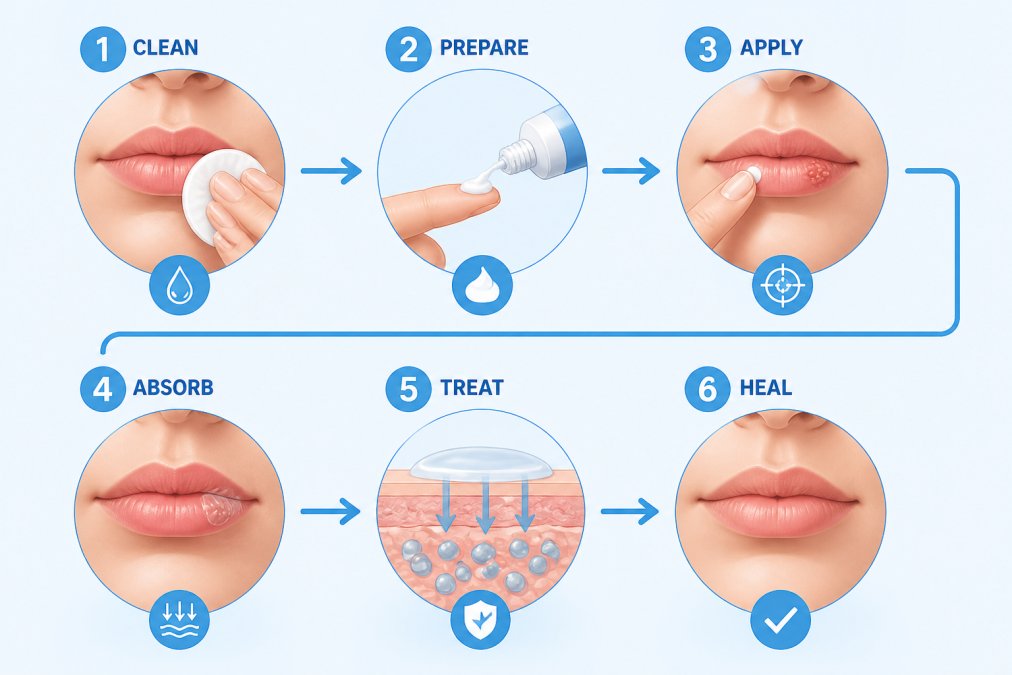
Abreva vs Orajel: Head-to-Head Comparison
Both are over-the-counter options that solve different problems at different outbreak stages. Your choice depends on which stage you're in and what outcome matters most.
Stage-Specific Application: When to Use Each Product
Prodromal Stage (Hours 0-24): Tingling, itching, or burning before any visible sore
This is where Abreva excels. When you feel the first tingle, docosanol can prevent or significantly reduce the outbreak if applied immediately. Start applying Abreva five times daily as soon as symptoms appear. Many users report that consistent application during this 12-24 hour window prevents the sore from becoming visible or reduces severity dramatically.
Orajel is less useful at this stage since there's no visible sore to numb yet.
Blister Stage (Hours 24-72): Fluid-filled sore appears
Once a visible blister forms, Abreva's effectiveness drops sharply. The virus has already progressed beyond docosanol's optimal window. This is where Orajel becomes practical. The blister is now painful, and benzocaine's numbing effect provides immediate relief. Apply Orajel 2-3 times daily as needed. The anesthetic works within minutes and can last several hours per application.
Scab Stage (Days 3-7): Crust forms and hardens
Neither Abreva nor Orajel is particularly effective at this stage. The virus is no longer actively replicating at the surface. Pain typically decreases as the scab hardens. Focus shifts to protection: a thin layer of any topical cream creates a moisture barrier that prevents cracking and secondary infection. Avoid picking the scab and let it fall off naturally.
Healing Stage (Days 7-10): Scab flakes off, new skin forms
Neither product is necessary. Continue protecting the area with a lip balm containing SPF 30 or higher to prevent sun-triggered reactivation.
Abreva: Mechanism and Application
Docosanol prevents the herpes virus from fusing with healthy skin cells. Clinical studies show it can shorten cold sore duration by 1-2 days compared to untreated outbreaks, but only if applied early (peer-reviewed research). The rigid requirement of five daily applications demands consistency. The thick, waxy texture can be visible on lips even after drying.
The critical limitation: Abreva works best during the prodromal stage. If a blister has already formed, docosanol's effectiveness drops significantly. You must catch the outbreak early or the treatment won't deliver meaningful results. The product also costs more than most alternatives.
Orajel: Mechanism and Application
Benzocaine numbs the area within minutes, offering fast pain relief that can last several hours per application. This immediate effect appeals to people managing painful, visible sores. Orajel doesn't fight the virus or shorten healing time; it only reduces discomfort while your immune system handles the infection.
Application is simpler than Abreva: apply as needed for pain relief, typically 2-3 times daily. The product is widely available and costs less than Abreva. One consideration: benzocaine can cause temporary numbness extending beyond the sore itself, which some find disconcerting.
| Feature | Abreva | Orajel |
|---|---|---|
| Active Ingredient | Docosanol (antiviral) | Benzocaine (anesthetic) |
| Primary Benefit | Reduces healing duration | Numbs pain and itch |
| Best Applied | Prodromal stage (before visible sore) | Blister and scab stages (visible sore) |
| Application Frequency | 5 times daily | As needed (2-3 times daily) |
| Onset of Relief | Gradual (hours to days) | Immediate (minutes) |
| Cost | Higher | Lower |
Making the Right Choice for Your Situation
If you experience frequent prodromal warnings, Abreva is the strategic choice, keep it accessible and apply immediately when symptoms start. If you typically don't notice symptoms until a visible sore appears, Orajel is more practical. Many people find having both on hand makes sense: Abreva for early intervention, Orajel for pain management once a sore is visible.
Cold Sore Treatment Duration: What to Expect
Without treatment, most outbreaks resolve in 7-10 days (the CDC). With treatment, you might reduce that timeline, though the actual reduction depends on which treatment you use, how quickly you apply it, and your individual immune response.
Healing Timeline by Treatment Type
Untreated cold sore: 7-10 days from prodromal symptoms to complete healing.
With Abreva (docosanol), applied during prodromal stage: 5-8 days. The potential reduction is 1-2 days if applied early and consistently. If you start Abreva after a blister has formed, expect minimal reduction.
With Orajel (benzocaine): 7-10 days. Benzocaine does not shorten healing time, but significantly reduces pain and itching during those days.
Cost-Benefit Analysis: Is the Investment Worth It?
Abreva cost per episode: A typical tube costs $15-$25 and contains enough product for 2-3 complete treatment cycles. This means the cost per cold sore episode is roughly $5-$12. For occasional sufferers (1-2 outbreaks per year), this is modest. For frequent sufferers (4+ outbreaks per year), annual costs reach $20-$50, and you should consider whether the 1-2 day reduction justifies the expense.
Orajel cost per episode: A typical tube costs $5-$10 and lasts through multiple episodes due to lower application frequency. The cost per episode is roughly $2-$4. Since Orajel doesn't shorten healing time, you're paying for pain relief and comfort.
The Real Question: Healing Time vs. Comfort vs. Cost
Choose Abreva if:
- You experience prodromal symptoms and can apply treatment within 12-24 hours
- You have an important event and need to minimize outbreak duration
- You experience fewer than 4 outbreaks per year
- You're willing to maintain a rigid five-times-daily application schedule
Choose Orajel if:
- Your outbreaks are already visible by the time you notice them
- You experience significant pain and prioritize comfort over healing speed
- You experience frequent outbreaks and want to minimize cumulative costs
- You prefer flexibility in application frequency
Consider both if:
- You experience frequent prodromal warnings (use Abreva early) but also want pain relief for breakthrough sores (use Orajel as backup)
Stage-Specific Healing Expectations
Scab formation typically begins around day 3-4. During this phase, keeping the area clean and protected matters more than antiviral application. A moisture barrier helps prevent cracking and secondary infection. Once a scab has formed, neither Abreva nor Orajel significantly impacts healing time. Focus on protection: avoid picking the scab, keep it clean, and use SPF 30+ lip balm. The scab naturally flakes off over 3-4 days.
By day 7-10, most cold sores have completely healed. If your sore persists beyond 10 days, shows signs of secondary infection, or is unusually large or painful, consult a healthcare provider.
How to Speed Up Cold Sore Healing
Apply treatment early. The prodromal stage is your critical window. Keep a cold sore treatment accessible so you can respond immediately when symptoms start.
Keep the area clean and dry. Bacteria can cause secondary infection, extending healing. Wash your hands before and after touching the sore. Avoid sharing towels, utensils, or lip balm during an outbreak.
Use a moisture barrier strategically. A thin layer of topical cream protects the sore from air exposure and friction. The goal is protection, not saturation.

Stay hydrated and maintain nutrition. Your immune system fights HSV-1 more effectively with adequate resources. Proper hydration and sleep support faster recovery.
Avoid triggers during healing. Stress, sun exposure, hormonal changes, and certain foods can slow recovery. Minimizing exposure during an active outbreak supports faster healing.
Don't pick or squeeze the sore. This extends healing time, increases pain, and raises infection risk.
Best Practices for Cold Sore Prevention
Prevention is always more effective than treatment.
Manage stress and prioritize sleep. Stress and fatigue trigger outbreaks in many people. Regular exercise, adequate sleep, and stress management reduce outbreak frequency.
Protect your lips from sun exposure. UV radiation triggers cold sores in susceptible people. Use a lip balm with SPF 30 or higher during outdoor activities.
Avoid sharing personal items. Don't share toothbrushes, lip balm, towels, or utensils during an outbreak. The virus can shed even when asymptomatic.
Know your triggers and avoid them when possible. Common triggers include stress, hormonal changes, fever, sun exposure, and certain foods. Keeping a log helps identify your personal pattern.
Consider preventative treatment if outbreaks are frequent. If you experience more than 3-4 outbreaks per year, ask your healthcare provider about prescription antiviral options.
When to See a Doctor and Safety Considerations
Most cold sores resolve without medical intervention. However, certain situations warrant professional evaluation.
See a doctor if:
- Cold sores occur more than 6 times per year
- Sores are unusually large, painful, or slow to heal
- You develop signs of secondary infection (increasing redness, warmth, pus, or spreading)
- You have a weakened immune system
- Cold sores affect your eyes or genitals
- You experience severe systemic symptoms
Safety considerations for topical treatments: Topical cold sore treatments are generally safe for most adults. Avoid applying to broken skin elsewhere on your body, and never ingest them. If you have sensitive skin, test a small amount first. Benzocaine should be used as directed; overuse can cause uncomfortable numbness. Pregnant or nursing individuals should consult their healthcare provider before using any cold sore treatment.
Why LipCur Offers a Different Approach
Most cold sore treatments focus on either fighting the virus or managing pain. LipCur combines fast-acting relief with skin repair and protection.
LipCur's formula is designed to work within 24 hours by stopping outbreaks in their tracks and preventing itching and tingling. Rather than choosing between antiviral action and pain relief, LipCur delivers both: a gentle formula that repairs and protects your skin while actively addressing the outbreak.
If Abreva didn't shorten your outbreak or if Orajel's numbing effect wore off too quickly, LipCur's specialized formula targets those gaps. Many users report that LipCur prevents progression from prodromal symptoms to a visible sore, stopping the outbreak before it becomes noticeable.
LipCur is particularly effective for people with frequent outbreaks triggered by stress or hormonal changes. The formula's preventative properties help reduce outbreak frequency, not just duration. For professionals who need to minimize visibility and for anyone seeking confidence during an outbreak, this makes a meaningful difference.
Frequently Asked Questions
Which is better for cold sores, Abreva or Orajel?
Abreva contains docosanol, an antiviral ingredient that reduces healing time when applied at the first sign of symptoms. Orajel uses benzocaine, a topical anesthetic that numbs pain and itch but does not shorten the outbreak duration. Abreva addresses the underlying viral replication, while Orajel focuses on symptom management. The better choice depends on whether you prioritize faster healing or immediate pain relief.
Does Orajel heal cold sores faster than Abreva?
No. Orajel does not accelerate healing time because benzocaine does not have antiviral properties. It provides temporary numbing relief from pain and itching, typically lasting a few hours. Abreva's docosanol actively inhibits HSV-1 viral replication, which can reduce overall healing time when applied early. For actual faster healing, an antiviral treatment like Abreva is more effective than a pain-relief option like Orajel.
How can I speed up cold sore healing once an outbreak has started?
Start treatment at the prodromal stage (tingling or itching) for the best results. Apply your chosen topical treatment frequently as directed, keep the area clean and dry, avoid picking at the sore, and maintain good hydration. Antiviral treatments like docosanol work best when applied early and consistently. Once the sore reaches the blister or scab stage, healing time slows significantly, so early intervention is critical for faster recovery.
Can cold sore treatments prevent outbreaks from happening?
Topical treatments like Abreva and Orajel treat active outbreaks but do not prevent future ones. However, best practices for prevention include managing stress, protecting lips from sun exposure with SPF, maintaining good nutrition and sleep, and avoiding triggers specific to your outbreaks. If you experience frequent recurrent outbreaks, consult a healthcare provider about preventative options or underlying factors like hormonal changes or immune suppression.
Choosing the right cold sore treatment depends on your priorities: Do you want to shorten the outbreak, manage pain, or prevent recurrence? If you've struggled with existing options, LipCur delivers the fast-acting relief and skin repair you've been looking for. Shop Now and experience the confidence of a targeted treatment that actually works.
This article was written using GrandRanker