

Table of Contents
- What Are Cold Sores and How They Form
- Cold Sore Triggers You Can Control
- Natural Remedies to Treat Cold Sores Naturally
- How Long Do Cold Sores Last and Speed Up Healing
- When to See a Doctor for Cold Sores
- Preventing Cold Sores: Stage-Specific Care and Stress Management
- Why LipCur Works Faster Than Natural Remedies Alone
- Conclusion
Last Updated: August 29, 2026
What Are Cold Sores and How They Form
A cold sore is a painful blister that forms on or around the lips, caused by the herpes simplex virus (HSV-1). Once you're infected, the virus remains dormant in nerve cells and can reactivate periodically, triggering painful outbreaks. Understanding how cold sores develop is the first step toward treating them effectively and preventing future episodes.
The infection typically progresses through distinct stages. It begins with a prodrome stage, where you feel tingling, itching, or burning sensations before any visible blister appears. This early warning window is critical, catching the outbreak at this stage gives you the best chance to minimize severity and duration. After the prodrome phase, a fluid-filled blister forms, followed by crusting and eventual healing over 7-10 days (the CDC).
The virus spreads through direct contact with infected skin or saliva (the NIH). This is why cold sores are highly contagious, especially during the blister and crusting stages. Viral shedding occurs even before symptoms appear, meaning you can transmit the infection without knowing you have an outbreak. Understanding this transmission pattern helps explain why prevention and early treatment are so important.
Cold Sore Triggers You Can Control
Not every person with HSV-1 experiences frequent outbreaks. The difference often comes down to what triggers reactivation in your specific body. While you can't eliminate the virus entirely, identifying and managing your personal triggers can dramatically reduce outbreak frequency.
Stress is one of the most common and controllable triggers. When your body experiences physical or emotional stress, your immune system becomes compromised, allowing the dormant virus to reactivate. This explains why cold sores often appear during high-pressure work periods, relationship conflicts, or major life changes. Implementing stress reduction techniques, whether meditation, exercise, or simply prioritizing sleep, can noticeably decrease outbreak frequency.
Hormonal fluctuations trigger outbreaks in many people, particularly those who menstruate. The hormonal shifts around your menstrual cycle can weaken immune response and activate the virus. If you notice a pattern of outbreaks tied to your cycle, tracking these occurrences helps you prepare preventive measures in advance.
Sun exposure damages lip tissue and triggers viral reactivation in susceptible individuals. UV radiation weakens the skin barrier and suppresses local immune function. Using lip balm with SPF 30 or higher, especially during outdoor activities or winter sports, provides meaningful protection against sun-triggered outbreaks.
Dietary triggers vary significantly between individuals, but certain foods appear to activate the virus in some people. Arginine-rich foods like chocolate, nuts, seeds, and certain grains may promote viral replication. If you notice outbreaks following consumption of specific foods, consider limiting those items during high-risk periods. Conversely, lysine-rich foods like dairy, fish, and poultry may help suppress viral activity.
Illness and fever naturally trigger cold sore reactivation because your immune system is already compromised fighting another infection. Similarly, immunosuppressive medications or conditions that weaken immunity increase outbreak risk. If you're undergoing medical treatment that affects immunity, be extra vigilant about prevention during that period.
Natural Remedies to Treat Cold Sores Naturally
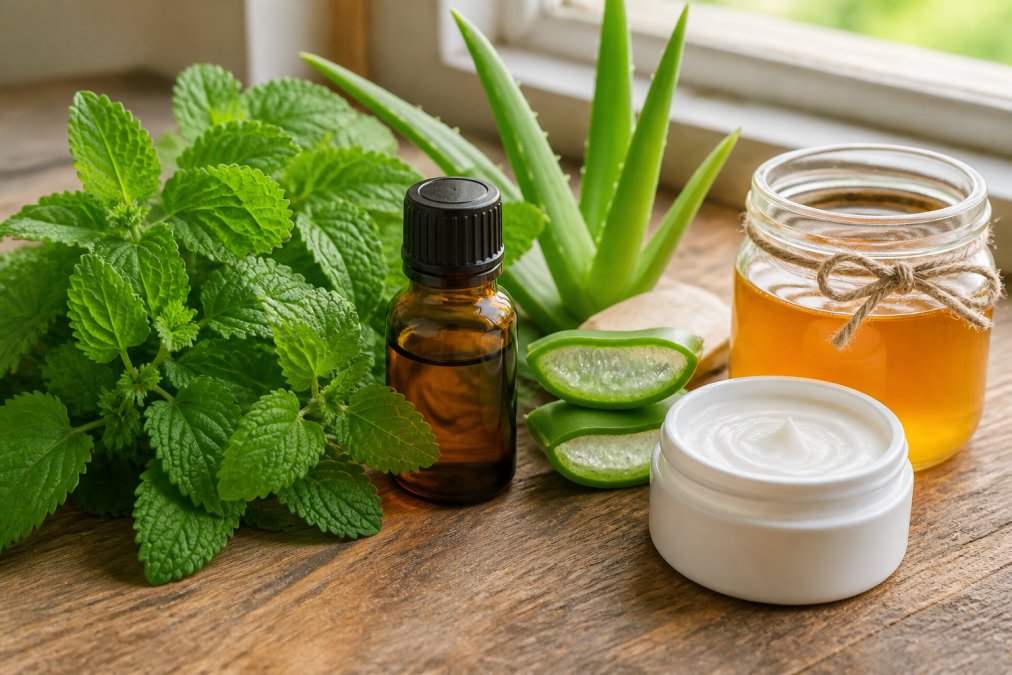
Treating cold sores naturally means using topical applications and supplements with antiviral properties to reduce inflammation, soothe pain, and accelerate healing. While natural remedies work best when applied early, ideally during the prodrome stage, they can provide meaningful relief at any stage of infection.
Lysine and Dietary Approaches
Lysine is an amino acid that competes with arginine, another amino acid the herpes simplex virus needs to replicate. By increasing lysine intake, you create an environment less favorable for viral replication. Many people find that consistent lysine supplementation reduces outbreak frequency and severity, though individual results vary.
You can increase lysine through dietary sources: dairy products, fish, chicken, beef, and legumes are naturally rich in this amino acid. If you prefer supplementation, lysine is available as an oral supplement in most health stores. Taking 1000-3000 mg daily during an outbreak or as preventive maintenance has shown promise in reducing viral shedding and healing time (peer-reviewed research). The key is consistency, sporadic supplementation provides minimal benefit.
Avoiding high-arginine foods during outbreaks supports lysine's effectiveness. While you don't need to eliminate these foods permanently, reducing chocolate, nuts, seeds, and processed grains during active infections helps your body's antiviral defenses work more effectively.
Essential Oils and Topical Treatments
Tea tree oil contains compounds with documented antiviral properties. Applied topically to the affected area, diluted tea tree oil can reduce inflammation and support faster crusting and healing. Always dilute tea tree oil with a carrier oil like coconut oil before applying to skin, undiluted tea tree oil can irritate sensitive lip tissue.
Lemon balm (melissa officinalis) has been studied for cold sore treatment and shows promise in reducing outbreak duration and severity. The herb contains polyphenols with antiviral activity. You can apply lemon balm extract topically or brew it as a tea to drink during outbreaks. Many people find the soothing effect particularly helpful during the painful blister stage.
Peppermint oil similarly possesses antiviral properties and provides a cooling sensation that temporarily numbs pain. Mixed with a carrier oil, peppermint oil can be applied several times daily during active outbreaks. The cooling effect offers immediate relief while the antiviral compounds work to reduce viral replication.
Aloe vera gel soothes irritation and supports the skin's natural healing process. The gel's anti-inflammatory compounds reduce redness and swelling, while its moisturizing properties prevent excessive drying and cracking during the crusting stage. Apply pure aloe vera gel directly to the sore multiple times daily for best results.
Honey, particularly raw honey with higher enzyme content, has antimicrobial and anti-inflammatory properties. Applying honey directly to the cold sore creates a protective barrier while its natural compounds support healing. Some people find honey more effective than conventional lip balms for accelerating the crusting and healing phases.
Cold Compress and Ice Therapy
A cold compress applied to the affected area reduces inflammation, numbs pain, and slows viral replication. The cooling effect constricts blood vessels, decreasing the inflammatory response that causes swelling and redness. Apply a cold compress or ice pack wrapped in a clean cloth for 10-15 minutes several times daily, especially during the early blister stage.
Cold therapy works best when applied frequently during the first 24-48 hours of infection. This early intervention can meaningfully reduce the size and severity of the blister. As the sore progresses to crusting, cold therapy becomes less critical, though continued application still provides pain relief.
How Long Do Cold Sores Last and Speed Up Healing
The typical cold sore lasts 7-10 days from blister formation to complete healing, though individual timelines vary based on immune function and treatment approach. Understanding this timeline helps you set realistic expectations and recognize when an outbreak requires medical attention.
The prodrome stage lasts 12-24 hours, this is your window for maximum intervention impact. During this phase, applying antiviral treatments or cold therapy can sometimes prevent the blister from fully developing or significantly reduce its severity. Missing this window doesn't mean treatment is ineffective, but it does reduce the potential benefit.
Once the blister forms, it typically persists for 2-3 days before rupturing and beginning the crusting phase. The crusting stage lasts another 3-5 days as your body's immune system clears viral particles and the wound heals from the inside out. Complete healing, including full skin restoration and pigment normalization, may take an additional 1-2 weeks.
To speed healing, focus on three strategies: reducing inflammation, supporting immune function, and preventing secondary infection. Cold therapy and topical anti-inflammatory treatments address inflammation directly. Adequate sleep, stress management, and proper nutrition support your immune system's ability to clear the infection. Keeping the sore clean and avoiding picking or touching it prevents bacterial secondary infection, which extends healing time significantly.
Vitamin C supports immune function and collagen synthesis, both crucial for rapid healing. Taking vitamin C supplements or consuming citrus fruits, berries, and leafy greens during an outbreak provides meaningful nutritional support. Similarly, zinc oxide provides both sun protection and mild antiviral properties when applied topically.
When to See a Doctor for Cold Sores
Most cold sores resolve without medical intervention within 7-10 days. However, certain situations warrant professional evaluation. If your outbreak is unusually severe, spreads to other body areas, or doesn't show improvement after 10 days, consult a healthcare provider. These patterns may indicate a secondary bacterial infection or an atypical presentation requiring prescription treatment.
People with compromised immune systems, including those with HIV, undergoing chemotherapy, or taking immunosuppressive medications, should contact their doctor at the first sign of a cold sore. For these individuals, oral antiviral medications may be necessary to prevent serious complications.
If cold sores frequently recur (more than six times yearly), discuss prevention strategies with your healthcare provider. Prescription antiviral medications taken daily can suppress outbreaks in people with frequent recurrence, significantly improving quality of life.
Seek immediate medical attention if you experience fever above 101°F alongside a cold sore, signs of spreading infection, or if the sore develops in or near your eye. These presentations require professional evaluation to rule out serious complications.
Preventing Cold Sores: Stage-Specific Care and Stress Management
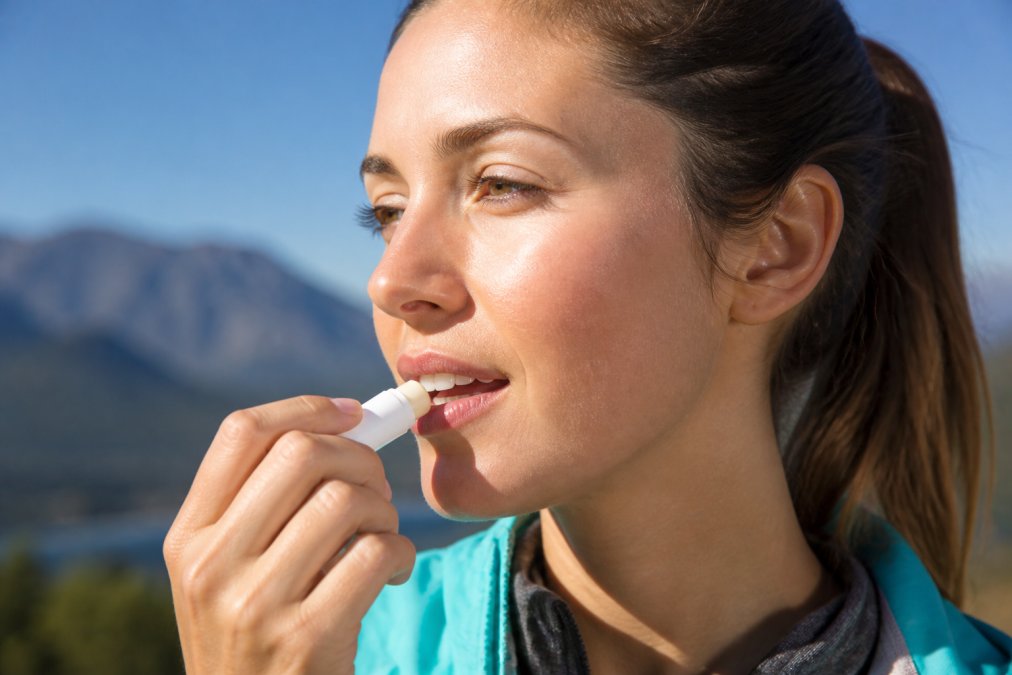
Prevention requires a multi-layered approach addressing your specific triggers while building overall immune resilience. The most effective prevention strategy combines stress management, sun protection, dietary awareness, and early intervention at the first sign of prodrome symptoms.
Stress management is foundational because stress suppresses immune function and directly triggers viral reactivation in susceptible individuals. Regular exercise, meditation, adequate sleep, and time in nature all demonstrably reduce stress-related outbreak frequency. Even 20 minutes of daily walking or gentle yoga can meaningfully decrease your outbreak rate over time.
Sun protection prevents UV-triggered outbreaks. Use lip balm with SPF 30 or higher daily, especially during outdoor activities, winter sports, or beach time. Reapply after eating or drinking. This simple habit prevents many sun-triggered outbreaks without requiring lifestyle changes.
Immune support through proper nutrition, sleep, and stress reduction creates an environment where the dormant virus remains inactive. When your immune system is strong, it effectively suppresses HSV-1 reactivation. Conversely, poor sleep, chronic stress, and inadequate nutrition create conditions where outbreaks become more frequent.
Early recognition of prodrome symptoms, tingling, itching, or burning sensations, allows you to intervene before the blister forms. The moment you feel these warning signs, apply cold therapy or topical antiviral treatments immediately. This early action often prevents full blister development or significantly reduces severity.
Why LipCur Works Faster Than Natural Remedies Alone
While natural remedies offer real benefits, they work slowly because they rely on your body's own healing processes. Natural treatments typically require 7-10 days to fully resolve a cold sore, and they work best during the prodrome stage before the blister forms.
LipCur takes a different approach with a clinically formulated solution designed to accelerate healing at every stage. The specialized formula targets the specific needs of cold sore tissue: rapid inflammation reduction, antiviral action, and accelerated skin repair. LipCur's fast-acting relief works within 24 hours, stopping outbreaks in their tracks and helping you heal significantly faster than natural approaches alone.
What sets LipCur apart is the combination of soothing ingredients that work synergistically. Rather than relying on a single remedy's gradual effects, LipCur's gentle yet effective formula provides immediate pain relief while simultaneously promoting faster healing. The formula prevents the uncomfortable itching and tingling associated with cold sores, allowing you to move through your day with confidence.
LipCur is particularly valuable for people who experience frequent outbreaks or those who catch the infection after the prodrome stage has passed. While natural remedies work best when applied early, LipCur delivers meaningful results even when applied during the blister or crusting stages. For professionals managing visible cold sores before important meetings or social events, LipCur's rapid action provides the speed that natural remedies simply cannot match.
The key difference is formulation science. Natural remedies work through general antiviral or anti-inflammatory mechanisms that take time to produce visible results. LipCur's specialized formula accelerates every phase of healing, delivering results you can see and feel within hours, not days.
Cold sores don't have to disrupt your life or confidence. While natural remedies provide valuable support, combining them with targeted treatment accelerates healing and prevents future outbreaks more effectively. LipCur's fast-acting formula stops cold sores in their tracks and helps you heal within 24 hours, delivering the rapid relief natural approaches alone cannot match. With its gentle yet effective formula that repairs and protects your skin while preventing itching and tingling, LipCur gets you back to feeling like yourself again. Shop LipCur Cold Sore Relief today and experience the confidence of treatment that actually works.

Frequently Asked Questions
How do you treat a cold sore naturally if you catch it early?
Catch the prodrome stage (tingling or itching before the blister forms) and start immediately with lysine supplements, lemon balm, or ice therapy. Apply cold compress for 10-15 minutes several times daily to reduce inflammation. Topical applications like tea tree oil or aloe vera gel can prevent the sore from worsening. Early intervention is crucial because once the blister stage begins, natural remedies work more slowly. Many people find that combining ice therapy with oral lysine (1,000-3,000 mg daily) during the early stage significantly reduces outbreak severity.
What are the most common cold sore triggers?
Cold sore triggers include stress, hormonal changes (especially during menstruation), sun exposure without SPF protection, illness or fever, and certain foods high in arginine (nuts, chocolate, caffeine). Identifying your personal triggers is essential for prevention. Keep a log of outbreaks to spot patterns. Dietary triggers vary by person, but reducing arginine-rich foods while increasing lysine intake may help. Stress management through exercise, meditation, or sleep improvement can significantly reduce outbreak frequency. Sun protection with SPF 30+ lip balm prevents UV-triggered reactivation of the herpes simplex virus.
How long do cold sores typically last, and what speeds up healing?
Cold sores typically last 7-10 days without treatment, progressing through stages: prodrome (tingling), blister, ulcer, crusting, and healing. Natural remedies can reduce this timeline when started early. Lysine supplementation, ice therapy, and antiviral topicals like lemon balm or tea tree oil speed healing by reducing viral shedding and inflammation. Keeping the area clean and avoiding secondary infection is critical. Specialized formulas designed for rapid healing can reduce duration to 24-48 hours when applied at the first sign of symptoms. Zinc oxide and vitamin C support the immune system and accelerate skin repair.
When should I see a doctor about a cold sore?
Seek medical attention if the sore persists beyond 10 days, spreads to the eyes or genitals, causes severe pain unrelieved by home treatment, or if you have a weakened immune system. Signs of secondary infection (increasing redness, warmth, pus) require professional evaluation. If cold sores occur more than 6 times yearly, discuss prevention strategies with your healthcare provider. Immunocompromised individuals should consult a doctor at the first sign of symptoms. Medical professionals can prescribe antiviral medications that work faster than natural remedies alone for severe or recurrent outbreaks.
This article was written using GrandRanker