

Table of Contents
- Understanding the Lysine vs Arginine for Cold Sores
- Foods High in Lysine to Eat
- Foods High in Arginine to Avoid
- How to Stop a Cold Sore in 24 Hours with Diet and Treatment
- Meal Planning and Sample Menus for Cold Sore Prevention
- The Role of Immune System Health and Micronutrients
- Lifestyle Factors and Stress Management Beyond Diet
- Conclusion
Last Updated: August 27, 2026
Understanding the Lysine vs Arginine for Cold Sores
The amino acid balance between lysine and arginine plays a central role in managing herpes simplex virus reactivation. When lysine levels are high relative to arginine, the virus struggles to replicate effectively. Conversely, excess arginine can create an environment where the virus thrives. This is why the best diet to prevent cold sore outbreaks focuses on tilting this amino acid ratio in your favor.
Lysine and arginine are both essential amino acids, but they compete for absorption in your digestive system. The virus that causes cold sores relies on arginine for its replication cycle (peer-reviewed research). By consuming foods rich in lysine while limiting arginine sources, you can suppress viral replication before symptoms even start.
At LipCur, we recognize that dietary management works best when combined with targeted topical treatment. While food choices lay the foundation for outbreak prevention, having a fast-acting solution like LipCur on hand ensures you're covered if a sore does emerge. The combination approach, prevention through diet plus rapid treatment, gives you the most reliable defense against cold sores.

The lysine-to-arginine ratio isn't just theory. The key is consistency: maintaining this balance over time creates sustained viral suppression, reducing both the frequency and severity of cold sores.
Foods High in Lysine to Eat
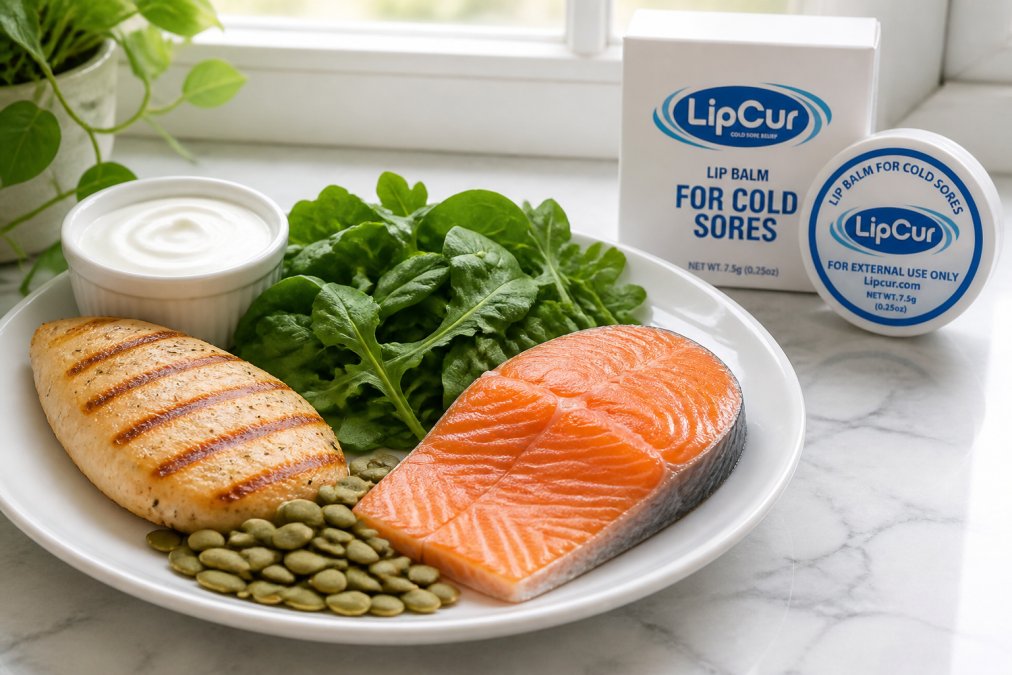
The best diet to prevent cold sore outbreaks prioritizes lysine-rich foods as dietary staples. Poultry stands out as one of the most reliable sources, chicken and turkey provide substantial lysine with minimal arginine. A 3-ounce serving of cooked chicken breast delivers significant lysine content, making it an ideal protein foundation for meals designed around outbreak prevention.
Fish and seafood are equally valuable. Salmon, cod, and other cold-water fish contain high lysine levels and offer additional anti-inflammatory omega-3 fatty acids that support immune system health. These healthy fats also help reduce inflammation associated with viral reactivation.
Dairy products deserve special attention. Greek yogurt, cottage cheese, and milk are lysine-dense and accessible. Many people find adding Greek yogurt to breakfast or snacking on cheese throughout the day maintains steady lysine intake without requiring elaborate meal planning.
Plant-based lysine sources include legumes and seeds. Pumpkin seeds, sunflower seeds, and peas contain meaningful amounts of lysine. While legumes like lentils and beans do contain arginine, their lysine content is high enough that they can still support outbreak prevention when balanced with other foods.
Eggs provide complete protein with favorable lysine ratios. They're versatile, affordable, and easy to incorporate into any meal pattern. The combination of eggs with vegetables creates a nutrient-dense foundation for cold sore prevention.
Foods High in Arginine to Avoid
Certain foods create an environment where the herpes simplex virus replicates more readily. Understanding which foods to limit is as important as knowing what to eat.
Nuts and seeds are arginine-heavy. While pumpkin and sunflower seeds contain lysine, almonds, peanuts, walnuts, and cashews are arginine-dominant. If you enjoy nuts, consume them sparingly and pair them with lysine-rich foods in the same meal to maintain balance.
Chocolate is a frequent cold sore trigger for many people. The combination of arginine and refined sugar makes it particularly problematic. Dark chocolate contains more arginine than milk chocolate, making it a worse choice during outbreak-prevention phases.
Refined grains and sugary foods deserve attention beyond their arginine content. Refined sugar suppresses immune function, making your body less capable of controlling viral replication. This creates a compounding problem: high arginine plus weakened immunity equals increased outbreak risk.
Certain fruits, particularly citrus, are arginine-rich. While oranges and lemons offer vitamin C, they're better consumed in moderation or paired with lysine sources. Berries, by contrast, are lower in arginine and higher in antioxidants, making them a better fruit choice.
Processed meats like bacon, ham, and deli turkey contain arginine along with pro-inflammatory compounds. Fresh poultry is dramatically better than processed versions. When choosing protein, prioritize whole, unprocessed sources.
Coffee and caffeine deserve mention. While not high in arginine, caffeine can trigger stress responses that reactivate the virus. Many people notice increased outbreak frequency during periods of high caffeine consumption.
How to Stop a Cold Sore in 24 Hours with Diet and Treatment
Stopping a cold sore in 24 hours requires immediate action on two fronts: dietary intervention and topical treatment. The moment you feel that characteristic tingling, the prodromal phase, is when you have maximum use.
First, eliminate arginine sources immediately. If you're in the early tingling phase, remove nuts, chocolate, and processed foods from your diet for the next 48 hours. Replace them with lysine-dense meals: grilled chicken, fish, Greek yogurt, and eggs. This creates an acute shift in your amino acid environment that can suppress viral replication before visible symptoms emerge.
Hydration matters more than most guides acknowledge. Drink significantly more water than usual. Proper hydration supports immune function and helps your body mount an effective antiviral response. Many people report that increasing water intake by 50% during the prodromal phase reduces outbreak severity.
Topical treatment accelerates healing dramatically. LipCur is specifically formulated to work within 24 hours when applied at the first sign of tingling. The combination of dietary lysine elevation plus fast-acting topical treatment gives you the best chance of stopping an outbreak before it becomes visible. Apply LipCur as directed the moment you feel symptoms emerging.
Sleep quality during this 24-hour window is critical. Stress hormones suppress immune function, and poor sleep elevates stress hormones. Prioritize 7-8 hours of sleep during this period. If you're experiencing stress or anxiety about the outbreak, this is the time to use stress-management techniques.
Vitamin C supplementation can provide additional immune support during this acute phase. Many people take 1,000-2,000 mg of vitamin C at the first sign of symptoms. This supports your immune system's ability to suppress viral replication quickly.
Meal Planning and Sample Menus for Cold Sore Prevention
Effective outbreak prevention requires consistency, not perfection. A practical meal plan removes the guesswork and ensures you're maintaining favorable amino acid ratios throughout the day.
Breakfast Options:
- Scrambled eggs with whole-grain toast and Greek yogurt
- Oatmeal with cottage cheese and berries
- Salmon and cream cheese on whole-grain bread
- Egg white omelet with vegetables and low-fat cheese
Lunch Options:
- Grilled chicken breast with quinoa and roasted vegetables
- Baked cod with sweet potato and green beans
- Turkey breast sandwich on whole-grain bread with lettuce and tomato
- Lentil soup with added chicken and leafy greens
Dinner Options:
- Salmon fillet with brown rice and steamed broccoli
- Lean beef with sweet potato and asparagus
- Chicken stir-fry with mixed vegetables and brown rice
- Baked cod with whole-grain pasta and marinara sauce
Snacks:
- Greek yogurt with berries
- Hard-boiled eggs
- Cheese and whole-grain crackers
- Cottage cheese with fruit (berries preferred)
- Turkey slices with cucumber
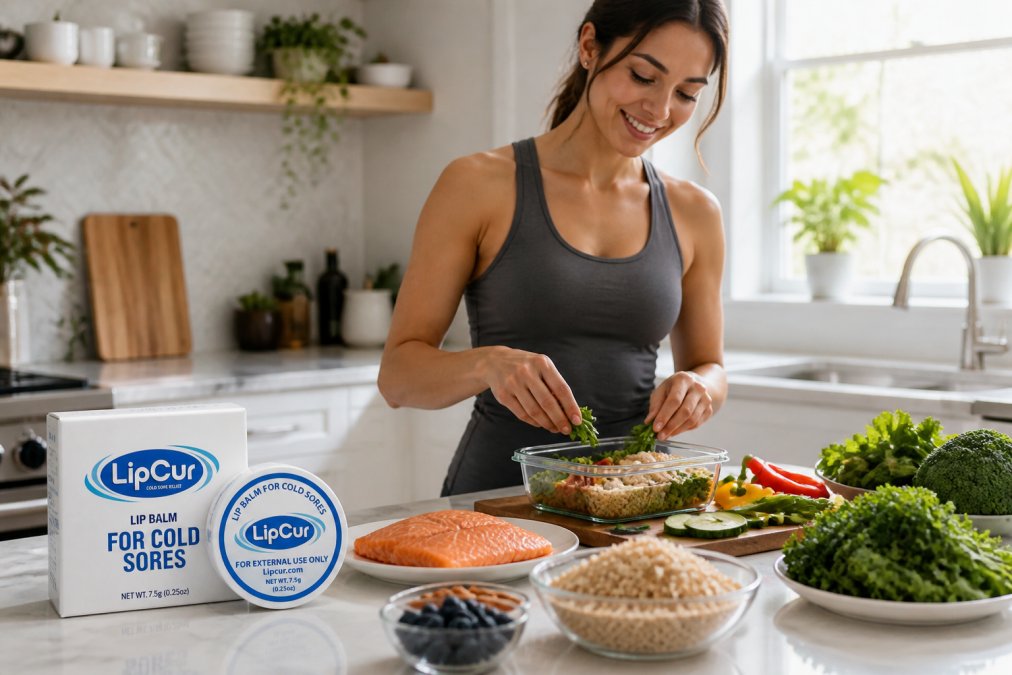
The key to sustainable meal planning is rotating proteins. Eating the same chicken breast every day becomes monotonous. By alternating between chicken, fish, turkey, and eggs, you maintain variety while staying within lysine-dominant parameters.
Batch cooking simplifies compliance. Prepare grilled chicken, baked salmon, and hard-boiled eggs at the beginning of the week. These proteins can be mixed into different meals throughout the week, reducing daily preparation burden while ensuring consistent amino acid intake.
Pay attention to what works for your body. Some people notice fewer outbreaks when they emphasize fish over poultry. Others respond better to dairy-based meals. Track your outbreak frequency over 6-8 weeks on any given meal plan, then adjust based on results.
The Role of Immune System Health and Micronutrients
Your immune system is your primary defense against viral replication. Even with optimal amino acid ratios, a compromised immune system allows the virus to break through. This is why micronutrient sufficiency is non-negotiable for cold sore prevention.
Vitamin D plays a central role in immune regulation. Many people with frequent cold sores are vitamin D deficient. Adequate vitamin D levels support T-cell function and antiviral immune responses. For most people, 1,000-2,000 IU daily provides adequate support, though individual needs vary (the NIH). Getting 15-30 minutes of midday sun exposure several times per week provides natural vitamin D synthesis.
Zinc is essential for immune cell function. Zinc deficiency is associated with increased susceptibility to viral infections, including cold sores. Oysters, beef, pumpkin seeds, and chickpeas are dietary zinc sources. If supplementing, avoid exceeding 40 mg daily from supplements, as excess zinc can impair other immune functions (the NIH).
Vitamin C supports antiviral immune responses. While citrus fruits are arginine-rich, other vitamin C sources exist. Bell peppers, broccoli, and berries provide vitamin C with lower arginine content. Many people find that maintaining adequate vitamin C intake through food reduces outbreak frequency.
Selenium supports antiviral immunity and acts as an antioxidant. Brazil nuts, seafood, and whole grains contain selenium. A single Brazil nut daily provides adequate selenium for most people.
Gut health affects immune function profoundly. Your microbiome influences immune cell development and antiviral responses. Fermented foods like sauerkraut, kimchi, and kefir support beneficial gut bacteria. Many people report reduced outbreak frequency after improving gut health through dietary changes.
Iron deficiency impairs immune function. Red meat, poultry, legumes, and fortified cereals provide dietary iron. Adequate iron status is particularly important for women during menstrual years, as menstrual blood loss increases iron requirements.
B vitamins support immune function and stress resilience. B6, B12, and folate are particularly important. These are abundant in poultry, fish, eggs, and leafy greens, foods already emphasized in outbreak prevention diets.
Lifestyle Factors and Stress Management Beyond Diet
Diet creates a foundation for outbreak prevention, but lifestyle factors determine whether that foundation holds. Stress is the most common cold sore trigger beyond dietary factors.
Stress hormones like cortisol suppress immune function. During high-stress periods, your body's ability to control viral replication diminishes dramatically. This is why many people experience cold sores during major life events, work deadlines, or relationship conflicts.
Stress management techniques reduce outbreak frequency measurably. Meditation, even 10 minutes daily, lowers cortisol and supports immune function. Progressive muscle relaxation, deep breathing exercises, and yoga all provide documented stress reduction benefits.
Sleep deprivation is a powerful outbreak trigger. During sleep, your immune system consolidates antiviral defenses. Chronic sleep deprivation, six hours or fewer nightly, increases outbreak frequency significantly. Prioritizing 7-9 hours of consistent sleep is one of the most effective outbreak prevention strategies.
Physical exercise supports immune function and stress resilience. Moderate exercise, 30 minutes of walking, cycling, or swimming most days, enhances antiviral immunity. Intense exercise without adequate recovery can temporarily suppress immunity, so balance intensity with recovery.
Hormonal fluctuations trigger cold sores in many people, particularly women. Menstrual cycles, hormonal contraceptives, and hormone replacement therapy can trigger outbreaks. Tracking outbreak timing relative to your menstrual cycle helps identify hormonal patterns. If hormonal triggers are significant, discuss options with your healthcare provider.
Infections trigger cold sore reactivation. Upper respiratory infections, flu, and other viral illnesses can reactivate the herpes simplex virus. During any illness, increase lysine intake and reduce stress further, as your immune system is already taxed.
Environmental factors matter. Sun exposure, particularly on lips, triggers cold sores in many people. Use lip sunscreen (SPF 30+) during outdoor activities. Cold, dry weather increases outbreak frequency for some people, making winter a high-risk season.
Alcohol consumption can trigger outbreaks through multiple mechanisms: immune suppression, dehydration, and increased stress. If you notice outbreaks following alcohol consumption, reducing intake or eliminating alcohol entirely may be worthwhile.
The best diet to prevent cold sore outbreaks isn't complicated, but it does require consistency. By maintaining a lysine-dominant amino acid ratio, supporting immune function through targeted micronutrients, and managing stress effectively, you create an environment where the virus struggles to reactivate. When prevention isn't enough and a cold sore does emerge, LipCur provides the fast-acting relief you need. With LipCur's clinically formulated solution, you can stop cold sores within 24 hours while your dietary foundation prevents future outbreaks. Start with the meal plans outlined above, prioritize the micronutrients your immune system needs, and keep LipCur on hand for the moments when prevention alone isn't enough.
Frequently Asked Questions
What can I eat to stop getting cold sores?
Prioritize lysine-rich foods like chicken, turkey, fish, eggs, dairy products, and legumes. These amino acids support immune system function and help prevent herpes simplex virus replication. Pair these with antioxidant-rich vegetables like spinach and broccoli. Avoid high-arginine foods like nuts, seeds, and chocolate, which can trigger outbreaks. For fast relief during an active sore, combine dietary changes with LipCur Cold Sore Relief, which works within 24 hours to stop the outbreak.
Does lysine help prevent cold sore outbreaks?
Yes. L-lysine is an amino acid that competes with L-arginine for absorption in your body. When lysine levels are high relative to arginine, it reduces the viral replication environment that herpes simplex virus needs to thrive. Maintaining adequate lysine intake through foods like poultry, fish, and dairy can reduce outbreak frequency and severity. Some people benefit from lysine supplementation, though whole foods provide better bioavailability and additional micronutrients.
What foods should I avoid that trigger cold sores?
Limit foods high in arginine, including nuts (especially peanuts and almonds), seeds, chocolate, coconut, whole grains in excess, and processed meats. Arginine promotes the amino acid ratio that favors viral replication. Also avoid refined sugar and pro-inflammatory foods, which weaken immune support and can trigger flare-ups during stress or hormonal changes. If you catch a sore at the tingling stage, use LipCur immediately alongside dietary adjustments for the best chance of stopping it before it becomes visible.
How quickly can diet changes and LipCur work together to heal a cold sore?
Diet changes take days to weeks to shift your amino acid balance and reduce outbreak frequency. For immediate relief, LipCur Cold Sore Relief is designed to work within 24 hours, stopping the outbreak and reducing redness and itching. The best approach combines both: use LipCur for fast symptom relief and outbreak management, while building long-term prevention through a lysine-rich diet and stress management. This dual strategy addresses both active sores and the underlying nutritional factors that trigger recurrence.
This article was written using GrandRanker