

Table of Contents
- Why Cold Sores Keep Returning: The HSV-1 Reactivation Cycle
- Cold Sore Triggers List: What Causes Outbreaks to Reappear
- How Long Do Cold Sores Last: Timeline and Healing Stages
- How to Stop Cold Sore Tingling Before It Becomes Visible
- Immune System Suppression and Viral Reactivation
- Medical Treatments and Antiviral Medications That Work
- When to See a Doctor About Recurring Cold Sores
- Conclusion
Last Updated: August 24, 2026
Why Cold Sores Keep Returning: The HSV-1 Reactivation Cycle
Cold sores keep returning because the herpes simplex virus type 1 (HSV-1) doesn't leave your body after an outbreak heals. Once infected, the virus retreats into nerve cells at the base of your spine, where it lies dormant indefinitely (peer-reviewed research). When certain conditions trigger reactivation, the virus travels back to your lip and causes another outbreak.
You can't cure HSV-1 infection itself, but you can manage outbreaks, reduce their frequency, and stop them faster when they appear. The virus establishes latent infection in your trigeminal nerve, the major nerve supplying sensation to your face and mouth (peer-reviewed research). When conditions are right, viral reactivation occurs and the dormant virus becomes active again. This cycle can repeat dozens of times per year for some people, or just once every few years for others, the difference comes down to your individual triggers and immune response.
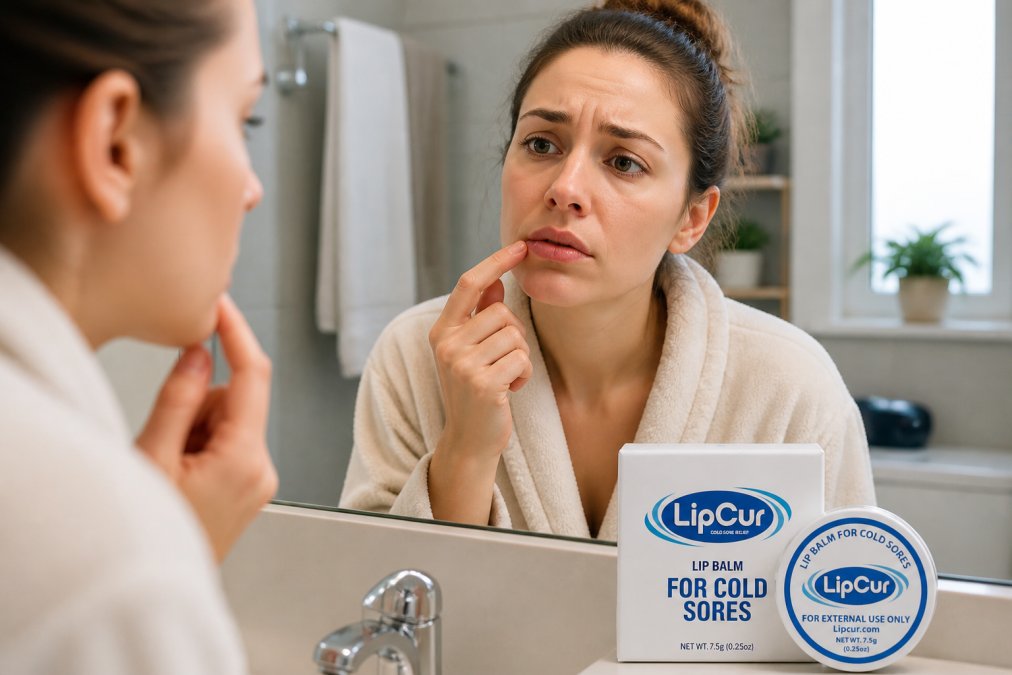
Cold Sore Triggers List: What Causes Outbreaks to Reappear
Knowing what causes your outbreaks is more valuable than any treatment. Most people have 2-3 dominant triggers that account for 80% of their outbreaks.
Stress and emotional factors are the single most frequent trigger. When your body experiences stress, your immune system weakens temporarily, creating an opening for the dormant virus to reactivate. Many people notice cold sores appear within 24-48 hours of a major stressful event.
Hormonal fluctuations trigger outbreaks in many women. The menstrual cycle causes predictable immune changes, and some women get cold sores consistently during the same phase of their cycle. Pregnancy, hormonal birth control changes, and menopause can all shift your outbreak frequency.
UV radiation and sun exposure remain a significant trigger, especially for people who spend time outdoors. UV rays directly damage the skin's barrier and suppress local immune function. This is why cold sores often appear after beach trips or ski vacations.
Fatigue and illness suppress your immune system, making viral reactivation more likely. A poor night of sleep, the flu, or any systemic illness can trigger an outbreak.
Nutritional deficiencies play an overlooked role. Low levels of lysine, zinc, or vitamin D correlate with higher outbreak frequency in some people. Correcting these deficiencies sometimes reduces recurrence rates significantly.
Temperature extremes trigger outbreaks in some people. Cold, dry winter weather is particularly common, hence the name "cold sores." The combination of cold air, low humidity, and indoor heating dries out your lips and compromises skin integrity.
Immune system suppression from any cause makes reactivation more likely. This includes autoimmune conditions, certain medications, HIV, or chemotherapy.
Spend a few weeks tracking when you get cold sores and what was happening before. You'll usually spot the pattern.
How Long Do Cold Sores Last: Timeline and Healing Stages
Most cold sores follow a predictable progression from first symptom to complete healing (the CDC).
The prodromal stage lasts 24-48 hours before any visible sore appears. You feel tingling, burning, or itching at the site. This is your window of opportunity, starting treatment during this stage can reduce severity and duration dramatically.
Blister formation occurs over the next 2-3 days. Fluid-filled blisters form on the skin, highly contagious with millions of viral particles in the fluid.
Crusting and scabbing begins around day 4-5. The blisters rupture and drain, leaving painful sores that crust over. Picking at the crust delays healing and increases infection risk.
Healing and epithelialization takes place over days 6-10. The crust gradually falls away as new skin forms underneath. Complete healing typically takes 7-10 days total.
Treatment timing makes a dramatic difference. Starting antiviral medication or topical relief during the prodromal stage can shorten total duration by several days. Starting after blisters form still helps, but the benefit is smaller.
How to Stop Cold Sore Tingling Before It Becomes Visible
The prodromal tingling stage is your critical window. If you can stop the outbreak during this 24-48 hour window, you can prevent the visible sore entirely or reduce it to barely noticeable.
Recognize the sensation early. Most people get cold sores in the same spot repeatedly. Learn what the tingling feels like for you, often described as a burning sensation, sharp pins-and-needles feeling, or intense itching. Pay attention to these early warnings.
Apply treatment immediately. The moment you feel prodromal tingling, start using an antiviral topical treatment or begin oral antiviral medication. Speed matters enormously at this stage. LipCur is specifically formulated to work during this critical window, delivering fast-acting relief that helps stop outbreaks and heal within 24 hours when applied at first tingle.

Keep the area clean and dry. Wash your hands before touching the area, and avoid spreading the virus to other parts of your face or other people.
Avoid triggering behaviors. If stress triggered the tingling, practice stress-reduction techniques immediately. If sun exposure was the trigger, get out of the sun and apply sunscreen. Address the underlying trigger while treating early symptoms.
Consider preventive medication. If you recognize prodromal symptoms regularly, ask your healthcare provider about prophylactic antiviral therapy during high-risk periods.
Immune System Suppression and Viral Reactivation
Your immune system is the primary force keeping HSV-1 dormant. When immunity weakens, the virus reactivates.
Cellular immunity and CD8+ T cells are your body's main defense against HSV-1 reactivation. These specialized immune cells patrol your nerve tissue and suppress viral replication. When they're depleted or dysfunctional, the virus can escape and cause an outbreak.
Stress hormones suppress immunity. When you experience stress, your body releases cortisol and other stress hormones that temporarily suppress immune function. The effect is dose-dependent: minor stress causes minor immune suppression, while severe or chronic stress causes more significant dysfunction.
Sleep deprivation directly increases outbreak risk. During sleep, your body repairs immune function and produces antibodies against dormant viruses. Poor sleep reduces these protective mechanisms.
Nutritional status affects immune strength. Deficiencies in zinc, vitamin D, vitamin C, and lysine all impair immune function. Your immune system requires adequate nutrition to maintain its defenses.
Autoimmune conditions and immunosuppressive medications create chronic immune suppression. People with HIV, lupus, or other autoimmune conditions often experience more frequent and severe cold sores.
Strengthening your immune system reduces cold sore frequency. Prioritize sleep, manage stress, maintain good nutrition, and treat any underlying health conditions.
Medical Treatments and Antiviral Medications That Work
Multiple evidence-based treatments can reduce cold sore severity and duration.
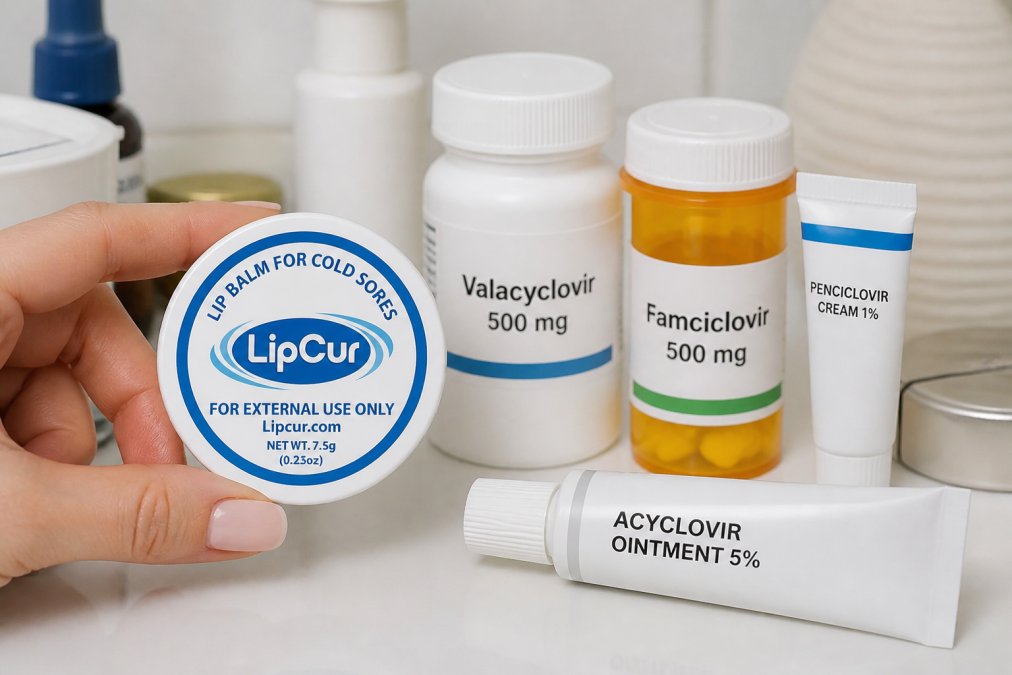
Oral antiviral medications are among the most effective treatments available. Acyclovir, valacyclovir, and famciclovir are prescription antivirals that reduce viral replication and can shorten outbreak duration by 1-2 days if started during the prodromal stage. For people with frequent outbreaks, some healthcare providers recommend prophylactic dosing during high-risk periods.
Topical antiviral creams like acyclovir or penciclovir provide localized treatment. These work best when applied early and frequently. They're available over-the-counter and by prescription. The advantage is direct application with minimal systemic side effects; the disadvantage is they're less effective than oral medications for severe outbreaks.
Topical pain relievers and numbing agents reduce discomfort but don't shorten healing time. Products containing benzocaine or hydrogen peroxide provide temporary relief during painful stages.
Specialized formulations like LipCur combine multiple therapeutic approaches in a single product. LipCur's fast-acting formula is designed to work within 24 hours by delivering targeted relief during critical early stages, preventing itching and tingling while promoting faster healing.
Lysine supplementation shows modest benefit for some people. Taking lysine orally (1-3 grams daily) or applying it topically may reduce outbreak frequency and severity, particularly in people with documented lysine deficiency.
Sunscreen and lip protection prevent UV-triggered outbreaks. Using SPF 30+ lip balm daily reduces outbreak frequency significantly for people sensitive to UV radiation.
The most effective approach combines early recognition of prodromal symptoms with immediate treatment.
When to See a Doctor About Recurring Cold Sores
Most cold sores resolve on their own within 7-10 days and don't require medical attention. However, certain situations warrant professional evaluation.
See a healthcare provider if outbreaks are frequent. If you're experiencing more than 4-6 outbreaks per year, professional evaluation is worthwhile. Your provider can assess whether you have underlying immune suppression, nutritional deficiencies, or other treatable causes, and discuss prophylactic antiviral therapy.
Seek medical care if outbreaks are severe or unusually large. Some people experience severe, extensive outbreaks that cover large areas or cause significant systemic symptoms.
Contact a healthcare provider if you have signs of secondary infection. If your cold sore develops increased redness, warmth, swelling, pus, or drainage beyond normal clear blister fluid, bacterial superinfection may have occurred.
See a provider if you have eye symptoms. Rarely, HSV-1 can spread to the eye, causing herpes keratitis. If you develop eye pain, redness, or vision changes during an outbreak, seek immediate medical attention.
Seek evaluation if you're immunocompromised. If you have HIV, are undergoing chemotherapy, have had an organ transplant, or take immunosuppressive medications, discuss cold sore management with your healthcare provider.
Contact a provider if outbreaks interfere with quality of life. If cold sores are causing significant psychological distress or affecting your work or social life, professional guidance can help.
Most people successfully manage recurring cold sores with self-care, early treatment, and trigger management.
Cold sores keep returning because the virus never truly leaves your body, but that doesn't mean you're helpless. By understanding your triggers, recognizing early symptoms, and treating quickly, you can dramatically reduce outbreak frequency and severity. LipCur provides the fast-acting relief you need during those critical early hours, helping you stop outbreaks before they become visible and get back to your normal life within 24 hours. When you feel that first tingle, reach for a treatment designed to work at the speed your outbreak demands.
Frequently Asked Questions
Q: How do I stop cold sores from coming back repeatedly?
A: Cold sores keep returning because HSV-1 remains dormant in nerve cells even after healing. You cannot eliminate the virus entirely, but you can reduce recurrence by identifying your personal triggers, managing stress, protecting your lips from UV radiation, and using antiviral medications like acyclovir or valacyclovir at the first sign of symptoms. Starting treatment during the prodromal stage (tingling sensation) is most effective. LipCur Cold Sore Relief works within 24 hours to stop outbreaks and help you heal when applied early.
Q: Can you permanently stop cold sores from returning?
A: No, you cannot permanently eliminate cold sores once infected with HSV-1, as the virus remains latent in nerve ganglia. However, you can significantly reduce outbreak frequency and severity through consistent prevention strategies: managing stress, avoiding UV exposure, maintaining adequate sleep, and taking antiviral medications during prodromal symptoms. Some people experience fewer outbreaks as they age due to stronger immune responses. Fast treatment with products like LipCur can minimize visible symptoms and healing time.
Q: What am I lacking if I get cold sores frequently?
A: Frequent cold sores often signal nutritional deficiencies, particularly in lysine, zinc, and B vitamins, which support immune function and skin integrity. Chronic stress, inadequate sleep, and hormonal fluctuations (especially during menstrual cycles) can suppress immune system function, allowing HSV-1 to reactivate from latent infection. Systemic illness and certain medications that compromise immunity also increase outbreak risk. If you experience more than 6 outbreaks per year, consult a healthcare provider to rule out underlying immune suppression.
Q: Does treatment like LipCur work if the cold sore is already visible, or do I need to catch it early?
A: LipCur works best when applied during the prodromal stage (tingling sensation), but it also accelerates healing even after blister formation occurs. Early application during the tingling phase helps stop outbreaks and heal within 24 hours. If you miss the prodromal window, applying LipCur during the blister or crusting stage still reduces redness, prevents secondary infection, and promotes faster skin integrity recovery. The key is starting treatment as soon as you notice any symptoms, even if you're unsure whether an outbreak is developing.
This article was written using GrandRanker