

Table of Contents
- Understanding Cold Sore Tingling: The Prodromal Stage
- How to Stop a Cold Sore From Forming
- Antiviral Treatments That Work During the Tingling Stage
- Natural Ways to Heal Cold Sores and Soothe Tingling
- How Long Do Cold Sores Last and When to Expect Relief
- Pain Management and Preventing Spread
- When to See a Doctor
- Conclusion
Last Updated: August 23, 2026
Understanding Cold Sore Tingling: The Prodromal Stage
The tingling sensation before a cold sore appears is called the prodromal stage, your body's earliest warning sign of a herpes simplex virus outbreak. This tingling typically lasts a few hours to a day before the blister forms. The sensation occurs because the virus is replicating in nerve cells beneath your skin's surface, triggering inflammation and nerve irritation you perceive as itching, burning, or numbness.

Recognizing this early tingling stage is crucial because it's your window of opportunity to treat cold sore tingling most effectively. Once you feel that first tingle, you have a narrow but real chance to stop the outbreak before it progresses to painful blistering and scabbing. During this phase, the virus hasn't yet broken through the skin barrier, making topical treatments far more effective than they'll be once blistering begins.
How to Stop a Cold Sore From Forming
The best way to stop a cold sore from forming is to act during the prodromal tingling stage, before the blister appears. Start by cleaning the area gently with soap and water, then apply your chosen treatment immediately. Speed is more important than which specific product you select, the goal is to reduce inflammation, support your immune response, and create an environment where the virus struggles to replicate.
Many people try to wait out the tingling, hoping it will resolve on its own. This rarely works. By contrast, people who treat immediately during the tingling stage often see the outbreak stop entirely or reduce to a tiny, barely noticeable bump that heals within days.
The key to stopping a cold sore from forming is consistency. Apply your chosen treatment every 2-3 hours during the first 24 hours of tingling. Don't skip applications, the virus doesn't take breaks, and neither should your treatment protocol.
Antiviral Treatments That Work During the Tingling Stage
Antiviral treatments are the most effective pharmaceutical approach to treating cold sore tingling at home. These medications work by inhibiting the virus's ability to replicate, addressing the root cause of the outbreak rather than just masking symptoms.
Over-the-Counter Antiviral Creams
Over-the-counter antiviral creams contain active ingredients like aciclovir or docosanol that penetrate the skin and interfere with viral replication. Apply a thin layer to the affected area every 2-3 hours, starting the moment you feel tingling. Many people see visible results within 24-48 hours when they start treatment early.
LipCur Cold Sore Relief is specifically formulated to deliver fast-acting relief during the tingling stage. The gentle, soothing formula works within 24 hours to stop the outbreak and prevent the uncomfortable itching and tingling that characterizes early cold sore development. Many users report that applying LipCur at the first sign of tingling prevents the full blister from forming entirely.
When to Consider Prescription Options
Prescription antiviral medications like valaciclovir or famciclovir offer stronger systemic antiviral action than topical creams (peer-reviewed research). These oral medications are absorbed into your bloodstream and circulate throughout your body, attacking the virus from the inside. They're particularly useful for people who experience frequent outbreaks or who have a compromised immune system.
Prescription options make sense if you have more than 6 outbreaks per year, if your outbreaks are severe or prolonged, or if you have a condition that weakens your immune response. Speak with a healthcare provider about whether prescription antivirals make sense for your situation.
Natural Ways to Heal Cold Sores and Soothe Tingling
Many people prefer to complement pharmaceutical treatments with natural approaches or rely on natural remedies as their primary strategy.
Cold Compresses and Ice Therapy
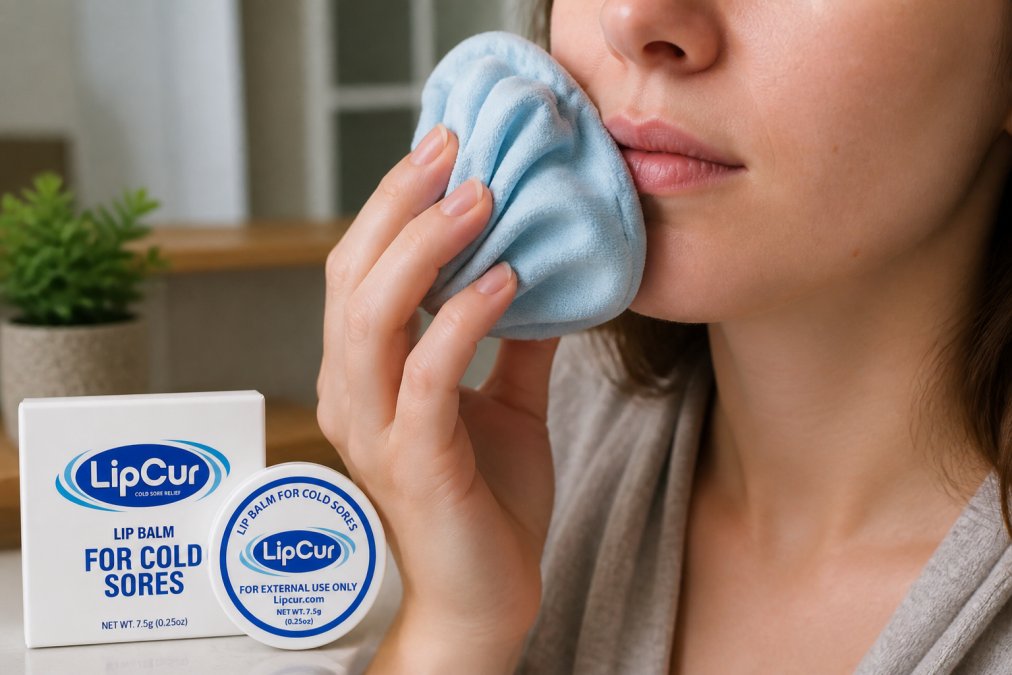
Applying cold to the tingling area provides immediate relief and reduces inflammation by numbing nerve endings and constricting blood vessels. Ice or a cold compress applied for 10-15 minutes at a time can be repeated every hour during the acute tingling phase. Wrap ice in a clean cloth rather than applying it directly to your skin.
Aloe Vera and Topical Soothing Agents
Aloe vera has natural anti-inflammatory and antimicrobial properties that support skin healing. The gel can be applied directly to the tingling area and provides a soothing sensation while reducing redness and inflammation. Other natural topical agents with similar benefits include honey and tea tree oil. Apply these substances 2-3 times daily throughout the outbreak, ensuring cleanliness before and after application.
Hydration and Nutrition During an Outbreak
Your immune system requires adequate hydration and proper nutrition to fight the viral infection effectively. Aim for at least 8-10 glasses of water daily during an active outbreak. Lysine, an amino acid found in chicken, eggs, and legumes, supports antiviral activity (peer-reviewed research). During an outbreak, emphasize lysine-rich foods while reducing arginine intake (found in nuts, seeds, and chocolate). Vitamin C, vitamin D, and zinc also support immune function. Prioritize sleep, as your immune system does much of its work during rest.
How Long Do Cold Sores Last and When to Expect Relief
If you treat during the prodromal tingling stage with an effective antiviral treatment, you may see the outbreak stop entirely or reduce to minimal symptoms within 24-48 hours (peer-reviewed research). If the outbreak has already progressed to the blister stage, a typical cold sore lasts 7-10 days from formation to complete healing.
Using LipCur Cold Sore Relief during any stage of the outbreak can accelerate this timeline. The fast-acting formula helps heal cold sores within 24 hours by reducing inflammation, supporting skin repair, and preventing the itching and tingling that characterizes prolonged outbreaks.
The prodromal tingling stage typically lasts 6-24 hours. If you treat successfully during this window, the outbreak may be aborted entirely. If tingling progresses to visible blistering, expect the full outbreak to last 7-10 days with proper treatment, or up to 2-3 weeks without treatment.
Pain Management and Preventing Spread
Managing Pain and Itchiness
The itchiness and tingling of a cold sore can be maddening. Use topical pain relievers specifically formulated for cold sores, or apply a cold compress for 10-15 minutes to numb the area temporarily. Oral pain relievers like ibuprofen or acetaminophen can reduce systemic inflammation.
Avoid acidic foods like citrus fruits, tomatoes, and spicy foods, which can trigger sharp pain when they contact the sore. Soft, cool foods like yogurt and smoothies are easier to consume. Drinking through a straw can help you avoid direct contact between food and the affected area.
Hygiene Protocols to Stop Transmission
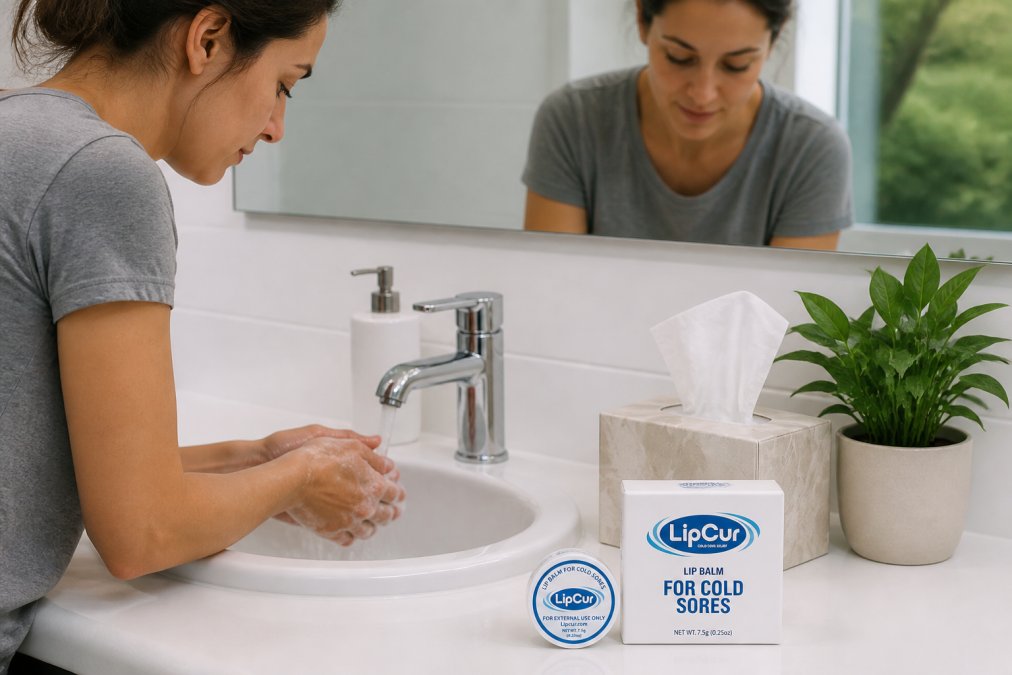
Cold sores are contagious from the moment tingling begins until the scab has completely fallen off. Never share lip balm, toothbrushes, eating utensils, towels, or razors with others during an outbreak. Wash your hands frequently, especially after touching the sore. Don't kiss others or engage in oral contact until the sore has completely healed.
Change your toothbrush after the outbreak resolves, as the old brush may harbor viral particles. Wash any towels or cloth items that contacted the sore in hot water. Remember that the virus can spread to other areas of the body if you touch the sore and then touch your eyes, genitals, or other mucous membranes.
When to See a Doctor
Most cold sores resolve on their own or with home treatment within 7-10 days. However, contact a healthcare provider if you experience severe pain that over-the-counter pain relievers don't control, if the sore shows signs of secondary bacterial infection (increasing redness, warmth, pus, or swelling), or if the outbreak is unusually large or in an unusual location.
People with compromised immune systems should see a doctor at the first sign of tingling. If you experience cold sores more than 6 times per year, discuss prevention strategies with your healthcare provider. Pregnant women should consult their healthcare provider before using any cold sore treatment. If you develop symptoms of herpes gladiatorum (unusually widespread blistering) or if the outbreak is accompanied by fever, swollen lymph nodes, or systemic symptoms, seek medical attention promptly.
Treating cold sore tingling at home is most effective when you act fast and stay consistent. The moment you feel that first tingle, reach for your treatment supplies and begin applying antiviral therapy every 2-3 hours. LipCur Cold Sore Relief delivers fast-acting relief that stops outbreaks in their tracks, helping you heal within 24 hours while preventing the uncomfortable itching and tingling that characterize cold sore development. The gentle, soothing formula repairs and protects your skin, giving you the confidence to get back to your life without the distraction of a visible cold sore. Shop Now and keep LipCur on hand for the moment tingling begins.
Frequently Asked Questions
What does it mean if your cold sore is tingling?
Tingling is the prodromal stage, the first sign that the herpes simplex virus is reactivating. This sensation occurs before the blister appears and is your window to treat cold sore tingling early. Acting during this stage can reduce the severity and duration of the outbreak. The tingling typically lasts a few hours to 24 hours before progression to the blister phase.
Can you prevent a cold sore from forming once you feel the tingle?
Yes, early intervention is your best defense. Applying an antiviral cream like LipCur Cold Sore Relief ($24.95) or prescription antivirals during the tingling stage can stop progression or significantly reduce blister formation. The key is acting immediately when you notice the first tingling sensation. Even if a small blister forms, early treatment can cut healing time substantially.
What are the most effective natural ways to heal cold sores?
Cold compresses numb the area and reduce inflammation. Aloe vera soothes irritation and supports the skin barrier. Staying hydrated helps your immune system fight the viral infection. Avoiding acidic foods and soft foods prevent additional irritation. Stress management and adequate sleep strengthen immune response. While these support healing, combining them with antiviral treatment delivers faster results than natural remedies alone.
How long do cold sores typically last from tingling to complete healing?
The full healing process typically spans 7-10 days. The tingling stage lasts hours to a day, followed by blister formation (2-3 days), then crusting and scabbing (3-4 days), and finally skin repair. Early antiviral treatment during tingling can compress this timeline significantly. LipCur is designed to help you heal within 24 hours when applied at the first sign of symptoms.
This article was written using GrandRanker