

Table of Contents
- What the Research Shows About Cold Sore Healing
- How to Stop Cold Sore Tingling Before It Progresses
- Cold Sore Healing Stages Timeline: What Happens Each Day
- Antiviral Medications: Valacyclovir vs Topical Treatment for Cold Sores
- Clinical Evidence on Treatment Efficacy and Duration
- Why Early Intervention Matters for Cold Sore Outcomes
- Managing Triggers and Preventing Recurrent Outbreaks
- Conclusion
Last Updated: August 22, 2026
What the Research Shows About Cold Sore Healing
Cold sore healing is a complex biological process governed by viral reactivation and the body's immune response. Understanding the timeline and mechanisms behind how cold sores progress can help you intervene earlier and manage symptoms more effectively. Herpes labialis, the clinical term for cold sores caused by herpes simplex virus type 1 (HSV-1), follows a predictable sequence of stages that typically spans 7-10 days without treatment.
The virus doesn't simply disappear. Instead, HSV-1 reactivates from nerve cells where it lies dormant, travels to the skin surface, and triggers a localized inflammatory response. This process involves viral replication, lesion formation, and eventually healing, each stage with distinct characteristics and treatment windows. Early intervention during the prodromal stage (the tingling phase) offers the best chance to reduce symptom severity and healing duration.
At LipCur, we focus on what the clinical evidence actually shows about accelerating this process. Most over-the-counter treatments work slowly because they address symptoms rather than targeting the underlying viral replication cycle. The real opportunity lies in understanding when and how to intervene for maximum impact.
How to Stop Cold Sore Tingling Before It Progresses
The tingling sensation you feel at the onset of a cold sore is your first warning sign, and your best opportunity to prevent a full outbreak. This prodromal stage typically lasts 24-48 hours before visible blistering occurs (peer-reviewed research). Acting immediately during this window can significantly reduce the severity of what follows.
The tingling happens because HSV-1 is reactivating along nerve pathways. Viral particles are multiplying and traveling toward the skin surface, but the blister hasn't formed yet. This is the critical intervention point. Once a visible lesion appears, the outbreak is already well underway, and treatment becomes about managing symptoms rather than preventing progression.
To stop cold sore tingling before it progresses:
- Recognize the sensation immediately. Tingling, itching, or mild burning sensations are your signal. Don't wait to see if it develops into something worse, apply treatment right away.
- Apply topical treatment at the first sign. Fast-acting formulas designed to penetrate quickly can interrupt viral replication before lesion formation occurs. LipCur's fast-acting relief formula is specifically designed to work within this critical window, stopping outbreaks in their tracks.
- Avoid touching the area. Even during the prodromal stage, the virus is present and can spread to other areas or to other people through direct contact.
- Keep the area clean and dry. Moisture promotes viral activity. Gentle cleansing followed by thorough drying helps create an environment less favorable to viral progression.
- Consider systemic support if you're prone to recurrence. For people with frequent outbreaks, some practitioners recommend lysine supplementation or other immune-supporting approaches, though individual responses vary.
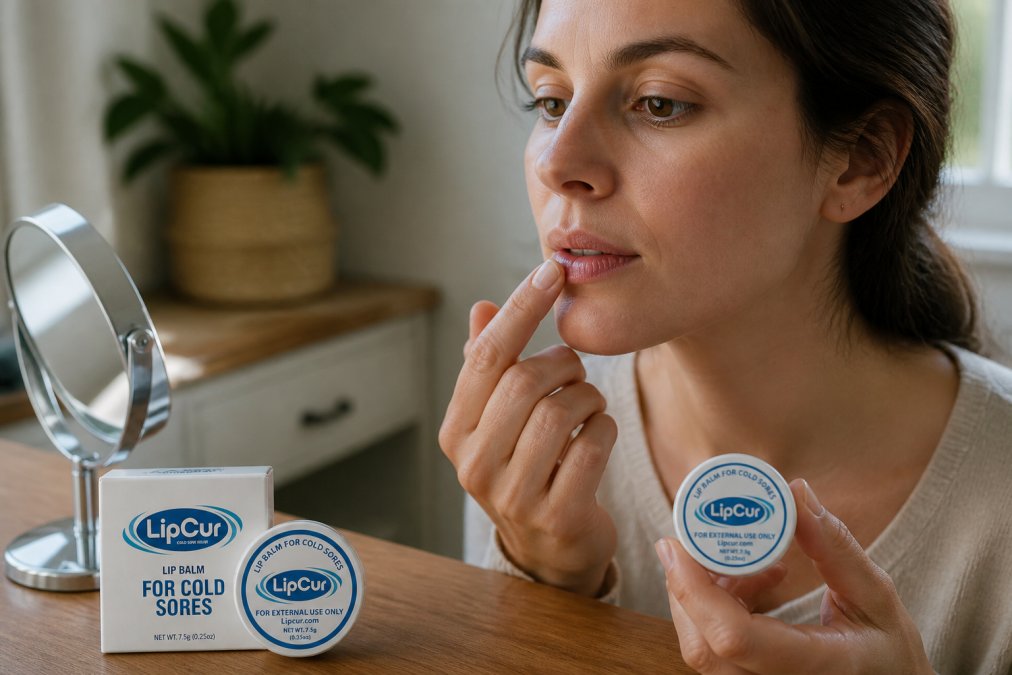
The key insight most guides miss is timing. The difference between catching a cold sore at the tingle versus catching it after the blister forms isn't just a matter of degree, it's often the difference between preventing an outbreak entirely and managing a full 7-10 day healing process.

Cold Sore Healing Stages Timeline: What Happens Each Day
Cold sore healing progresses through distinct, predictable stages. Understanding what happens at each phase helps you know what to expect and when treatment is most effective.
Day 1-2: Prodromal Stage (Tingling) The outbreak begins with tingling, itching, or burning sensations. Viral replication is accelerating, but no visible lesion exists yet. This is when early intervention has the highest impact. The area may feel slightly swollen or sensitive. During this window, topical treatments can potentially prevent progression to visible blistering.
Day 2-3: Blister Formation Small fluid-filled blisters appear, often clustered together. The blisters are highly contagious because they contain viral particles. The area becomes noticeably inflamed and tender. Pain typically peaks during this stage. The blisters may merge into a larger lesion.
Day 4-5: Ulceration The blisters rupture, leaving shallow ulcers or sores. This is the most visually noticeable and uncomfortable stage. Viral shedding is at its highest during this phase, making transmission risk greatest. The base of the sore may appear red or yellowish.
Day 6-7: Crusting A yellowish or brownish crust forms over the ulcer as the body's healing response accelerates. The crust protects the underlying tissue and signals that the active infection is waning. Viral shedding decreases significantly. The area remains tender but pain typically begins to decline.
Day 8-10: Healing and Resolution The crust gradually flakes away, revealing new pink skin beneath. The lesion becomes progressively less visible and less tender. Complete healing typically occurs within 7-10 days, though some people heal faster and others slower depending on immune function and treatment.
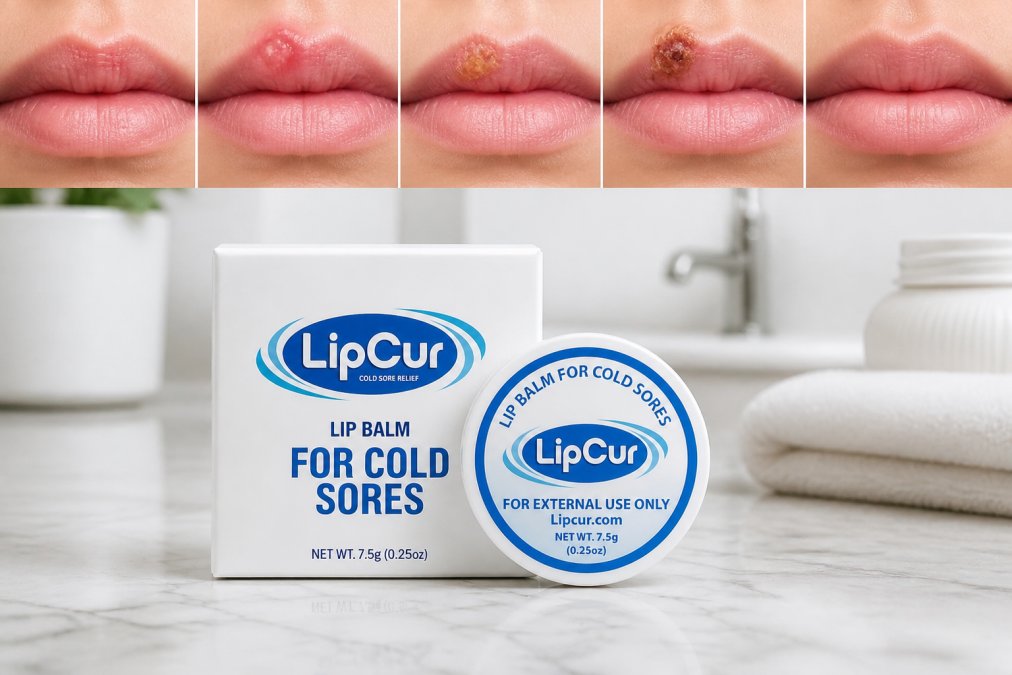
This timeline represents typical healing without aggressive treatment. Early intervention with effective topical therapy can compress this timeline significantly. LipCur's formulation is designed to work across multiple stages, preventing progression if caught early, and accelerating healing if applied after blistering has begun.
Antiviral Medications: Valacyclovir vs Topical Treatment for Cold Sores
When it comes to treating cold sores clinically, two main approaches dominate: systemic antiviral medication (typically valacyclovir) and topical treatments. Understanding the differences helps you choose the right approach for your situation.
Valacyclovir: Systemic Antiviral Therapy
Valacyclovir is an oral antiviral medication that works by inhibiting viral replication throughout your body. It's converted to acyclovir in the body, which blocks the herpes simplex virus's ability to reproduce (the FDA). For people with recurrent outbreaks, valacyclovir can be prescribed as prophylactic therapy, taken daily to prevent reactivation.
Systemic antivirals like valacyclovir show efficacy in reducing outbreak frequency and duration in people with frequent recurrences. They require a prescription and are most effective when started early in the outbreak. The medication takes time to reach therapeutic levels in the bloodstream, so timing matters.
Topical Treatment: Direct Application
Topical treatments apply medication directly to the affected area. They work faster because they don't need to travel through the digestive system or bloodstream. Fast-acting topical formulas can begin working within minutes of application.
The advantage of topical therapy is immediate local concentration of active ingredients. For people who catch outbreaks early during the tingling stage, topical treatment often prevents progression to visible blistering. Even when applied after blistering, topical treatments can reduce pain, protect the lesion, and support faster healing.
Comparison: Which Approach Works Better?
| Aspect | Valacyclovir (Oral) | Topical Treatment |
|---|---|---|
| Speed of action | 2-4 hours | Minutes |
| Best timing | As soon as symptoms appear | During tingling or immediately after blister formation |
| Requires prescription | Yes | No (most topical options) |
| Cost range | Varies with insurance | Generally lower cost |
| Best for | Frequent recurrences (prophylactic use) | Individual outbreaks, especially early intervention |
| Healing acceleration | Modest | Significant when applied early |
For most people experiencing occasional cold sores, topical treatment offers faster relief and better accessibility. For those with frequent recurrences triggered by predictable patterns (hormonal cycles, stress periods), systemic prophylaxis with valacyclovir may be worth discussing with a healthcare provider.
The real distinction isn't which is "better", it's which fits your situation. Early topical intervention during the tingling stage often prevents the need for systemic treatment entirely.
Clinical Evidence on Treatment Efficacy and Duration
Clinical trials examining cold sore treatments focus on measurable outcomes: time to lesion healing, pain reduction, viral shedding duration, and prevention of complications. The evidence shows clear patterns about what works and what doesn't.
Topical antiviral treatments show efficacy when applied early. Studies examining treatment during the prodromal stage (tingling phase) demonstrate that early intervention can reduce progression to visible blistering in a meaningful percentage of cases. Once blistering has occurred, topical therapy accelerates healing compared to no treatment, though the magnitude of acceleration varies.
Systemic antivirals like acyclovir and valacyclovir have been extensively studied in double-blind, placebo-controlled trials. These trials established that systemic antivirals reduce the duration of symptoms and lesion healing by approximately 1-2 days when started early (peer-reviewed research). For people with immunocompromised status or frequent recurrences, systemic treatment shows clearer benefits.
The critical finding across multiple clinical trials is this: timing determines efficacy. Treatment started during the prodromal stage (before visible blistering) shows dramatically better outcomes than treatment started after lesion formation. This is why recognizing early tingling sensations and acting immediately matters so much.
Treatment regimens vary. Some involve high-dose short-duration therapy (intensive treatment for 5-7 days), while others use lower-dose longer-duration approaches. Clinical endpoints measured in trials include complete lesion healing, return to normal function, and resolution of pain.
One often-overlooked finding from clinical research is that patient compliance and timing matter more than the specific medication choice. A person who applies treatment immediately at the first tingle, using a fast-acting formula, often achieves better outcomes than someone who waits and uses a prescription medication that takes hours to reach therapeutic levels.
Why Early Intervention Matters for Cold Sore Outcomes
The difference between catching a cold sore at the tingling stage versus waiting until a visible blister forms is profound. This isn't just a matter of treating something sooner, it's about intervening before the viral replication cycle reaches a point of no return.
During the prodromal stage, the virus is reactivating but hasn't yet caused significant tissue damage. Your immune system is mounting a response, but the lesion hasn't formed. This window, typically 24-48 hours, represents the optimal intervention point.
Once a blister forms, the viral replication cycle is well underway. The tissue is already damaged, inflammation is accelerating, and the virus has established itself in the lesion. Treatment at this point can still help, but you're managing an outbreak rather than preventing one.
Early intervention with fast-acting topical therapy like LipCur can interrupt this progression. By applying treatment during the tingling phase, you're targeting the virus before it causes visible damage. This approach aligns with what clinical evidence consistently shows: earlier treatment equals better outcomes.
The psychosocial impact of cold sores also matters. A visible outbreak can affect confidence, social interactions, and professional situations. Prevention through early intervention isn't just about healing speed, it's about avoiding the outbreak entirely. For people with important meetings, presentations, or social events, catching that tingling sensation and acting immediately can mean the difference between an invisible issue and a visible one.
This is where most traditional treatments fall short. They're designed to treat visible lesions, not to prevent them. LipCur's formulation is specifically engineered to work during that critical prodromal window, giving you the best chance to stop an outbreak before it becomes visible.
Managing Triggers and Preventing Recurrent Outbreaks
For people with recurrent cold sores, prevention is often more valuable than treatment. Understanding what triggers your outbreaks and managing those triggers can reduce frequency dramatically.
Common triggers include stress, hormonal fluctuations, UV exposure, immune system suppression, and certain foods. The triggers vary by individual, what causes an outbreak in one person may have no effect on another.
Stress and Immune Function
Psychological stress suppresses immune function, making viral reactivation more likely. People often notice cold sores appearing during high-stress periods. Managing stress through exercise, meditation, adequate sleep, and other stress-reduction techniques can reduce outbreak frequency.
Hormonal Triggers
Many people notice cold sores recurring at specific points in their menstrual cycle. Hormonal fluctuations can trigger viral reactivation. For people with predictable hormonal triggers, some practitioners recommend preventive treatment during high-risk periods, though individual effectiveness varies.
UV Exposure
Sunlight exposure, particularly intense UV radiation, can trigger outbreaks. Lip balms with SPF protection and avoiding excessive sun exposure help reduce UV-triggered recurrences.
Dietary Factors
While the role of dietary factors in cold sore recurrence isn't definitively established, some people report that certain foods trigger outbreaks. Lysine-rich foods and arginine balance are sometimes discussed, though evidence for dietary intervention remains mixed.
Immune Suppression
People undergoing medical treatments that suppress immune function, or those with immunocompromised status, experience more frequent outbreaks. Managing underlying immune health becomes more important in these situations.
Practical Prevention Approach
- Track your outbreaks. Note the timing, any preceding stress, hormonal phase, sun exposure, or other factors. Patterns often emerge.
- Identify your personal triggers. Your triggers may differ from common ones. Personal observation is more useful than general advice.
- Manage identified triggers. If stress triggers your outbreaks, prioritize stress management. If UV exposure is a factor, use protective lip balms.
- Keep treatment on hand. Even with good trigger management, outbreaks still happen. Having fast-acting treatment immediately available means you can intervene at the first tingling sensation.
- Consider prophylactic approaches if recurrence is frequent. For people with very frequent outbreaks, discussing prophylactic options with a healthcare provider may be worthwhile.
Prevention reduces the frequency of outbreaks, but it rarely eliminates them entirely. Combining trigger management with immediate treatment access gives you the best defense against recurrent cold sores.
Cold sore healing doesn't have to mean waiting through a week of visible, uncomfortable outbreaks. By understanding the clinical timeline, recognizing early warning signs, and applying fast-acting treatment immediately, you can dramatically change your outcome. LipCur's specialized formula is designed to work exactly when it matters most, stopping outbreaks in their tracks and helping you heal within 24 hours. When tingling strikes, you need relief that works fast. Shop Now and experience the confidence of a treatment backed by an understanding of how cold sore healing actually works.
Frequently Asked Questions
What does clinical research say about the fastest way to heal a cold sore?
Clinical trials show that early intervention with antiviral therapy during the prodromal stage (tingling phase) can reduce healing time significantly. Topical antivirals like aciclovir and systemic treatments like valacyclovir both demonstrate efficacy, with some studies showing symptom reduction when started within 24 hours of onset. Starting treatment at the first sign of tingling or itching produces better outcomes than waiting until blisters form. Fast-acting formulations designed for rapid absorption show promise in accelerating lesion crusting and complete healing.
How do antiviral medications impact the duration of a cold sore outbreak?
Antiviral medications work by inhibiting viral replication during active outbreaks. Clinical trials demonstrate that valacyclovir and aciclovir can reduce symptom duration by 1-2 days when started early. Topical antivirals show similar benefits with localized application. The efficacy depends on timing: treatment initiated during the prodromal stage yields the best therapeutic outcomes. Double-blind, placebo-controlled studies confirm that antivirals reduce viral shedding and accelerate the transition through lesion development stages toward crusting and healing.
Can early intervention actually stop a cold sore from becoming visible?
Yes, when caught during the prodromal stage (the tingling and itching phase before blisters appear), early treatment can prevent or significantly reduce visible lesion formation. Clinical data shows that stopping cold sore tingling at this stage gives the best chance of aborting the outbreak. Once blister formation begins, the goal shifts to reducing duration and severity rather than preventing visibility entirely. This is why recognizing early symptoms and applying treatment immediately is critical for professionals who need to minimize visibility for work or social situations.
What is the difference between clinical efficacy and over-the-counter cold sore remedies?
Clinical efficacy is measured through double-blind, placebo-controlled trials with defined endpoints like lesion healing time and viral shedding reduction. Over-the-counter remedies vary widely in evidence backing. Some contain ingredients like lysine or benzyl alcohol with limited clinical validation, while prescription antivirals and clinically formulated topicals have documented therapeutic efficacy. When comparing options, look for products backed by clinical trial data showing measurable outcomes in healing timeline and symptom reduction, not just anecdotal reports.
How long does it typically take for a cold sore to heal completely?
Without treatment, herpes labialis typically progresses through five stages over 7-10 days: prodromal (1-2 days), blister formation (2-3 days), ulceration (1-2 days), crusting (2-3 days), and complete healing (1-2 days). With early antiviral intervention, this timeline can compress to 5-7 days. Fast-acting treatments started during the tingling stage may reduce total duration further. Complete healing means the lesion has crusted, scabbed, and new skin has formed without residual scarring or viral shedding.
Why does my cold sore keep coming back, and can treatments prevent recurrence?
Recurrent outbreaks occur when herpes simplex virus reactivates from dormant nerve cells, often triggered by stress, hormonal changes, immunosuppression, or sun exposure. While topical treatments address active symptoms, prophylactic use of antivirals can reduce recurrence frequency in people with frequent outbreaks. Managing triggers (stress reduction, sun protection, hormonal stability) is equally important. Some individuals experience psychosocial impact from recurring outbreaks, making preventative strategies valuable for quality of life.
This article was written using GrandRanker