

Table of Contents
- Understanding Hormonal Cold Sore Outbreaks
- How Long Do Cold Sores Last Without Treatment
- Prescription Cold Sore Medication for Hormonal Triggers
- Fast-Acting Topical Treatments for Immediate Relief
- Preventing Recurrent Cold Sores: Proactive Strategies
- When to See a Doctor About Recurring Outbreaks
- Conclusion
Last Updated: August 10, 2026
Understanding Hormonal Cold Sore Outbreaks
Hormonal cold sore outbreaks are reactivations of herpes simplex virus (HSV-1) triggered by fluctuations in estrogen, cortisol, and other hormones that compromise your immune system's ability to keep the virus dormant. When hormones shift, whether due to menstrual cycles, menopause, stress, or medical treatments, the virus breaks through your body's defenses and causes painful blisters on your lips or mouth.
Your immune system relies on a delicate balance of hormonal signals to maintain viral suppression. When that balance shifts, HSV-1 reactivates from nerve cells where it lies dormant, traveling to the skin surface during the prodromal stage (that tingling or itching sensation before the blister appears).
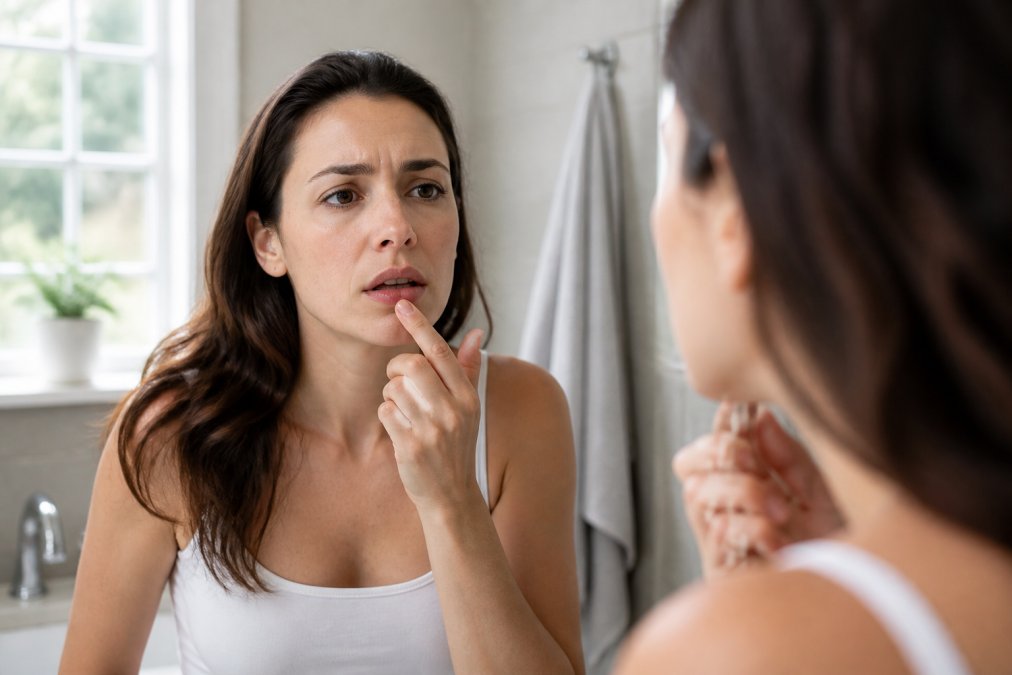
How hormones trigger HSV-1 reactivation
Your immune system's ability to suppress HSV-1 depends heavily on T-cell function, which is regulated by hormonal signals. Estrogen plays a critical role in immune regulation. During the luteal phase of the menstrual cycle (when estrogen drops), many women experience increased cold sore recurrence.
Cortisol, your body's primary stress hormone, also suppresses immune function when elevated. Chronic stress keeps cortisol levels high, exhausting your immune system and allowing dormant HSV-1 to reactivate. The prodromal stage, that initial tingling or itching, occurs when the virus begins replicating in nerve endings before traveling to the skin surface. Catching the outbreak at this stage is critical, as early intervention can prevent the blister from forming or significantly reduce its severity.
Hormonal fluctuations during menopause create a particularly challenging environment for HSV-1 suppression. Declining estrogen levels combined with elevated cortisol from hot flashes and sleep disruption create a perfect storm for recurrent outbreaks.
Estrogen, cortisol, and the prodromal stage
The prodromal stage is your window of opportunity. Most people experience 12-24 hours of tingling, burning, or itching before a visible blister appears. This is when the antiviral response is most effective.
Estrogen influences the production of interferon, a key antiviral protein your immune system uses to fight HSV-1. When estrogen dips, interferon production drops, and the virus gains ground. Cortisol amplifies this problem by suppressing T-cell activity directly.
If you know your outbreaks cluster around specific points in your cycle or during high-stress periods, you can prepare. Maintaining an antiviral treatment on hand during vulnerable windows and recognizing the prodromal stage early makes the difference between a severe outbreak and one that never fully develops.
How Long Do Cold Sores Last Without Treatment
Cold sores typically last 7-10 days without treatment, though this varies based on your immune function and outbreak severity. The timeline breaks into distinct phases: prodromal stage (12-24 hours of tingling), blister formation (2-3 days), ulcer stage (3-4 days of open sore), crusting (2-3 days), and healing (1-2 days for the crust to fall off).
Duration depends heavily on when you intervene. If you treat during the prodromal stage, before the blister forms, you can often prevent the outbreak entirely or reduce it to a small, barely visible lesion that heals in 2-3 days. If you wait until a full blister has formed, you're looking at the full 7-10 day cycle.
Hormonal cold sore outbreaks often take longer to heal because the hormonal imbalance that triggered the reactivation persists throughout the outbreak. A woman mid-cycle with elevated cortisol may see an outbreak drag on for 10-12 days, while someone with stable hormones might clear it in 7 days.
Prescription Cold Sore Medication for Hormonal Triggers
Prescription antivirals are the gold standard for managing hormonal cold sore outbreaks because they directly interfere with viral replication. The three most commonly prescribed options are acyclovir, valacyclovir, and famciclovir. Each works by blocking the enzyme the virus uses to copy its DNA.
Antiviral options: acyclovir, valacyclovir, and famciclovir
Acyclovir is the oldest and most established antiviral. Oral acyclovir (typically 400-800 mg taken 4-5 times daily for 7-10 days) is effective but requires frequent dosing.
Valacyclovir is an improved version with better oral bioavailability. The standard dose is 1,000 mg three times daily for 7 days during an outbreak, or 500 mg once or twice daily for suppressive therapy. Many people find valacyclovir more convenient because it requires fewer daily doses.
Famciclovir is similarly effective and is dosed at 250 mg three times daily during an outbreak. Some people tolerate it better than valacyclovir, though effectiveness is comparable.
All oral antivirals work best when started during the prodromal stage. For hormonal triggers specifically, many dermatologists recommend keeping a prescription on hand so you can start treatment the moment you feel the first tingle.
Suppressive therapy vs. episodic treatment
For people with frequent hormonal outbreaks, suppressive therapy is a game-changer. Instead of treating each outbreak as it happens, you take a low daily dose of antiviral year-round. Typical suppressive regimens are acyclovir 400 mg twice daily, valacyclovir 500 mg once daily, or famciclovir 250 mg once daily.
Suppressive therapy is particularly useful if you experience outbreaks more than once or twice a year, or if your outbreaks are triggered by identifiable hormonal events. The downside is cost and long-term medication, but many people find the peace of mind worth it.
Episodic treatment means taking antivirals only when you feel an outbreak starting. This is less expensive and doesn't require daily medication, but it requires you to recognize the prodromal stage quickly and have medication available immediately.
Fast-Acting Topical Treatments for Immediate Relief
Topical treatments applied directly to the cold sore provide localized relief and can speed healing, especially when combined with oral antivirals. Most over-the-counter topicals are occlusive but don't actively fight the virus.
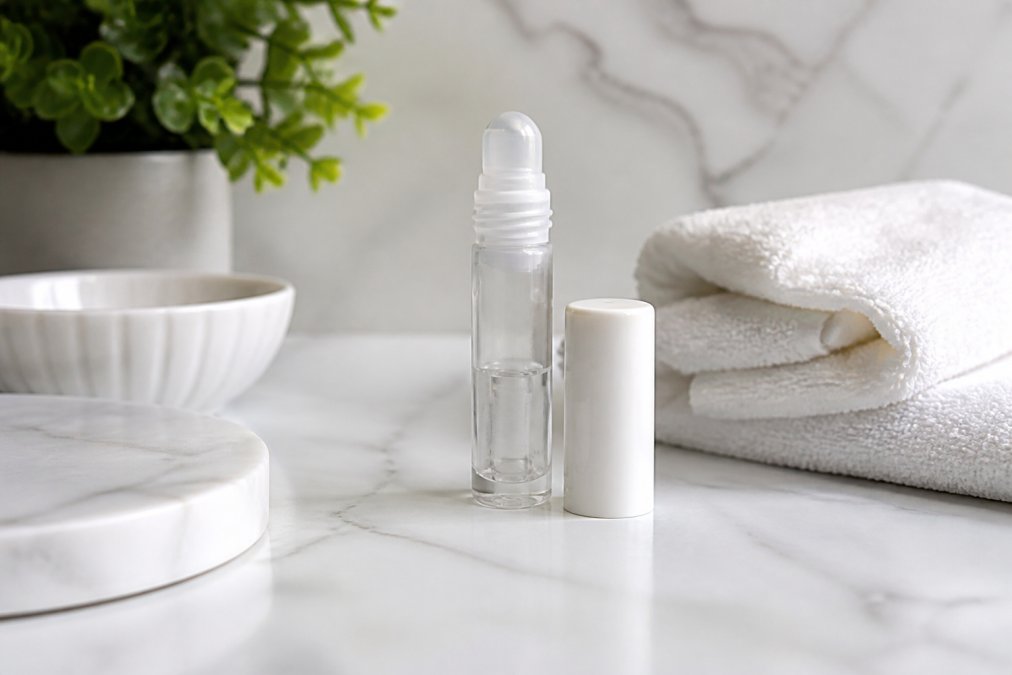
Why LipCur works faster than standard ointments
LipCur is specifically formulated for people with recurrent hormonal cold sores. Unlike basic petroleum jelly or zinc oxide products, LipCur combines active ingredients designed to reduce prodromal symptoms (tingling and itching) while supporting faster healing.
LipCur's formulation helps prevent uncomfortable itching and tingling while repairing and protecting your skin, delivering faster symptom resolution and reduced visibility.
For hormonal triggers specifically, this matters because outbreaks often come at inconvenient times. LipCur is designed for people who need rapid, effective relief. When applied early, many users report that LipCur stops outbreaks in their tracks. One verified buyer noted: "I was skeptical when I got the sample but decided to give it a go. My sore stayed small and was gone completely in two days. It never got itchy or tingly or anything."
Preventing Recurrent Cold Sores: Proactive Strategies
Preventing hormonal cold sore outbreaks requires managing the hormonal and stress triggers that reactivate HSV-1 and supporting your immune system so it can suppress the virus effectively.
Stress management and immune support
Chronic stress keeps cortisol elevated, which directly suppresses your immune system's ability to keep HSV-1 dormant. Practical stress management includes:
- Sleep prioritization: Aim for 7-9 hours nightly. Sleep deprivation elevates cortisol and impairs T-cell function.
- Regular movement: Exercise reduces cortisol and supports immune function. 30 minutes of moderate activity most days helps.
- Mindfulness or meditation: Even 10-15 minutes daily reduces cortisol and improves immune regulation.
- Social connection: Maintaining close relationships supports immune health.
Your immune system also needs specific nutrients to suppress HSV-1 effectively. Vitamin D, zinc, and lysine are particularly important. Vitamin D deficiency is directly linked to increased HSV-1 reactivation. Zinc supports T-cell function. Lysine is an amino acid that competes with arginine (which the virus prefers) and has evidence supporting its role in reducing outbreak frequency.
Proactive supplementation and lifestyle adjustments
Proactive supplementation means starting immune support before an outbreak occurs. For people with predictable hormonal triggers:
- During vulnerable windows: If your outbreaks cluster around your period, start supplementing with vitamin D, zinc, and lysine 3-5 days before your expected vulnerable window and continue through it.
- Arginine avoidance: Foods high in arginine (nuts, seeds, chocolate, certain grains) can trigger outbreaks. During high-risk periods, reduce intake.
- Consistent supplementation: Some people find that maintaining baseline vitamin D and zinc year-round reduces overall outbreak frequency.
- Hydration and nutrition: A diet rich in antioxidants supports immune function better than processed foods.
When to See a Doctor About Recurring Outbreaks
Most cold sores resolve on their own or with topical and oral antiviral treatment. However, certain situations warrant professional evaluation.
See a doctor if:
- You experience more than 6 outbreaks per year (candidate for suppressive therapy)
- Outbreaks are unusually severe, widespread, or accompanied by systemic symptoms (fever, swollen lymph nodes, difficulty swallowing)
- The outbreak is in or near your eye (ocular herpes requires immediate medical attention)
- You're immunocompromised and develop a cold sore
- Outbreaks last longer than 2 weeks despite treatment
- You develop signs of secondary bacterial infection (increasing redness, warmth, pus, or spreading)
- You're pregnant and experiencing your first outbreak
A dermatologist can confirm the diagnosis, assess whether suppressive therapy is appropriate, and explore whether an underlying hormonal condition is contributing to your outbreaks. For most people with occasional hormonal cold sores, home management with LipCur and oral antivirals is sufficient.
Hormonal cold sore outbreaks are manageable once you understand the mechanism. The combination of stress reduction, immune support, and fast-acting treatment gives you real control over recurrence. When outbreaks do occur, catching them during the prodromal stage and treating with an effective topical like LipCur can prevent a full blister from forming or reduce healing time dramatically. For people who experience frequent hormonal triggers, LipCur's fast-acting formula makes it an ideal choice for reliable relief. Get started with LipCur and experience how effective targeted treatment can be, many users see results within 24 hours.
| Phase | Duration | What's Happening | Best Time to Treat |
|---|---|---|---|
| Prodromal | 12-24 hours | Tingling, itching, burning; virus replicating in nerve | Immediately, this is your window |
| Blister Formation | 2-3 days | Fluid-filled blister appears; peak viral shedding | Within first 12 hours of blister appearance |
| Ulcer Stage | 3-4 days | Blister ruptures; open sore forms | Focus on preventing secondary infection |
| Crusting | 2-3 days | Crust forms over the ulcer; virus stops shedding | Prevent crust from cracking |
| Healing | 1-2 days | Crust falls off; new skin forms | Protect with topical treatment |
Frequently Asked Questions
How do hormonal changes trigger cold sore outbreaks?
Hormonal fluctuations, particularly drops in estrogen during menstrual cycles or menopause, suppress immune function and reactivate the herpes simplex virus. Elevated cortisol from stress further weakens your immune system's ability to keep HSV-1 dormant. This combination creates ideal conditions for the virus to replicate and cause outbreaks. If you notice cold sores clustering around your menstrual cycle, hormonal triggers are likely at play.
How long do cold sores last if left untreated?
Untreated cold sores typically last 7-10 days from the tingling sensation through complete healing. The timeline breaks down as: prodromal stage (1-2 days), blister formation (2-3 days), ulcer stage (2-3 days), and crusting/healing (2-3 days). Starting treatment at the first sign of tingling can cut this duration significantly. LipCur is designed to work within 24 hours when applied early, stopping progression before visible blisters form.
What prescription cold sore medication works best for hormonal outbreaks?
Acyclovir, valacyclovir, and famciclovir are the FDA-approved antivirals for HSV-1. For hormonal outbreaks, dermatologists often recommend suppressive therapy (daily low-dose antiviral) rather than episodic treatment, since hormonal triggers are predictable. Valacyclovir 500 mg daily is common for prevention. A dermatologist can determine whether episodic treatment at the first tingling or daily suppression suits your outbreak pattern better.
Can I prevent hormonal cold sores from coming back?
Complete prevention is difficult, but you can significantly reduce frequency and severity. Strategies include stress management (cortisol reduction), consistent immune support, tracking your outbreak patterns against your menstrual cycle, and starting treatment at the prodromal stage (tingling). For frequent outbreaks tied to predictable hormonal events, prophylactic antivirals or daily topical use of LipCur can prevent visible sores from developing. Consult a dermatologist about your specific pattern.
This article was written using GrandRanker