

Table of Contents
- Blistex vs Orajel: Key Differences at a Glance
- Understanding Cold Sore Symptoms and Treatment Stages
- How to Heal a Cold Sore in 24 Hours: Treatment Approach
- Best Over-the-Counter Cold Sore Treatment: Blistex Analysis
- Best Over-the-Counter Cold Sore Treatment: Orajel Analysis
- Preventing Cold Sore Itching and Tingling: What Actually Works
- When to See a Doctor vs. Treating at Home
- Which Treatment Should You Choose?
Last Updated: August 28, 2026
Blistex vs Orajel: Key Differences at a Glance
When a cold sore strikes, the choice between Blistex vs Orajel depends on your outbreak stage and relief priority. Blistex focuses on barrier protection and healing support, while Orajel emphasizes numbing discomfort through topical anesthetic action. Neither product heals a cold sore in 24 hours, but both can reduce pain, support healing, and prevent worsening if started early. The difference lies in how they work and when they work best in the outbreak cycle.
At LipCur, we've analyzed how people actually use these products. Most reach for whatever is closest when symptoms start, but timing and product selection genuinely matter. A numbing product works best for painful blisters. A healing-support product works better if you catch the outbreak during its earliest tingling stage.
Understanding Cold Sore Symptoms and Treatment Stages
Cold sores progress through distinct phases, and the product you choose should match where you are in that progression.
The Prodrome Phase and Early Intervention
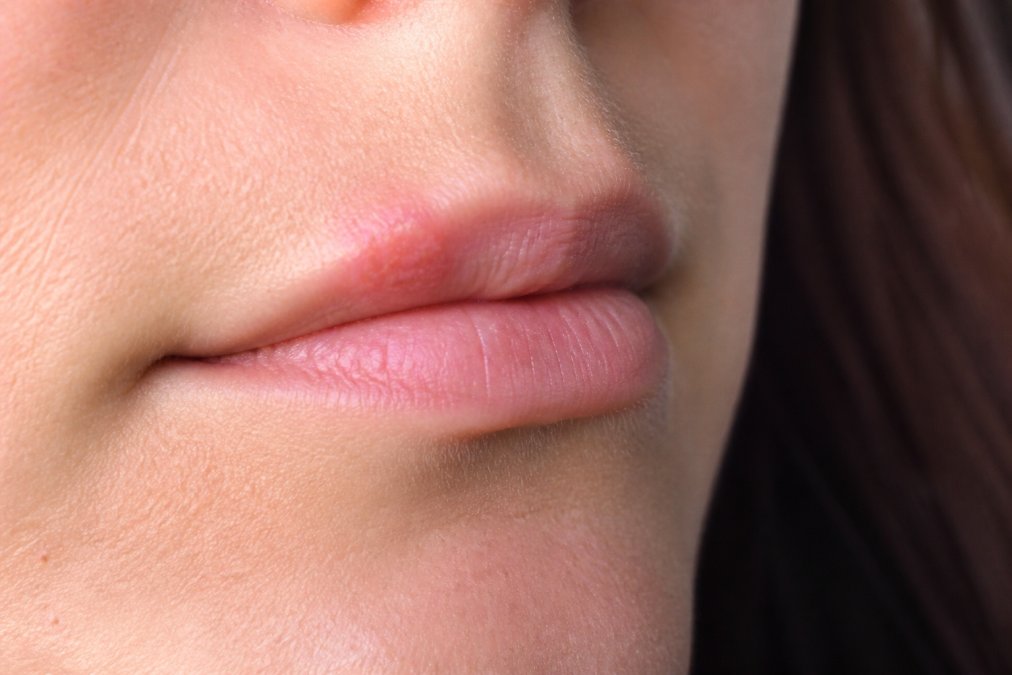
The prodrome phase is your window of opportunity. This is when you feel tingling, burning, or itching on your lip, but no visible sore has formed yet. This stage typically lasts 24 to 48 hours before blisters appear (peer-reviewed research). If you intervene during prodrome, you have the best chance of preventing a full outbreak or significantly reducing its severity.
During prodrome, the herpes simplex virus is replicating beneath the skin surface. This is when antiviral action matters most. Products with docosanol work best here because they can potentially block viral replication before visible damage occurs. Blistex contains ingredients that support your skin's natural barrier and provide antiviral support. Orajel focuses on numbing, which helps with discomfort but doesn't address underlying viral activity. If you catch the outbreak during prodrome and want to minimize progression, Blistex is the stronger choice.
Active Blister Stage vs. Healing Phase
Once blisters form, your priority shifts from prevention to pain management and preventing secondary infection. The viral replication is already well underway, so antiviral intervention becomes less effective.
This is where Orajel shines. The benzocaine in Orajel provides topical anesthetic relief, numbing the burning sensation and making eating, drinking, and talking less painful. Blistex, while still useful for barrier protection, doesn't address acute pain as effectively.
The healing phase begins around day 5 or 6, when the blister starts to crust over. Both products can support healing at this point, but neither will dramatically speed it up. Most cold sores take 7 to 10 days to fully heal, regardless of topical treatment (the CDC).
How to Heal a Cold Sore in 24 Hours: Treatment Approach
The claim that any topical treatment heals a cold sore in 24 hours is misleading. What's possible is stopping progression, reducing pain, and preventing complications. Start treatment immediately when you feel the first tingle. Consistency matters more than the specific product. Applying your chosen treatment every few hours, as directed, keeps the area protected and medicated.
Active Ingredients That Speed Healing
Docosanol is an antiviral ingredient that prevents the virus from entering healthy cells. It's most effective during the prodrome phase. Blistex includes docosanol in some formulations, making it stronger for early intervention.
Benzocaine is a topical numbing agent that doesn't speed healing but reduces pain significantly. Orajel relies heavily on benzocaine. If pain is your main concern, benzocaine delivers fast relief.
Allantoin is a skin-conditioning agent that may support healing by promoting moisture retention and skin repair. Phenol and menthol provide cooling sensations and mild antiseptic action.
Docosanol is the strongest antiviral option available over-the-counter, which is why starting treatment early with a docosanol-containing product gives you the best shot at preventing severe symptoms.
Application Frequency and Consistency
Most over-the-counter cold sore treatments recommend application every 3 to 4 hours while awake. This frequency matters because active ingredients wear off through eating, drinking, and natural lip moisture. A common mistake is applying once in the morning and expecting results. Set reminders on your phone to reapply every few hours, especially during the first 48 hours.
Clean your hands before and after application. Cold sores are contagious, and you don't want to spread the virus to other parts of your face or to other people.
Best Over-the-Counter Cold Sore Treatment: Blistex Analysis
Blistex positions itself as a preventive and healing-focused option with decades of reputation for lip care products.
Blistex Formulation and Mechanism
Blistex cold sore treatments typically include docosanol as the active antiviral ingredient, combined with moisturizing agents like lanolin and aloe. Docosanol works by interfering with the viral envelope, making it harder for the herpes simplex virus to infect healthy cells. This mechanism is most effective before blisters form, during the critical prodrome phase.
The moisturizing components prevent the sore from drying out excessively, which can prolong healing and increase discomfort. Blistex products are ointment-based, which means they stay on your lip longer than creams, providing overnight protection but a greasier feel during the day.
Blistex Pros and Cons
Pros:
- Contains docosanol, an antiviral ingredient effective during early stages
- Ointment base provides long-lasting barrier protection
- Widely available and affordable
- Good option if you catch the outbreak during prodrome
Cons:
- Doesn't provide numbing or pain relief
- Ointment consistency can feel greasy
- Once blisters form, antiviral benefit diminishes
- Requires frequent reapplication throughout the day
Best Over-the-Counter Cold Sore Treatment: Orajel Analysis
Orajel prioritizes pain relief over antiviral action. If your cold sore is already painful and visible, Orajel addresses the symptom bothering you most.
Orajel Formulation and How It Works
Orajel cold sore products contain benzocaine, a topical anesthetic that numbs the affected area by blocking nerve signals. The benzocaine concentration is typically 20%, strong enough to provide meaningful relief without a prescription.
The numbing effect begins within minutes and typically lasts 2 to 3 hours (the FDA). Apply it before eating, drinking, or social situations where you want to minimize discomfort. Some Orajel formulations also include allantoin for healing support. The cream base is less greasy than ointments and easier to apply during the day.
Orajel Pros and Cons
Pros:
- Benzocaine provides fast, effective numbing within minutes
- Cream base is less greasy and more cosmetically acceptable
- Good for managing pain during the active blister stage
- Widely available without a prescription
Cons:
- No antiviral action
- Only addresses pain, not healing
- Numbing effect is temporary (2 to 3 hours)
- Less effective if used during prodrome
- Some people find benzocaine causes mild irritation
Preventing Cold Sore Itching and Tingling: What Actually Works
The itching and tingling during prodrome is caused by inflammation and viral activity under the skin. Topical treatments can reduce the sensation but can't eliminate it entirely.
Start antiviral treatment immediately. Docosanol, if applied during prodrome, can reduce tingling severity and potentially prevent blisters. Cold, clean compresses can also reduce tingling temporarily by numbing the area and reducing inflammation slightly. Apply for 10 to 15 minutes at a time, several times a day.
Avoid triggers that intensify itching: don't pick at the area, avoid spicy or acidic foods, and don't use lip balms with menthol or camphor. If itching is unbearable, a low-dose hydrocortisone cream (1%) can reduce inflammation temporarily, but only use it for short periods after the blister stage begins.
When to See a Doctor vs. Treating at Home
Most cold sores resolve on their own with home treatment. See a doctor if:
- The sore is unusually large, painful, or spreading rapidly
- You have frequent outbreaks (more than six per year)
- The sore is near your eye or affecting your vision
- You have signs of secondary bacterial infection: pus, increasing redness, warmth, or swelling that worsens after day 3
- You have a weakened immune system
- The outbreak is accompanied by fever, swollen lymph nodes, or other systemic symptoms
- The sore hasn't improved after 10 days
For people with frequent outbreaks, prescription antivirals like acyclovir or valacyclovir can be more effective than over-the-counter options.
Which Treatment Should You Choose?
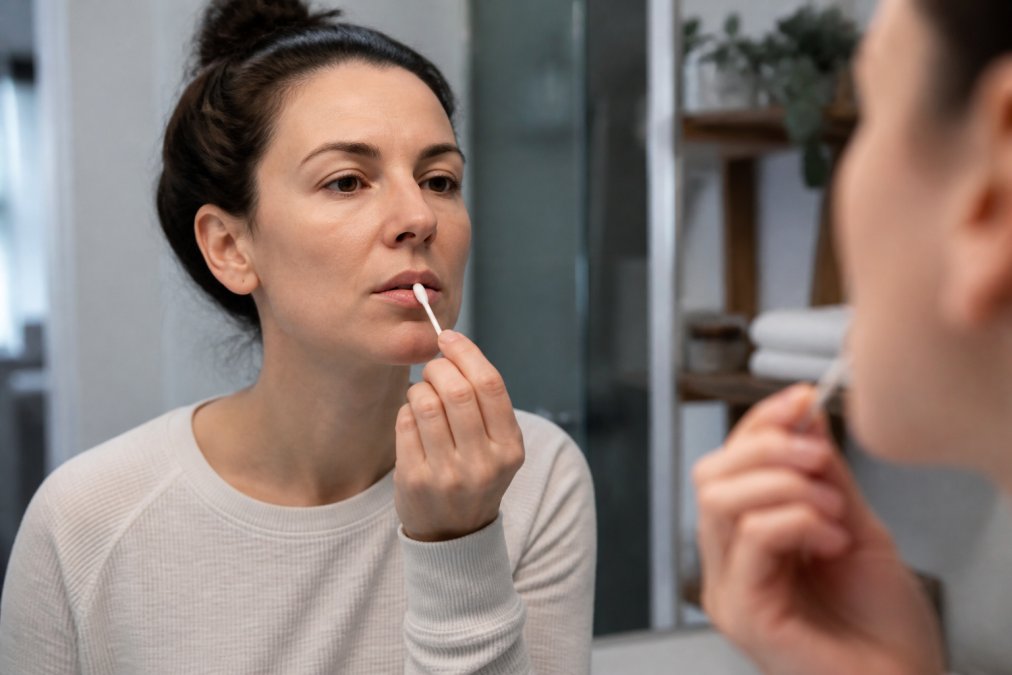
The choice between Blistex and Orajel depends on timing, symptom priority, and personal preference.
Choose Blistex if:
- You catch the outbreak during prodrome and want to prevent or minimize progression
- You prioritize healing support over pain relief
- You want antiviral action rather than just symptom management
Choose Orajel if:
- The blister stage is already underway and pain is your main concern
- You need relief before eating, drinking, or social situations
- You prefer a cream texture that's less noticeable on your lips
Neither product is dramatically superior. Blistex has a slight edge if you start early. Orajel has a slight edge if you're already in pain. Both require consistent application to be effective.
For people with recurring cold sores, the most effective approach is prevention: identify your triggers, manage stress, use sunscreen on your lips, and consider prescription antivirals if outbreaks are frequent.
LipCur offers a specialized alternative designed to work within 24 hours by combining fast-acting relief with healing support. If you've tried Blistex and Orajel without satisfactory results, or if you're looking for a product specifically engineered for rapid symptom resolution, LipCur's formula addresses the gaps that standard over-the-counter options leave.
The key takeaway: start treatment immediately when you feel the first symptom. Consistency and timing matter far more than which specific product you select. Apply every few hours as directed, avoid touching or picking the sore, and don't expect complete healing in 24 hours, but you can expect meaningful improvement in pain and progression within that timeframe.
Frequently Asked Questions
Does Blistex actually treat cold sores or just soothe them?
Blistex serves primarily as a protective barrier and symptom reliever rather than an antiviral treatment. It contains ingredients like camphor and menthol that provide temporary relief from burning sensation and tingling, while also protecting the sore from further irritation. For actual viral suppression, antiviral treatments work differently. Blistex is best used to manage discomfort and prevent the spread of infection through its protective formula.
What's the difference between Orajel for cold sores and Orajel for tooth pain?
Orajel's cold sore formulation is specifically designed for oral herpes treatment, while its dental pain products target toothache relief. The cold sore version contains benzocaine as a topical analgesic combined with other ingredients suited to fever blister healing, whereas dental formulations focus solely on numbing tooth pain. Using the wrong product reduces effectiveness, so check the label to ensure you're selecting the cold sore-specific formula.
Can I use Blistex or Orajel if I'm already in the middle of a full outbreak?
Both products work best when applied early, ideally during the prodrome phase when you feel tingling or itching. If you're already in the active blister stage, they can still provide symptom relief and protect the sore, but they're less likely to significantly shorten healing time. For established outbreaks, consistent application every few hours and keeping the area clean become more important than catching it early, though early intervention always yields better results.
How do Blistex and Orajel compare to prescription antiviral treatments?
Over-the-counter options like Blistex and Orajel focus on symptom management and temporary relief, while prescription antivirals such as docosanol work at the viral level to reduce healing time more substantially. Prescription treatments are typically recommended for severe, frequent, or immunocompromised cases. OTC products are more accessible and cost-effective for occasional outbreaks, but prescription options may provide faster healing for recurring cold sores or when early intervention is possible.
The difference between a cold sore that dominates your week and one you barely notice often comes down to how quickly you respond. Having an effective treatment on hand before symptoms start gives you the advantage. LipCur's fast-acting formula is designed for people who refuse to let a cold sore slow them down, delivering the rapid relief and healing support you need to move forward confidently.
This article was written using GrandRanker