

Table of Contents
- How Stress Triggers Cold Sores: The HSV-1 Connection
- Common Triggers for Cold Sores Beyond Stress
- Recognizing the Prodrome: Tingling and Early Warning Signs
- Cold Sore Treatment in 24 Hours: What Actually Works
- How to Hide a Cold Sore Fast When You Have Plans
- Stress Management for Cold Sore Prevention
- When to See a Doctor About Recurring Cold Sores
- Frequently Asked Questions
Last Updated: September 10, 2026
How Stress Triggers Cold Sores: The HSV-1 Connection
If you've noticed a cold sore appearing right before a big presentation or during a stressful week, that cold sores stress timing isn't a coincidence. The virus never leaves your body. Stress weakens your immune system's ability to keep the virus dormant, giving it an opening to reactivate.
Cold sores stress outbreaks follow a predictable biological pattern. HSV-1 establishes a latent infection in nerve cells and waits for your defenses to drop, then travels back to the surface and produces a visible sore.
Latent Infection and the Trigeminal Nerve
HSV-1 hides in clusters of nerve cells called nerve ganglia, specifically the trigeminal nerve serving your face and lips. Once infected, the virus stays there permanently in what's called a latent infection, not causing symptoms, but not gone either.
When reactivation occurs, the virus travels along the nerve pathway back to the skin's surface, producing the tingling, burning, and eventual blister at the same spot as before.
Cortisol and Immune System Suppression
Cortisol is your body's primary stress hormone and plays a direct role in cold sore reactivation. Under sustained stress, cortisol stays elevated, suppressing the parts of your immune response that normally keep HSV-1 in check.
Higher cortisol means weaker immune surveillance, giving the virus an easier path to reactivate. That's why outbreaks cluster around exam periods, work deadlines, or emotionally difficult stretches.
Common Triggers for Cold Sores Beyond Stress
Stress is the most commonly reported trigger, but far from the only one. Identifying your personal pattern is the fastest way to reduce outbreak frequency.
The most frequent triggers people report include:
- Physical exhaustion and lack of sleep
- Hormonal fluctuations, including menstrual cycles and pregnancy
- Fever or illness, which is why they're sometimes called fever blisters
- Sun exposure and windburn on the lips
- Injury to the lip area, including dental work or cosmetic procedures
- Certain foods high in arginine, like chocolate and nuts
- Immune-suppressing medications or treatments
Many overlap with stress: poor sleep and illness both raise cortisol and drain immune resources, compounding the effect.
Recognizing the Prodrome: Tingling and Early Warning Signs
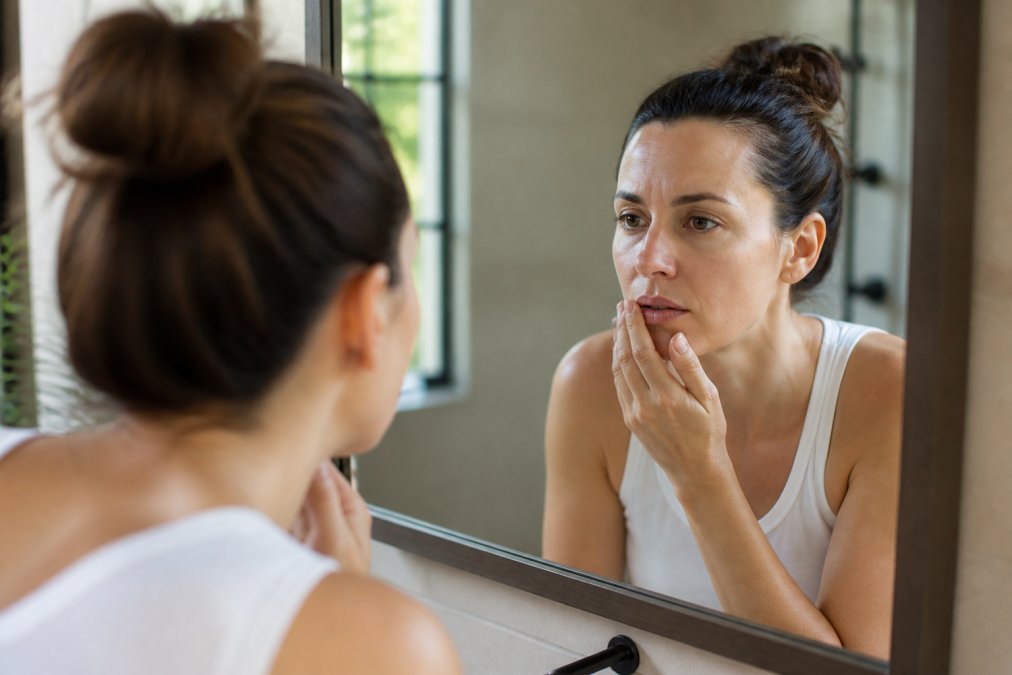
The prodrome is the earliest phase of a cold sore outbreak and your best, often only, window for meaningful intervention. It begins a few hours to a full day before any visible sore, as the virus travels back down the trigeminal nerve toward the skin's surface.
What the Prodrome Actually Feels Like
Descriptions vary, but the most commonly reported sensations include:
- Tingling or prickling at the spot where the sore will form, often the same location as previous outbreaks.
- Itching that feels deeper than a surface itch, sometimes described as being "under the skin."
- Burning or warmth localized to a small patch of the lip or surrounding skin.
- Tenderness when the area is touched, even before anything is visible.
- A faint raised area or slight swelling that's easier to feel than to see.
Some people also notice a mild sore throat, swollen lymph nodes, or fatigue beforehand, less common, but worth noting if they consistently precede your outbreaks.
Why Timing Matters More Than Treatment Choice
Once a blister forms, the virus has already replicated at the surface and healing takes seven to ten days (mayoclinic.org). Acting during the prodrome can shorten that timeline significantly and sometimes prevent the sore from fully forming.
That's why the prodrome window is the most important variable in outbreak management: treatment at the first tingle interrupts viral replication before the lesion establishes itself.
How to Train Yourself to Catch It Earlier
Most people miss the prodrome because they're not paying attention until they see something. You can train recognition:
- Note the location. HSV-1 reactivates along the same nerve pathway, so outbreaks recur in the same spot. Learn where yours appears.
- Check in during high-risk periods. In a stressful stretch, sleep-deprived, or getting over an illness, do a quick lip check morning and night.
- Log the sensation. Write down what it felt like and how long before the sore appeared. Patterns emerge within a few outbreaks.
- Keep treatment accessible. The window can be as short as a few hours, so keep treatment in your bag, car, and nightstand.
What to Do the Moment You Feel It
- Apply treatment immediately. Topical formulas for early-stage use work best at the first tingle; prescription antivirals should be started within 48 hours of symptom onset.
- Avoid touching the area. Hands spread the virus to other sites and other people.
- Skip shared lip products. No shared balms, cups, or utensils from the first tingle until the sore has fully healed.
- Reduce known triggers. In a high-stress stretch, prioritize sleep and scale back on arginine-heavy foods if you've noticed a pattern.
Cold Sore Treatment in 24 Hours: What Actually Works
Speed is everything with cold sores. Antiviral medication prescribed by a doctor can shorten outbreaks, while topical creams applied early can reduce severity. Timing matters more than the product alone.
This is where LipCur fits. Our fast-acting formula is designed to stop outbreaks in their tracks and help you heal within 24 hours when applied at the first sign of tingling. The gentle, soothing formula repairs and protects skin while preventing the itching and tingling associated with cold sores.

OTC active ingredients vary, and results depend on how quickly you apply them. Prescription antivirals work systemically, while topicals work at the surface, which is why early application is critical (peer-reviewed research).
| Approach | Best For | Timing Window | Typical Role |
|---|---|---|---|
| LipCur topical formula | Fast relief and healing within 24 hours | First tingle | Stops outbreak, repairs skin |
| OTC topical creams | Mild, early outbreaks | First tingle | Reduces severity |
| Prescription antivirals | Frequent or severe outbreaks | Within 48 hours | Systemic viral suppression |
| Home remedies | Comfort support | Any stage | Symptom relief only |
How to Hide a Cold Sore Fast When You Have Plans
Learning how to hide cold sore fast is a practical skill when you have a meeting, date, or event on the calendar. You can't make a sore vanish instantly, but you can reduce its visibility and speed its exit.
Keep the area clean and moisturized, dry, cracked skin looks worse and heals slower. A topical cream that protects the skin while it heals supports the healing process and creates a smoother, easier-to-conceal surface.
To cover it for an event, a small amount of skin-tone-matched concealer can work, apply gently with a clean brush and remove it thoroughly afterward. Never pick at a lesion or pop a blister; that spreads the virus, worsens the sore, and can leave scarring.
Cold sores are contagious from the first tingle until the sore has fully healed (the CDC). Avoid sharing cups, utensils, towels, or lip products during an outbreak, and wash your hands frequently.
Stress Management for Cold Sore Prevention
Stress management for cold sore prevention is the most underused tool in outbreak control, yet most advice stops at "try to relax." What helps is a structured approach targeting the cortisol surge that suppresses the immune cells keeping HSV-1 dormant.
Why Generic Relaxation Advice Fails
Cortisol doesn't drop just because you want it to. It responds to perceived threat, and for HSV carriers that threat is often chronic and low-grade: an overflowing inbox, a looming deadline, a difficult relationship. These keep immune surveillance depressed for days or weeks, the window when reactivation happens.
The goal isn't to eliminate stress. It's to shorten the duration of elevated cortisol so your immune system gets recovery windows.
Evidence-Based Techniques That Target the Cortisol Pathway
Slow, diaphragmatic breathing. Roughly six breaths per minute, a five-second inhale and exhale, activates the vagus nerve and shifts the nervous system toward parasympathetic dominance. Even five minutes lowers heart rate and tension. Use it before known stressors, not just during a crisis.
Cognitive behavioral therapy (CBT). CBT's core mechanism, identifying and reframing catastrophic thought patterns, reduces the perceived threat that drives cortisol release. For outbreaks clustered around performance anxiety or health worries, a structured CBT program can reduce baseline stress and acute spikes.
Mindfulness-based stress reduction (MBSR). The standard eight-week program combines meditation, body scanning, and gentle movement, and research shows reductions in perceived stress and inflammatory markers. The value is a daily practice that keeps baseline cortisol lower, so one bad day doesn't tip you into reactivation.
Sleep consistency as a stress intervention. Sleep and stress are bidirectional. A fixed bedtime and wake time, even on weekends, stabilizes the circadian rhythm governing cortisol release. Most adults need seven to nine hours; consistently below seven compounds the immune suppression stress already causes.
Moderate movement, not exhaustive training. Thirty to forty-five minutes of moderate aerobic activity most days supports immune regulation and lowers cortisol. Overtraining, intense endurance work without adequate recovery, raises cortisol and can trigger outbreaks.
Building a Personal Protocol
The most effective approach is stacking two or three techniques you'll actually do consistently:
- Daily baseline: 10 minutes of mindfulness or diaphragmatic breathing, plus a fixed sleep window.
- Pre-stressor prep: 5 minutes of slow breathing before a known high-pressure event (presentation, difficult conversation, exam).
- Weekly reset: One longer session, a 30-minute meditation, a long walk, or a CBT exercise, to process accumulated stress.
- Pattern tracking: Note outbreaks alongside major stressors so you can see which events reliably precede a sore and pre-empt them.
Nutrition as Immune Support During High-Stress Periods
Nutrition plays a supporting role. HSV-1 replication relies on arginine, while lysine appears to compete with it. Lysine-rich foods, yogurt, fish, chicken, legumes, cheese, may help tip the balance, while arginine-heavy foods, chocolate, nuts, seeds, gelatin, are worth moderating during stressful stretches.
Responses vary, but if you notice a pattern between arginine-heavy eating and outbreaks, adjusting intake during high-stress periods is a low-risk experiment. Pair it with hydration, consistent protein, and limited alcohol, which disrupts sleep and immune function.
When to See a Doctor About Recurring Cold Sores
Most cold sores resolve within a week or two, but see a doctor if outbreaks are frequent, severe, or slow to heal, or if you have a weakened immune system.
Professional evaluation is advised for sores that spread, last longer than two weeks, or come with fever and swollen lymph nodes.
If you get outbreaks every month or two, a doctor can assess whether a daily prescription antiviral might reduce frequency, especially if stress and hormonal fluctuations are triggers you can't remove from your life.
Cold sores that appear under stress signal that your immune system is stretched thin. Managing that pressure, catching outbreaks at the first tingle, and using a fast treatment makes the difference between a minor inconvenience and a week of discomfort. LipCur was built for exactly that moment: a gentle, soothing formula that stops outbreaks, helps heal cold sores within 24 hours, and prevents the itching and tingling that signal one is coming. Backed by 5.0/5.0 star reviews, it's the targeted solution for anyone tired of slow over-the-counter options. Get started with LipCur and get back to feeling like yourself again.
Frequently Asked Questions
What is the biggest trigger for cold sores?
Stress is the most commonly reported trigger for cold sore outbreaks, though it is not the only one. Research points to a combination of factors including psychological stress, physical exhaustion, illness, hormonal fluctuations, and sun exposure. When the immune system is suppressed by cortisol during stressful periods, the latent herpes simplex virus can reactivate along the trigeminal nerve and produce a visible sore. Identifying your personal pattern of triggers is the first step toward reducing outbreak frequency.
Do cold sores mean you are run down?
Not necessarily, but feeling run down often coincides with the conditions that allow a cold sore to emerge. Physical exhaustion, poor sleep, and elevated stress hormones can weaken the immune response enough for HSV-1 to reactivate. Many people notice cold sores appear during exam periods, after intense work deadlines, or following illness. If you get outbreaks frequently, tracking your stress levels and sleep quality alongside each episode can reveal a pattern worth discussing with a healthcare provider.
How do I stop a cold sore when I feel it coming on?
The prodrome phase, that tingling or itching sensation before a blister forms, is the best window to act. Start treatment at the first tingle to give yourself the best chance of shortening the outbreak. LipCur is designed for exactly this moment: apply it as soon as you notice symptoms, and it works to stop the outbreak from progressing. Customers like Carrie Clark reported her sore stayed small and was gone in two days with no itching or tingling after early use.
Can stress cause sores on lips?
Stress itself does not create the virus, but it can trigger a reactivation of HSV-1 that has been dormant in your nerve ganglia. When cortisol rises during prolonged stress, the immune system's ability to keep the virus suppressed weakens. The result is often a cold sore on or around the lips. Managing stress through sleep, exercise, and relaxation techniques can reduce how often these stress-induced outbreaks occur, and fast-acting treatment can limit how long each one lasts.