

Table of Contents
- What Clinical Data Reveals About Herpes Labialis
- Symptoms, Prodromal Stages, and Early Detection
- How to Stop Cold Sore Tingling: Evidence-Based Approaches
- Cold Sore Healing Time Statistics and Treatment Efficacy
- Antiviral Medication vs. Over-the-Counter Options
- Trigger Identification and Prevention Strategies
- Recurrence Patterns and Long-Term Management
- Conclusion
Last Updated: August 19, 2026
What Clinical Data Reveals About Herpes Labialis
Herpes labialis, the medical term for cold sores caused by herpes simplex virus type 1 (HSV-1), affects roughly one in four adults, with recurrence rates varying from occasional to chronic depending on viral latency and reactivation patterns. Clinical data shows most outbreaks follow predictable stages and respond to specific interventions based on timing and individual immune response.
Understanding what clinical evidence actually says about cold sores separates effective treatment from marketing claims. Research demonstrates that early intervention during the prodromal phase, when you feel tingling or burning but see no visible lesion, offers the greatest opportunity to reduce outbreak severity and duration. This window typically lasts 12 to 48 hours, and missing it means accepting a longer healing timeline.
LipCur represents the kind of targeted approach clinical data supports: fast-acting relief designed to stop outbreaks when caught early and help you heal within 24 hours. The brand's focus on addressing uncomfortable itching and tingling aligns with what practitioners know matters most during viral reactivation.
Symptoms, Prodromal Stages, and Early Detection
The prodromal phase reveals the greatest treatment opportunity. Most people experience 12 to 48 hours of warning signs before a visible lesion appears: tingling, burning, itching, or mild pain at the outbreak site. This occurs because herpes simplex virus is reactivating from latent nerve tissue and beginning viral replication.
Clinical observation shows that intervening during prodromal tingling produces dramatically different outcomes than waiting until vesicles form. At this stage, antiviral therapy and protective formulations can interrupt the cascade of events leading to full blister formation.
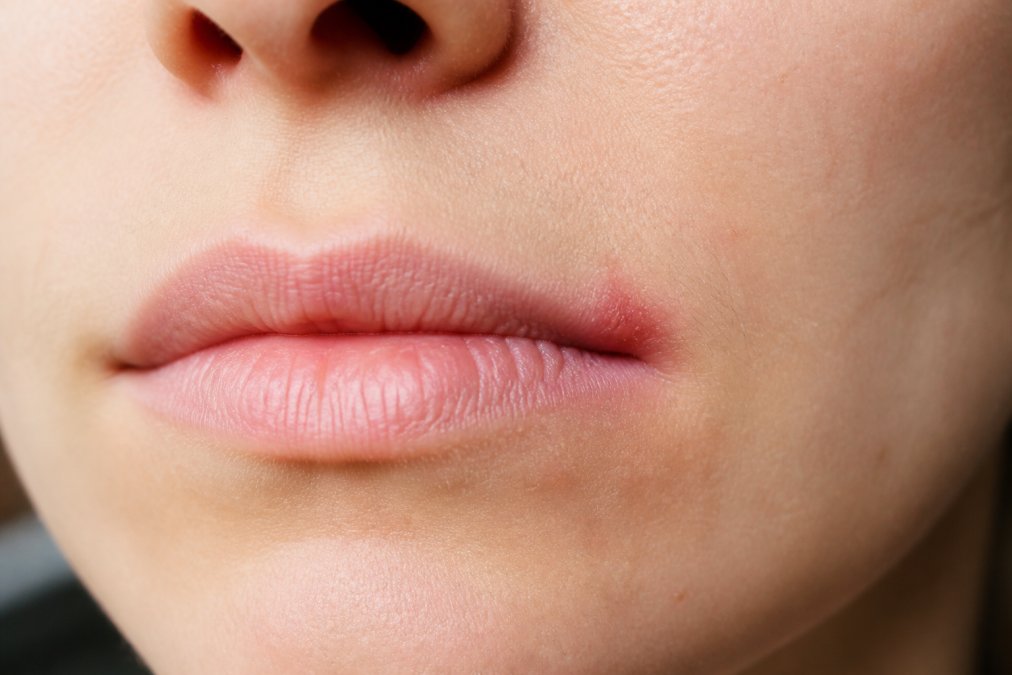
Once vesicles appear, small, fluid-filled blisters typically clustered on the lip border, the outbreak has progressed beyond the prodromal window. The blister stage usually lasts 2 to 4 days, followed by crusting and healing. Clinical data indicates systemic treatment during the blister stage is less effective than prodromal intervention, though topical formulations can still reduce discomfort and viral shedding.
The typical progression follows: prodromal tingling (12-48 hours) → vesicle formation (24-48 hours) → pustule/crusting stage (3-5 days) → healing and epithelialization (5-10 days). Individual variation exists based on immune response, viral load, and treatment timing. Early detection requires paying attention to subtle sensations, as the tingling often feels identical each time an outbreak is about to emerge.
How to Stop Cold Sore Tingling: Evidence-Based Approaches
Stopping cold sore tingling depends entirely on timing. If you catch the tingling during the prodromal phase, targeted interventions can prevent progression to visible lesions in many cases. Evidence-based approaches focus on three mechanisms: antiviral therapy to suppress viral replication, immune support to enhance local defense, and barrier protection to reduce viral shedding.
LipCur's gentle, soothing formula addresses this critical window by combining fast-acting relief with protective mechanisms designed to prevent uncomfortable itching and tingling from progressing into a full outbreak. Applied immediately when tingling begins, the formula works to stop the outbreak in its tracks.

Over-the-counter options like docosanol (Abreva) show modest efficacy in clinical trials when applied during prodromal stages, reducing healing time by approximately one day compared to untreated controls. The mechanism matters: antiviral medications inhibit viral DNA polymerase, slowing replication. Barrier-forming topicals protect the skin and reduce viral shedding. Soothing formulations address discomfort that drives touching or picking at the site, which worsens outcomes.
Timing is everything. Clinical data shows dramatic differences between intervention at hour 6 of prodromal tingling versus hour 36. The earlier you apply treatment, the greater your chance of preventing visible lesion formation or significantly reducing severity.
Cold Sore Healing Time Statistics and Treatment Efficacy
Untreated cold sores typically progress through: prodromal stage (12-48 hours), vesicle formation and rupture (2-4 days), crusting (3-5 days), and complete epithelialization (7-14 days total). Most people experience visible cold sores for one to two weeks, during which viral shedding remains active.
Clinical trial data shows treatment efficacy varies based on timing. When acyclovir or valacyclovir is initiated during the prodromal phase, healing time reduces by approximately 1-2 days compared to untreated controls. Topical antivirals show more modest reductions, typically shortening outbreaks by 12-24 hours.
The critical variable is when treatment begins. Prodromal-phase intervention produces healing times of 5-7 days. Blister-stage intervention produces 7-10 day healing times. Late-stage intervention produces minimal time reduction because viral replication is already complete.
LipCur's claim of helping you heal within 24 hours reflects the brand's focus on prodromal-phase intervention. When applied at the first sign of tingling, before visible lesions form, outcomes differ dramatically from traditional treatments applied after blisters appear. Individual variation in healing time depends on immune function, viral load, stress levels, and whether you're experiencing a primary infection or recurrent outbreak.
Antiviral Medication vs. Over-the-Counter Options
Prescription antivirals and over-the-counter treatments operate through different mechanisms, producing different results depending on timing and individual factors.
Prescription antivirals, primarily acyclovir, valacyclovir, and famciclovir, work systemically by inhibiting viral DNA polymerase. Clinical trials show they reduce healing time by 1-2 days when initiated during prodromal or early blister stages. For recurrent HSV-1, some patients use prophylactic dosing to reduce outbreak frequency and severity.
Over-the-counter topicals like docosanol (Abreva) work locally by creating a protective barrier and numbing sensation. They do not inhibit viral replication directly. Clinical efficacy is modest, typically reducing healing time by 12-24 hours compared to untreated controls, with results varying significantly between individuals.
Specialized topical formulations like LipCur occupy a middle ground. Rather than relying solely on barrier formation or numbing, they combine soothing ingredients with protective mechanisms designed to address viral reactivation at the infection site. This targeted approach, applied during the prodromal phase when viral activity is just beginning, can prevent progression to visible lesions in many cases.
Clinical data suggests the most effective approach for prodromal tingling is immediate application of a fast-acting topical treatment during that critical 12-48 hour window. Waiting for a prescription antiviral often means missing the optimal intervention window entirely.
Trigger Identification and Prevention Strategies
Cold sore outbreaks don't occur randomly. Clinical data consistently identifies specific triggers that reactivate latent HSV-1: UV exposure, stress, hormonal changes, immunosuppression, fever, and tissue trauma. Understanding your personal trigger pattern enables prevention rather than reactive treatment.
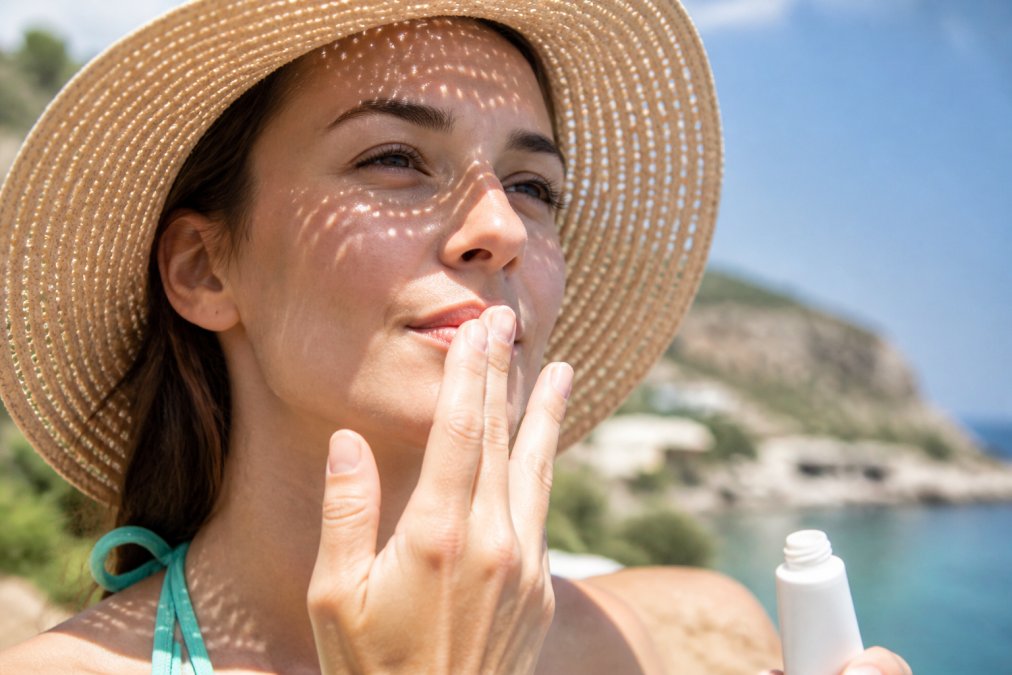
UV exposure is one of the most well-documented triggers. Sunlight exposure to the lips increases outbreak risk through direct viral reactivation from UV-induced immune suppression and physical stress to mucocutaneous tissue. People who regularly use lip sunscreen experience fewer cold sore outbreaks, particularly during summer months.
Hormonal changes trigger outbreaks in many women, particularly around menstrual cycles. Stress and lack of sleep suppress immune function, allowing viral reactivation. Fever from any illness can trigger reactivation. Tissue trauma from aggressive lip balm application, dental work, or accidental lip biting can initiate outbreaks in susceptible individuals.
Prevention strategies based on clinical evidence include:
- UV protection: Use lip sunscreen with SPF 30+ daily, especially during outdoor activities.
- Stress management: Recognize that psychological stress correlates with outbreak timing. Meditation, exercise, and sleep optimization reduce viral reactivation risk.
- Immune support: Adequate sleep, nutritious diet, and management of underlying conditions optimize immune function.
- Trigger avoidance: Identify and deliberately avoid specific triggers, foods, stressors, or seasonal patterns.
- Prophylactic treatment: For people with frequent recurrences (more than six per year), keeping a fast-acting treatment like LipCur on hand enables immediate prodromal-phase intervention.
Clinical data shows that people who identify their personal trigger pattern and implement targeted prevention strategies reduce outbreak frequency by 30-50% compared to those who take no preventive measures.
Recurrence Patterns and Long-Term Management
Once infected with HSV-1, the virus establishes latency in nerve tissue and can reactivate throughout life. Clinical data shows enormous variation in recurrence patterns: some people experience one or two outbreaks per year, while others face monthly or more frequent recurrences.
Recurrence frequency depends on immune function, trigger exposure, and individual viral characteristics. Long-term management focuses on three strategies: trigger management, prophylactic treatment, and rapid intervention during prodromal symptoms.
For people experiencing frequent recurrences, clinical data supports prophylactic oral antivirals. Daily low-dose acyclovir or valacyclovir reduces outbreak frequency by 70-80% in many patients. An alternative approach gaining clinical support is maintaining a fast-acting topical treatment readily available for immediate prodromal-phase intervention. This strategy avoids systemic medication but requires vigilance in recognizing early symptoms.
The psychological impact of recurrent cold sores deserves clinical attention. People with frequent outbreaks report reduced confidence in social and professional settings. Effective management improves quality of life significantly. Clinical data also supports patient education about viral shedding: even without visible lesions, people with recurrent HSV-1 shed virus intermittently.
Long-term success requires accepting that HSV-1 is a chronic condition requiring ongoing management. Clinical evidence supports combining multiple approaches: trigger identification and avoidance, immune optimization through lifestyle factors, and rapid intervention with effective treatments during prodromal phases.
Cold sores remain one of the most common viral infections, yet many people resign themselves to ineffective treatment and recurring outbreaks. Clinical data shows clearly that timing and intervention mechanism matter far more than accepting cold sores as inevitable. When you recognize prodromal tingling and apply a fast-acting treatment immediately, outcomes improve dramatically. Research on herpes simplex virus epidemiology and management confirms that early intervention during the prodromal phase produces the best clinical results. LipCur's specialized formula addresses this critical window with fast-acting relief designed to stop outbreaks in their tracks and help you heal within 24 hours. Get started with LipCur and reclaim your confidence from the first sign of a cold sore.
| Outbreak Stage | Timeline | Treatment Efficacy | Best Intervention |
|---|---|---|---|
| Prodromal (tingling) | 12-48 hours | Highest, can prevent visible lesions | Immediate topical application |
| Vesicle formation | 24-48 hours | Moderate, reduces severity | Fast-acting topical or systemic antiviral |
| Crusting | 3-5 days | Low, minimal time reduction | Protective barrier and symptom relief |
| Healing | 5-10 days | Minimal, outbreak nearly complete | Comfort and scar prevention |
Clinical guidelines on herpes simplex virus management from the American Academy of Dermatology emphasize prodromal-phase intervention as the standard of care. Antiviral efficacy data from the Journal of Clinical Virology demonstrates that treatment timing determines outcomes more than medication choice. Understanding these clinical realities helps you make informed decisions about your cold sore management strategy rather than accepting whatever over-the-counter option happens to be available when an outbreak strikes.
Frequently Asked Questions
What does clinical data show about treating cold sores at the tingling stage?
Clinical research on herpes labialis demonstrates that intervention during the prodromal phase, when tingling and burning sensations first appear, offers the best outcomes. Studies show that antiviral therapy initiated at this stage can reduce blister formation, shorten viral shedding, and minimize outbreak severity. Early treatment with topical or systemic antivirals during this window provides substantially better results than waiting for visible vesicles to develop, making prompt recognition of prodromal symptoms critical for rapid relief.
How long do cold sores typically take to heal according to clinical studies?
Clinical trial data on herpes labialis healing timelines varies by treatment modality. Without intervention, self-limiting cold sore outbreaks typically resolve in 7-10 days. Topical antiviral formulations may reduce this to 4-6 days when applied early and consistently. Systemic antiviral therapy shows similar efficacy. Cold sore healing time statistics demonstrate that early intervention during the prodromal phase yields the fastest results, while treatment initiated after blister formation occurs produces more modest reductions in duration.
Are there significant differences between prescription antivirals and OTC cold sore treatments?
Clinical data reveals meaningful efficacy differences between treatment categories. Prescription antivirals like acyclovir demonstrate stronger pharmacological efficacy in placebo-controlled trials, with greater reductions in viral reactivation and outbreak frequency. Many OTC options provide symptom relief and skin comfort but show limited evidence for shortening viral shedding. The most effective OTC formulations use topical antiviral agents, though their concentration and penetration differ from prescription-strength options. Choice depends on outbreak severity and access to healthcare.
What triggers cold sore recurrence, and can they be prevented?
Clinical research identifies multiple recurrent infection triggers: UV exposure, stress, hormonal changes, and immune suppression are the most documented. Viral latency in nerve tissue means complete prevention is not possible, but trigger avoidance significantly reduces outbreak frequency. UV protection, stress management, and consistent immune support show evidence-based benefits. For individuals with frequent recurrences, suppressive antiviral therapy may be recommended by healthcare providers to reduce viral reactivation and improve quality of life.
Is there a cure for cold sores, and what do current clinical trials suggest?
No cure currently exists for herpes simplex virus infection; the virus remains latent in nerve tissue indefinitely. Clinical trial research focuses on improving therapeutic intervention effectiveness, shortening healing times, and reducing recurrence frequency rather than elimination. Current studies explore enhanced antiviral formulations, immune-modulating approaches, and better understanding of pathogenesis to develop more effective treatments. While a definitive cure remains under investigation, modern clinical data supports highly effective management strategies that minimize impact on daily life.
This article was written using GrandRanker