

Table of Contents
- Why Cold Sores Keep Coming Back
- Cold Sore Triggers to Avoid
- How to Stop Cold Sores Early: Catch the Prodrome Phase
- Daily Habits That Prevent Cold Sores from Returning
- Treatment Options to Shorten an Outbreak
- When to See a Doctor for Cold Sores
- Your Plan to Prevent Cold Sores for Good
- Frequently Asked Questions
Last Updated: September 9, 2026
Why Cold Sores Keep Coming Back
Cold sores are caused by the herpes simplex virus type 1 (HSV-1), and once you carry it, you carry it for life. After the initial infection, HSV-1 travels to nerve cells near your lip and stays dormant until something reactivates it. That reactivation cycle is why cold sores feel impossible to stop permanently.
The virus itself never leaves your body. What you can control is how often it wakes up and how quickly you respond when it does. According to the American Academy of Dermatology's guidance on cold sores, most people who carry HSV-1 experience between one and three outbreaks per year, though frequency varies widely based on individual triggers and immune health.
Prevention is not about erasing the virus. It is about building a defense system that keeps the virus dormant and shortens the window when you are contagious and visible.
Cold Sore Triggers to Avoid
The fastest way to prevent cold sores from returning is to know what flips the switch in your body. HSV-1 reactivation is not random; it is a predictable response to specific physiological stressors. When your immune system is distracted, busy fighting another pathogen, or locally suppressed, the virus seizes the opportunity to replicate and travel down the nerve to your lip.
Ultraviolet Light: The Most Common Trigger
Sun exposure is the single most frequently cited trigger in clinical practice. Ultraviolet (UV) radiation, particularly UVB, directly damages the epithelial cells on your lip and suppresses the local immune response (Langerhans cells) in the skin. This localized immunosuppression creates a temporary safe zone for the virus to reactivate. A day at the beach, a long drive with the window down, or even a reflective snow day can trigger an outbreak 1 to 3 days later.
Actionable defense: Use a lip balm with SPF 30 or higher every day, not just in summer. Reapply every two hours if you are outdoors. Choose a balm with broad-spectrum protection (UVA and UVB) and consider one with a physical blocker like zinc oxide or titanium dioxide, which sit on the skin and reflect UV rays rather than being absorbed.
Physical Trauma and Skin Irritation
Any micro-trauma to the lip area can reactivate the virus. This includes:
- Dental procedures: Routine cleanings, fillings, or longer procedures that stretch or manipulate the lip tissue are a well-known trigger. If you have a dental appointment scheduled, consider asking your dentist about prophylactic antiviral therapy if you have a history of frequent outbreaks.
- Cosmetic procedures: Lip injections (fillers), chemical peels, or laser resurfacing near the mouth can disturb the nerve endings and trigger an outbreak.
- Aggressive face washing or scrubbing: Friction on the lip border can cause microscopic tears that signal the virus to wake up. Use a gentle cleanser and pat your face dry rather than rubbing.
- Lip biting or picking: Chronic lip biting is a common, overlooked habit that creates repeated local trauma.
Systemic Stress: Illness and Fatigue
Your immune system operates on a budget. When it is allocating resources to fight a cold, the flu, or even a severe allergy flare, it has fewer resources to keep HSV-1 in check. This is why cold sores often appear at the tail end of a respiratory infection or during a period of severe sleep deprivation.
- Illness: A fever, common cold, or any viral infection can precede an outbreak.
- Exhaustion: Physical overtraining or chronic sleep restriction (less than 6 hours per night) elevates cortisol, which is immunosuppressive.
- Hormonal shifts: Menstruation is a documented trigger for many women, likely due to the drop in progesterone and shifts in immune cell activity right before the period begins.
The Hidden Trigger: Dietary Arginine Spikes
While the next section covers nutrition in detail, it is worth noting that a single high-arginine meal (a large serving of peanuts, a dark chocolate bar, or a handful of walnuts) can tip the balance for someone who is already borderline. The herpes virus requires arginine to replicate. If you feel the prodrome tingle, avoiding a high-arginine snack in the next 24 hours is a prudent, low-cost defensive move.
Understanding your specific triggers is the first layer of defense. The second layer is building daily habits that raise your body's threshold for reactivation, which we cover next.
How to Stop Cold Sores Early: Catch the Prodrome Phase
The prodrome phase is the warning signal your body sends before a cold sore appears. Most people feel tingling, burning, or itching at the exact spot where the sore will form. This phase typically begins 12 to 24 hours before any visible blister develops.
If you catch the tingling early, you have a real chance to stop the outbreak before it becomes visible. The moment you feel that familiar sensation, apply a fast-acting treatment directly to the spot. Timing is everything here; waiting until the blister forms means the virus has already reached the skin surface.
This is where LipCur earns its reputation. Applying LipCur at the first tingle helps keep the sore small and can prevent the painful swelling phase. One verified buyer, Carrie Clark, described her experience: "My sore stayed small and was gone completely in two days. It never got itchy or tingly or anything."

Daily Habits That Prevent Cold Sores from Returning
Consistent daily habits do more to reduce outbreak frequency than any emergency treatment. The goal is to make your body an unwelcoming host for HSV-1 reactivation. Small routines compound into months without a single outbreak.
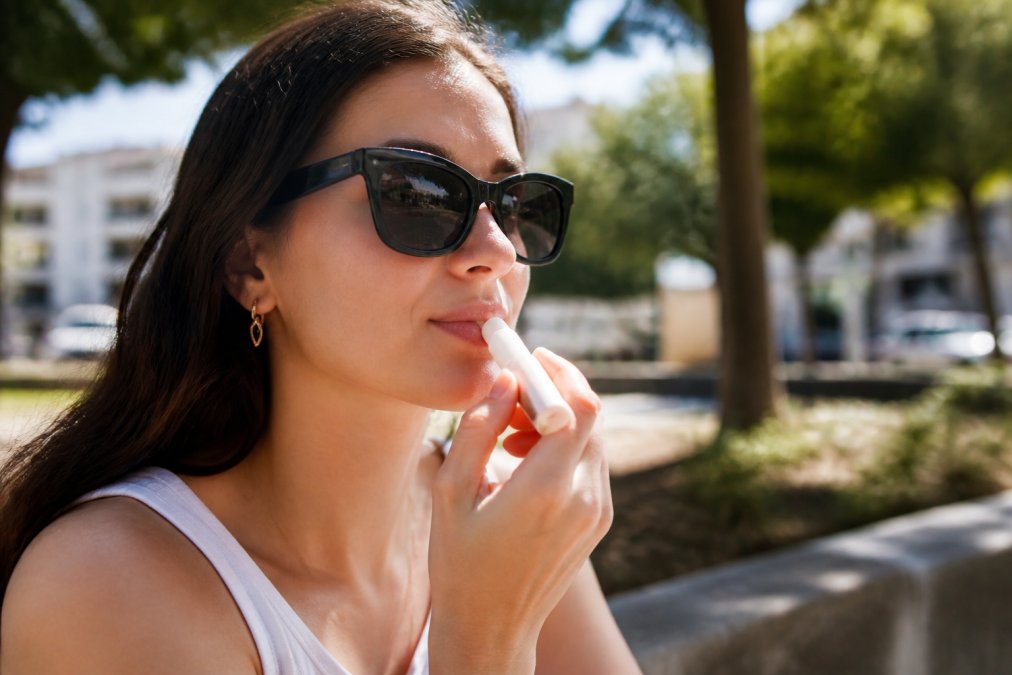
Sun Protection and Lip Care
Sun exposure is a leading trigger, so lip protection belongs in your daily routine year-round. Choose a lip balm with SPF 30 or higher and reapply before extended time outdoors. Sunscreen on your lips works the same way it does on your skin, blocking the ultraviolet light that reactivates HSV-1.
Keep your lips moisturized to prevent cracking. Broken or chapped skin gives the virus an easier entry point and prolongs healing when an outbreak does occur. Dry, cracked lips also make any emerging cold sore more painful and more noticeable.
Stress Reduction and Sleep Hygiene
Stress suppresses immune function, and a suppressed immune system cannot keep HSV-1 dormant. The National Institutes of Health research on stress and viral reactivation confirms that psychological stress correlates with increased herpes simplex virus recurrence rates.
Sleep is your immune system's repair window. Adults who consistently get less than seven hours per night leave themselves vulnerable to reactivation. Prioritize a consistent sleep schedule, especially during known high-stress periods like deadlines, travel, or family obligations.
Dietary Adjustments and Supplements
Nutrition plays a supporting role in outbreak prevention. The amino acid L-lysine has shown promise in reducing outbreak frequency, while arginine, found in nuts and chocolate, may promote viral replication in some people. Many people with frequent outbreaks increase lysine intake through supplements or dietary sources like fish, chicken, and dairy.
A balanced diet rich in vitamins C and E supports overall immune health. Zinc, applied topically or taken orally, has also been studied for its antiviral properties. While supplements are not a guaranteed prevention method, they address the nutritional gaps that can leave your immune defenses short.
Treatment Options to Shorten an Outbreak
Even with strong prevention habits, outbreaks happen. When they do, the goal shifts to shortening duration and minimizing visibility. Over-the-counter topical creams and prescription antiviral medications are the two main approaches.
Prescription antivirals like acyclovir and valacyclovir work systemically to stop viral replication. They are most effective when taken at the first sign of prodrome and require a doctor's visit. For many people, the delay of getting an appointment makes them less practical than a topical option they can keep on hand.
Topical treatments offer immediate access and direct application at the first tingle. The challenge with many traditional creams is slow absorption and limited penetration. LipCur's fast-acting formula is designed to be applied the moment you feel that tingling sensation, working to keep the outbreak from progressing to a full blister.
When to See a Doctor for Cold Sores
Most cold sores resolve on their own within 7 to 10 days, but certain situations warrant professional medical attention. If outbreaks occur more than six times per year, a doctor may recommend suppressive therapy with daily antiviral medication to reduce recurrence frequency.
Seek medical advice if a cold sore does not heal within two weeks, spreads to your eyes, or is accompanied by fever and severe discomfort. People with weakened immune systems, whether from medical conditions or treatments, should consult a doctor about any outbreak. Cold sores near the eyes require immediate attention because the virus can cause corneal damage.
A dermatologist can also help identify your specific triggers and recommend a prevention plan tailored to your outbreak patterns. The Centers for Disease Control and Prevention information on genital and oral herpes notes that antiviral medication can shorten and prevent outbreaks, but a doctor must prescribe the systemic options.
Your Plan to Prevent Cold Sores for Good
Preventing cold sores from returning requires a layered approach. Identify your triggers, protect your lips from sun, manage stress, and keep your immune system strong through sleep and nutrition. Then keep a fast-acting treatment ready so you can respond the instant you feel the prodrome tingle.
| Prevention Layer | Daily Action | Outbreak Response |
|---|---|---|
| Sun protection | SPF lip balm, reapplied | Continue protection even during outbreak |
| Stress management | Consistent sleep, stress reduction | Extra rest at first sign of prodrome |
| Nutrition | Lysine-rich foods, balanced diet | Increase fluids and immune support |
| Early treatment | Keep LipCur on hand | Apply at first tingle, before blister forms |
The people who stop cold sores from controlling their lives share one habit: they act early and they act consistently. They do not wait to see if the tingle turns into something worse. They treat it immediately.
LipCur is designed for that exact moment. Its fast-acting, gentle formula stops outbreaks in their tracks, helps heal cold sores within 24 hours, and prevents the uncomfortable itching and tingling that makes cold sores so disruptive. With a 5.0 out of 5.0 star rating from verified buyers, it is the treatment to keep on hand.
Frequently Asked Questions
Why do I keep getting cold sores back to back?
Back-to-back outbreaks usually mean your immune system is dealing with an active trigger. Common culprits include ongoing stress, poor sleep, excessive sun exposure, or illness. When one outbreak heals, the virus retreats to your nerve cells but reactivates quickly if the trigger remains. Break the cycle by identifying your personal triggers, protecting your lips with SPF lip balm daily, and starting treatment at the first sign of tingling. If outbreaks happen more than six times a year, ask a doctor about suppressive therapy.
Can I take L-lysine every day to prevent cold sores?
Many people take L-lysine daily to reduce outbreak frequency, though research results are mixed. The theory is that lysine blocks arginine, an amino acid the HSV-1 virus needs to replicate. A typical preventive dose is 1,000 mg daily, with some people increasing to 3,000 mg during an outbreak. L-lysine is generally safe, but it can interact with certain medications, so check with your doctor before starting daily use. It works best as part of a broader prevention plan that includes trigger management and early intervention.
Is there a way to never get cold sores again?
No treatment currently eliminates HSV-1 from your body permanently. Once you have the virus, it stays dormant in your nerve cells for life. However, you can significantly reduce how often outbreaks occur and how severe they are. Consistent prevention habits, such as sun protection, stress management, and early antiviral treatment, help many people go years between outbreaks. Prescription suppressive therapy, taken daily, can reduce outbreaks by up to 80% in people who get frequent recurrences. Focus on prevention and early treatment rather than a permanent cure.
How does stress impact the frequency of cold sore outbreaks?
Stress directly suppresses your immune system, which makes it harder for your body to keep HSV-1 in its dormant state. When stress hormones rise, the virus can reactivate and travel to your lip, causing an outbreak. Physical stress from illness, exhaustion, or surgery counts too. You can lower your outbreak frequency by building stress-reduction habits into your routine: regular exercise, consistent sleep, and brief relaxation breaks during the day. If stress is unavoidable, pay extra attention to early warning signs so you can start treatment during the prodrome phase.
Cold sores are frustrating because they feel unpredictable. But once you understand your triggers and build a response system, you take back control. Stop waiting for the next outbreak to ruin your week. Get started with LipCur and heal within 24 hours, so you can put cold sores behind you for good.