

Table of Contents
- How Fast Cold Sore Relief Works
- Benefits of Fast-Acting Cold Sore Treatments
- Best Over the Counter Medicine for Cold Sores
- How Long Do Cold Sores Last?
- Cold Sore Treatment Side Effects to Watch For
- LipCur for Fast Cold Sore Relief
- Frequently Asked Questions
Last Updated: September 26, 2026
How Fast Cold Sore Relief Works
Fast cold sore relief works best when you treat the outbreak early, before the blister fully forms. Cold sores come from the herpes simplex virus, which stays in your body and wakes up when your immune system dips. The sooner you act, the shorter and milder the outbreak tends to be.
The Stages of an Outbreak and Why Timing Matters
A cold sore moves through clear stages, and each one responds differently to treatment:
- Prodrome stage: tingling, itching, or burning near your lip. No visible sore yet.
- Blister formation: small, fluid-filled blisters appear and multiply.
- Weeping and crusting: blisters break, ooze, then form a scab.
- Healing: the scab dries and falls off, often leaving pink skin behind.
Benefits of Fast-Acting Cold Sore Treatments
The main benefit of fast-acting cold sore relief is simple: fewer days of discomfort and less time with a visible sore. Fast treatment can also cut down on how long the virus sheds, which lowers the chance of passing it to someone else through kissing or shared utensils.
Here is what early treatment typically delivers:
- Shorter outbreak duration
- Less pain, burning, and itching
- Smaller, less noticeable blisters
- Lower risk of spreading the virus
- Less chance of a secondary infection from scratching
Shorter Outbreaks and Less Discomfort
Many people find that treating at the first tingle keeps the sore small. A common report is that the blister never fully develops, or it crusts over and heals faster than usual.
Best Over the Counter Medicine for Cold Sores
The best over the counter medicine for cold sores depends on two things: what stage your outbreak is in and what you actually want it to do. If you want to shorten the outbreak, look for docosanol. If you mainly want to numb the pain, benzocaine or lidocaine will do more for you. No single product does both perfectly.
Docosanol, Benzocaine, and Other OTC Options
Here is how the common OTC choices compare:
| Treatment Type | Main Job | Best For | Watch Out For |
|---|---|---|---|
| Docosanol cream | Blocks the virus from fusing with skin cells | Prodrome and early blister stages | Needs reapplication up to 5 times a day; works best if started at the first tingle |
| Benzocaine gel | Numbing | Pain relief on an active, intact sore | Not for children under 2; can cause methemoglobinemia in rare cases |
| Lidocaine cream | Numbing | Larger or painful sores | Can sting on broken skin; do not use on large areas |
| Povidone-iodine ointment | Antiseptic | Preventing secondary infection on a weeping sore | Can stain and dry skin; not an antiviral |
| Zinc oxide cream | Barrier and soothing | Crusting stage | Limited antiviral action; mostly comfort |
| Lysine supplements | May support immune response | People with frequent outbreaks | Mixed evidence; not a fast-acting treatment |
A topical anesthetic like benzocaine or lidocaine numbs the area but does not fight the virus. Docosanol targets the virus itself, which is why it is often the first pick for early-stage outbreaks. Antiviral medication, including acyclovir, valacyclovir, and famciclovir, works differently, these are prescription-strength options your doctor can prescribe for severe or frequent outbreaks, and they are not available over the counter.
Which Treatment Wins at Each Stage
This is the part most guides skip. The right product changes as the outbreak moves through its stages.
- Prodrome (tingling, no visible sore): This is the only window where a topical can realistically stop a blister from forming. Docosanol applied at the first tingle is the strongest OTC play. Prescription oral antivirals started here can cut healing time by roughly a day or more in many people.
- Blister stage (fluid-filled bumps): The virus has already entered skin cells, so docosanol's benefit drops. Shift to pain control, benzocaine or lidocaine, and keep the area clean to avoid a secondary bacterial infection.
- Weeping and crusting: Numbing gels sting more on open skin. Switch to a barrier ointment like zinc oxide or petrolatum, and use povidone-iodine only if you see signs of infection.
- Healing (scab drying): Keep the scab soft with a plain lip balm or barrier cream. Picking it off resets the clock and raises the risk of scarring.
Cost Versus Speed: What You Actually Get
Speed and price do not move together. A few dollars of docosanol started at the tingle often beats a prescription that starts on day three. Prescription antivirals cost more per course and require a doctor visit, but they are the only option shown to reliably shorten an outbreak once blisters have formed. Natural remedies like lemon balm or lysine are inexpensive and low-risk, but the evidence for shortening an outbreak is mixed at best.
How Long Do Cold Sores Last?
Cold sores usually last 7 to 10 days from the first tingle to full healing. The blister stage is the most painful, and the crusting stage is when it starts to look better but can still crack and bleed.
A few things change that timeline:
- Early treatment: can trim days off the total
- Immune health: stress, illness, and poor sleep slow healing
- Location: sores on the lip edge tend to heal faster than ones inside the mouth
- Secondary infection: picking or scratching can add days
Cold Sore Treatment Side Effects to Watch For
Most cold sore treatments are well tolerated, but side effects happen. The most common ones are mild and go away on their own. The trick is knowing which ones you can ride out and which ones mean you should stop and call a professional.
Watch for:
- Redness, swelling, or irritation at the application site
- Dryness, cracking, or peeling skin
- A burning or stinging feeling right after applying
- Headache with oral antiviral medication
- Nausea or stomach upset with prescription pills
- Dizziness or drowsiness with oral antivirals, especially in older adults
Drug Interactions Most Guides Skip
This is the part most guides skip. Oral antiviral medication can interact with other drugs, and the risk goes up if you take several prescriptions. The interaction is usually about how your kidneys clear the drug, not about the cold sore itself.
- Kidney medications, antivirals are cleared by the kidneys, so anything that changes kidney function can raise drug levels in your blood.
- Certain HIV medications, some protease inhibitors and related drugs can push antiviral levels up or down.
- Some seizure medications, carbamazepine and phenytoin can lower antiviral levels, which may make the cold sore treatment less effective.
- Immunosuppressants, including drugs taken after an organ transplant or for autoimmune conditions.
- High doses of pain relievers, especially regular use of NSAIDs, which can stress the kidneys alongside an antiviral.
- Theophylline and certain asthma drugs, these can interact with some antivirals and need dose adjustment.
When to Stop and Call a Doctor
Call a doctor if you notice:
- Trouble swallowing or breathing
- Swelling that spreads beyond your lip, or swelling around the eyes
- A sore that will not heal after two weeks
- Fever or swollen lymph nodes along with the sore
- Signs of a secondary infection, like pus or spreading redness
- Confusion, reduced urine output, or unusual fatigue while taking an oral antiviral, these can signal a kidney problem
If you are pregnant, breastfeeding, or have a weakened immune system, check with your doctor before using any antiviral, even a topical one. The same goes for children under 2, who should not use benzocaine products at all.
LipCur for Fast Cold Sore Relief
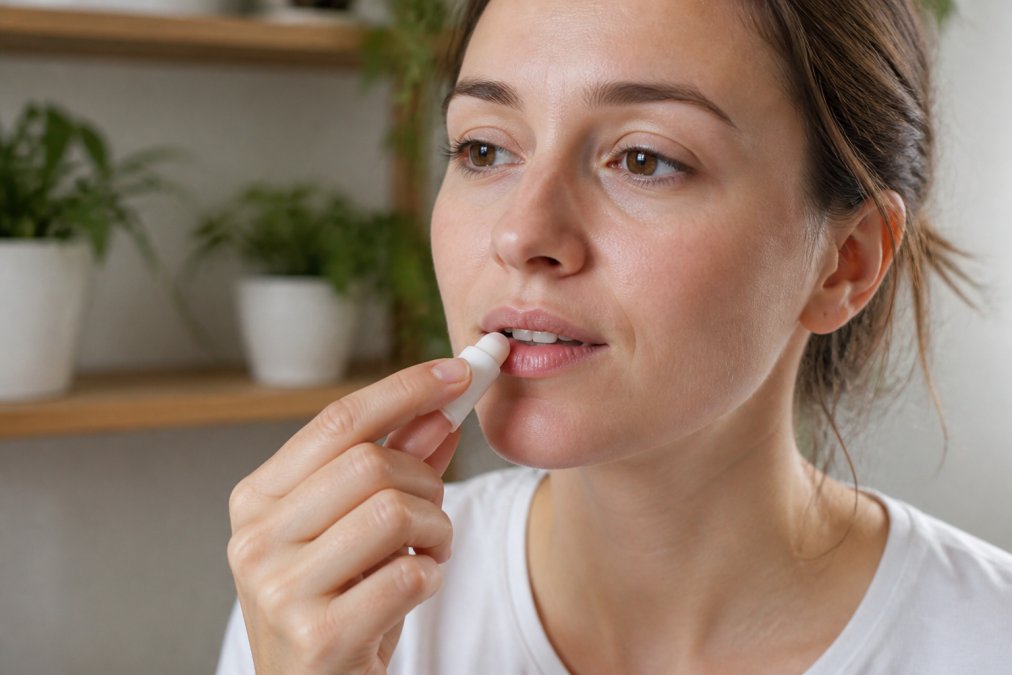
LipCur is a fast-acting, gentle formula built for people who want to stop a cold sore before it takes over. It works within 24 hours, helps heal cold sores fast, and targets the itching and tingling that hit before a sore even shows.
Frequently Asked Questions
Can a cold sore heal in 3 days?
Cold sores typically heal in 7 to 10 days without treatment. With fast-acting cold sore relief, some people see healing in 3 to 4 days, especially when treatment starts at the first tingle. LipCur is designed to help heal cold sores within 24 hours when used early and applied up to five times daily. Individual results vary, so start treatment at the first sign of an outbreak for the best chance of a shorter healing time.
Does cold sore medicine have side effects?
Yes, cold sore treatment side effects vary by type. Topical creams with benzocaine or lidocaine can cause stinging, burning, or redness at the application site. Oral antivirals like acyclovir, valacyclovir, and famciclovir may cause headache, nausea, or dizziness. LipCur uses gentle ingredients like castor seed oil, beeswax, and licorice root extract. Discontinue use and consult a doctor if you notice an adverse reaction or your symptoms worsen.
Are over-the-counter cold sore treatments FDA-approved?
Some OTC cold sore treatments are FDA-approved, such as docosanol cream, which is available without a prescription. Other products, including LipCur, are formulated as cosmetic or skin care products and are not intended to diagnose, treat, cure, or prevent any disease. Check the label for FDA approval status. For prescription-strength options like acyclovir or valacyclovir, you need a doctor's visit.
What is the biggest trigger for cold sores?
Common triggers include stress, fatigue, sun exposure, hormonal changes, and a weakened immune system. The herpes simplex virus stays dormant in nerve cells and reactivates when your body is under pressure. If you get frequent outbreaks, tracking your triggers can help you prevent them. Using a daily cold sore treatment like LipCur may also help reduce how often outbreaks appear.
Cold sores rarely pick a convenient moment. The best defense is a treatment you can reach fast and use the moment you feel that first tingle. LipCur delivers fast-acting relief, a gentle soothing formula, and results within 24 hours, with a 120 day money back guarantee behind it. Get started with LipCur and stop your next outbreak before it takes hold.