

Table of Contents
- Why Non-Greasy Cold Sore Treatments Matter at Work
- Best Over-the-Counter Medicine for Cold Sores
- Cold Sore Stages and Healing Time: When to Start Treatment
- How to Treat a Cold Sore at Work
- Cold Sore Patches: A Discreet Alternative
- Prescription Antivirals vs. Over-the-Counter Options
- Common Mistakes That Slow Healing
- Frequently Asked Questions
Last Updated: October 8, 2026
Why Non-Greasy Cold Sore Treatments Matter at Work
A [cold sore](/blogs/news/how-to-apply-cold-sore-cream-correctly) outbreak can derail your confidence at the worst possible moment. When you're heading into client meetings, presentations, or important social interactions, the last thing you need is a visible, uncomfortable sore on your lip. This is where non-greasy cold sore treatments become essential for professionals who can't afford visible downtime.
Traditional cold sore remedies often leave a greasy residue that's noticeable under office lighting and makes reapplication awkward during the workday. You end up touching your face constantly, risking spread and drawing attention to exactly what you're trying to hide. The right treatment should work fast, stay discreet, and let you move through your day without constant management.
At LipCur, we understand the specific challenges office workers face with cold sore outbreaks. You need something that absorbs quickly, won't leave shine on your lips, and can be reapplied without leaving visible traces. The difference between a greasy formula and a non-greasy one isn't just comfort, it's confidence. A treatment that disappears into your skin lets you focus on work instead of worrying about how your lips look.
Best Over-the-Counter Medicine for Cold Sores
The over-the-counter cold sore market offers many options, but not all formulas are created equal for workplace use. Understanding what makes a treatment effective helps you avoid wasting time on products that won't deliver results when you need them most.
What Makes a Treatment Effective
An effective cold sore treatment addresses three core needs: reducing pain and discomfort, speeding healing time, and preventing visible progression. The best formulas combine active ingredients that target the herpes simplex virus while soothing irritation and supporting skin repair.
Look for treatments containing active ingredients that have been shown to reduce cold sore duration when applied early. The timing matters enormously, applying treatment at the first tingling sensation, before a blister forms, gives you the best chance of stopping the outbreak before it becomes visible. Many people wait until they see a sore to start treatment, which means they've already lost critical time.
A non-greasy formula should use lightweight bases that absorb quickly without leaving a shine. This isn't just a cosmetic preference. A treatment that sits on top of your skin creates friction when you talk, eat, or drink, which delays healing and makes the sore more uncomfortable. The right texture works with your skin, not against it.
LipCur: Fast-Acting Relief Without the Greasy Feel
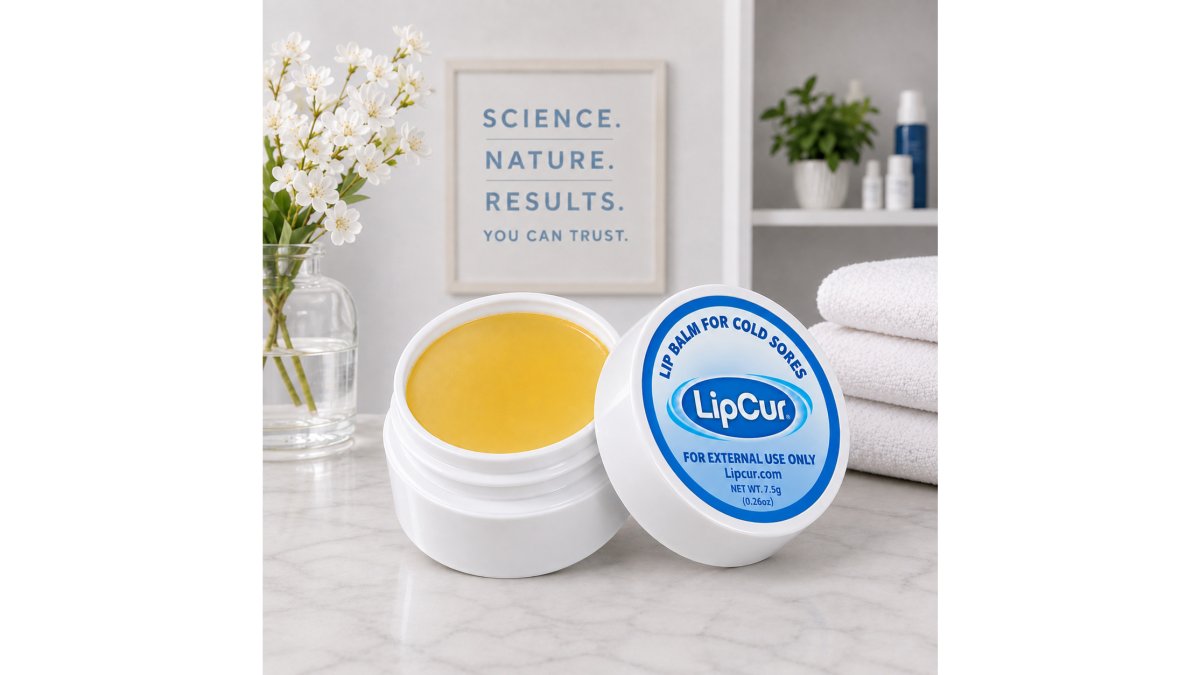
LipCur is formulated specifically for people who need cold sore relief that won't interfere with their professional appearance. The formula combines a fast-acting base with botanical ingredients including Glycyrrhiza Glabra (Licorice) Root Extract, Azadirachta Indica (Neem Leaf) Extract, and Melissa Officinalis (Lemon Balm) Extract, all selected for their soothing and protective properties.
What sets LipCur apart for office use is the texture. It absorbs without leaving a greasy residue, so you can apply it discreetly at your desk or in a meeting room without visible shine.
One verified customer, Carrie Clark, shared her experience: "I was skeptical when I got the sample but decided to give it a go. My sore stayed small and was gone completely in two days. It never got itchy or tingly or anything.
LipCur is available at lipcur.com for $24.95 with a 120-day money-back guarantee, so you can try it risk-free.

Cold Sore Stages and Healing Time: When to Start Treatment
Cold sores follow a predictable progression, and your treatment window matters more than most people realize. Understanding these stages helps you recognize when to act and what to expect from your treatment choice.
A cold sore typically moves through five stages: tingling, blistering, weeping, crusting, and healing. The tingling stage lasts 24-48 hours and is your critical window. This is when the virus is active but no visible sore has formed yet.
Once a blister forms, the outbreak becomes visible and enters the blistering stage. This typically lasts 2-3 days. At this point, treatment can still help reduce pain and speed healing, but you've lost the opportunity to prevent visibility. The weeping stage follows, where the blister ruptures and oozes, lasting another 2-3 days.
The entire process typically takes 7-10 days without treatment. With early intervention and the right formula, many people report significantly faster resolution, with LipCur helping you heal within 24 hours. This is why having a non-greasy cold sore treatment on hand and knowing your early warning signs matters so much for office workers.
How to Treat a Cold Sore at Work
Treating a cold sore during your workday requires a strategy that keeps the outbreak discreet while actually addressing the problem. The right approach balances effective treatment with professional appearance.
Application During the Workday
Apply your cold sore treatment as soon as you feel the first tingling or burning sensation. Don't wait to see if it develops into a full sore, the moment you notice symptoms, start treatment. This is the single most important factor in preventing a visible outbreak.
For office use, choose a treatment that absorbs quickly and doesn't require frequent touch-ups. A non-greasy formula lets you apply treatment and move on without worry. Most effective treatments can be applied 3-5 times daily, so you can reapply after meals or between meetings without concern about visible shine or residue.
Keep your treatment in a desk drawer or bag so it's always accessible. When you feel symptoms coming on, apply it immediately. The first application is critical, don't wait until lunchtime or the end of the day. Early application gives your treatment the best chance to work before a visible sore forms.
If you're in a meeting when symptoms start, excuse yourself briefly and apply treatment in the bathroom or hallway. This 30-second action can prevent days of visible discomfort. It's far less disruptive than dealing with a full outbreak that affects your confidence and presentation throughout the day. (Source: FDA-approved treatments)
Hygiene and Preventing Spread
Cold sores are contagious, and office environments make transmission easy. When you have an active outbreak, take precautions to avoid spreading the virus to colleagues and to other areas of your own body.
Wash your hands immediately after applying cold sore treatment. The virus lives on your hands and can spread to your eyes, other parts of your face, or to other people through handshakes and shared surfaces. This is especially important in an office where you're touching keyboards, phones, and conference room tables.
LipCur - 120 Day Money Back Guarantee →
Don't touch the sore itself unless you're applying treatment. Every touch spreads the virus and can introduce bacteria, which slows healing and increases pain. If you must touch the area, wash your hands immediately afterward.
Avoid sharing drinks, utensils, or lip balm with colleagues. The virus spreads easily through saliva and direct contact. If you use a shared water bottle or coffee cup, wash it thoroughly before others use it.
When the sore is in the crusting stage and you're still contagious, consider using a lip balm or concealer over the crust if needed for professional appearance. This creates a barrier that reduces transmission risk while keeping the area protected.
Cold Sore Patches: A Discreet Alternative
Cold sore patches offer a different approach to managing outbreaks at work. These thin, adhesive patches stick directly to the sore and create a protective barrier.
Patches work by keeping the area moist and protected, which can speed healing compared to leaving a sore exposed to air. They also physically cover the sore, making it less visible than an untreated outbreak. The patch itself is usually flesh-toned or clear, so it's far less noticeable than a red, crusted sore.
The main advantage for office workers is discretion. You apply the patch, and it stays in place through meetings, meals, and the workday without requiring reapplication. You don't have to worry about greasy residue or visible shine.
Patches also create a moist environment that some people find more comfortable than letting a sore air-dry, which can cause cracking and increased pain. If you prefer a covered, protected approach to healing, patches are worth trying. If you want to stop an outbreak before it becomes visible, a fast-acting topical treatment applied during the tingling stage is more effective.
Prescription Antivirals vs. Over-the-Counter Options
Prescription antiviral medications may be appropriate if you have frequent, severe outbreaks. These oral medications work systemically, treating the virus throughout your body rather than just at the outbreak site.
Prescription antivirals are typically reserved for people with multiple outbreaks per year or those with weakened immune systems. They require a doctor's visit and can be more expensive than over-the-counter treatments. The advantage is that they can help reduce outbreak frequency and duration if you're prone to recurrent sores.
Over-the-counter topical treatments like LipCur offer convenience and immediate access. You don't need a prescription, you can start treatment the moment symptoms appear, and they're designed for localized relief. For most people with occasional cold sores, an effective over-the-counter treatment is sufficient and more practical than managing prescriptions.
The choice depends on your outbreak frequency. If you get cold sores once or twice a year, an over-the-counter non-greasy treatment is ideal. If you're dealing with outbreaks monthly or more frequently, talk to your doctor about whether prescription antivirals might help prevent future occurrences.
Common Mistakes That Slow Healing
Many people unknowingly delay their cold sore recovery by making preventable mistakes. Recognizing these patterns helps you avoid them.
Starting treatment too late is the biggest mistake. People often wait until a sore is fully visible before applying treatment, losing the critical tingling stage window. By the time you start, the virus has already progressed significantly.
Using a greasy treatment and then touching your face constantly is another common error. Greasy formulas feel uncomfortable, so people reapply frequently or wipe them off, which spreads the virus and disrupts healing.
Picking at the crust is tempting but harmful. The crust protects new skin forming underneath. Picking it off exposes tender new tissue, introduces bacteria, and restarts the healing clock.
Ignoring hygiene during an outbreak spreads the virus to other people and to other parts of your own body.
Using expired or ineffective treatments wastes time. If a product hasn't worked for you in the past, don't rely on it again.
Cold sores at work don't have to derail your confidence or productivity. The key is starting treatment early with a formula designed for office use, one that works fast, stays discreet, and absorbs without leaving visible residue.
Frequently Asked Questions
What is the best non-greasy treatment for a cold sore?
The best non-greasy cold sore treatments use lightweight formulas that absorb quickly without leaving a shiny residue. LipCur is specifically designed for this, using a formula with castor oil and beeswax that provides fast-acting relief within 24 hours while staying matte on the lips. Over-the-counter antiviral creams also work, but many leave a visible sheen. Look for products labeled as 'fast-absorbing' or 'matte finish' to avoid the greasy feel throughout your workday.
When should I start treating a cold sore for best results?
Start treatment at the first sign of symptoms, the tingling or burning sensation before a blister appears. Early treatment is most effective at shortening the outbreak and reducing severity. If you catch it during the tingling stage, topical antivirals and treatments like LipCur can prevent the sore from becoming visible or significantly reduce its size. Once blisters have formed, treatment still helps, but the window for preventing visible symptoms has passed. Apply your chosen treatment up to five times daily during the early stages for best results.
Can I cover a cold sore at work, and will patches help it heal faster?
Cold sore patches (hydrocolloid bandages) provide discrete coverage and create a moist healing environment that can speed recovery compared to leaving a sore exposed. They're ideal for office settings because they're visible only on close inspection and protect against friction and bacteria. Patches work best when applied early and kept clean. You can layer a patch over topical treatment for added protection, though check product instructions to ensure compatibility.
How long does a cold sore usually last without treatment?
Without treatment, a cold sore typically lasts 7-10 days from the initial tingling through complete healing. With early treatment using topical antivirals or products like LipCur, many people report significantly shorter durations, some as short as 2-3 days if caught during the tingling stage. Prescription antivirals may shorten healing compared to over-the-counter options. The exact timeline depends on your immune system, the severity of the outbreak, and how quickly you start treatment.