

Table of Contents
- 1. Act Fast: How to Stop Cold Sores Early at the First Tingle
- 2. Identify and Manage Your Cold Sore Triggers
- 3. Protect Your Lips from UV Exposure with SPF Lip Balm
- 4. Strengthen Your Immune System Through Diet and Sleep
- 5. Practice Daily Hygiene to Reduce Transmission
- 6. Use Antiviral Treatments and Topical Relief Correctly
- 7. Understand the Cold Sore Healing Timeline and When to See a Doctor
- Conclusion
- Frequently Asked Questions
Last Updated: September 12, 2026
1. Act Fast: How to Stop Cold Sores Early at the First Tingle
Learning how to stop cold sores early comes down to timing. HSV-1 travels along nerve endings toward the skin surface, and the tingling that signals its arrival is your window to act. This guide from LipCur covers seven ways to prevent cold sore blisters, starting with catching an outbreak during the prodromal stage.
Most people wait until they can see something, by then the virus has replicated and you can only manage symptoms. Move earlier and you change the outcome.
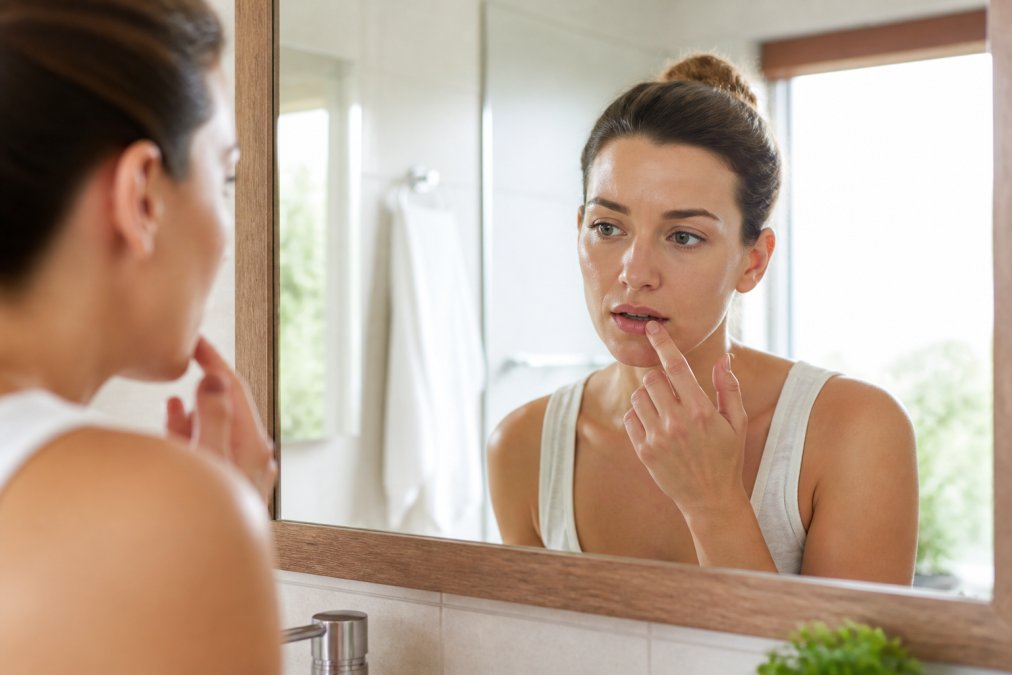
Recognizing the Prodromal Stage
The prodromal stage is the period before visible symptoms appear, when the virus is reactivating but no blister has formed. Warning signs:
- A tingling sensation or pins-and-needles feeling on or around the lip
- Itching, burning, or slight numbness in one small area
- A feeling of tightness or slight swelling
- Occasionally, a mild sore throat or swollen lymph nodes
These signals usually arrive 12 to 24 hours before a blister appears (peer-reviewed research). Learning your own pattern matters more than any general timeline, because recurrence tends to follow a similar script each time.
What to Do in the First 24 Hours
The first 24 hours determine how visible and long-lasting an outbreak becomes. Treat the tingle as if a blister is certain, by the time it itches, viral shedding has often begun.
- Apply a cold compress to reduce inflammation and calm the tingling
- Keep the area moisturized with a gentle barrier product like petroleum jelly
- Start your antiviral or topical treatment immediately, not at the first blister
- Avoid touching, picking, or squeezing the area
- Skip lipstick, shared cups, and lip balm pots until the skin has healed
LipCur was built around this exact window. Its fast-acting formula is designed to stop outbreaks in their tracks and help you heal within 24 hours, which matters most when you start at the first tingle rather than the first blister.

2. Identify and Manage Your Cold Sore Triggers
Cold sore triggers are the conditions that wake a dormant virus. HSV-1 never leaves the body after the initial infection; it settles into nerve tissue and reactivates when your defenses dip. Identifying your personal triggers is the difference between reacting to outbreaks and reducing how often they happen.
Most guides stop at a list. The more useful move is to sort triggers into two buckets: ones you can remove entirely and ones you can only blunt. Removal triggers are worth hunting first because they compound.
Common Physical and Environmental Triggers
Physical stress on the lips and skin is one of the most overlooked categories:
- UV exposure from sun or tanning beds, which damages the skin barrier and is one of the most consistently reported reactivation triggers
- Cracked lips or dry, chapped skin from cold weather, wind, or indoor heating
- Fever or illness, which is why cold sores are sometimes called fever blisters
- Physical injury to the lip, including dental work, lip filler, or a bitten lip
- Fatigue and poor sleep, which weaken immune response
- Surgery or dental procedures that stretch or traumatize the lip tissue
A trigger log helps here. Note each outbreak's date and what happened in the 48 hours before it. After three or four entries, patterns emerge. Track three variables: sleep hours, sun exposure minutes, and lip trauma, those account for a large share of recurrences.
The Dietary Trigger Most Guides Skip: Arginine vs. Lysine
This is the angle most cold sore articles leave out, and it matters if you get outbreaks more than twice a year.
HSV-1 needs the amino acid arginine to replicate, and it competes with lysine for the same transport pathways into cells. When lysine is abundant relative to arginine, the virus struggles to build new copies; when arginine dominates, replication is easier.
The takeaway is not 'avoid all arginine', that is neither possible nor healthy, since arginine is in nuts, seeds, chocolate, and many proteins and plays real roles in blood flow and immune function. Keep the ratio tilted toward lysine during high-risk windows.
Foods relatively high in lysine include:
- Dairy: milk, yogurt, cheese
- Eggs
- Fish, especially salmon and sardines
- Poultry
- Legumes such as lentils and chickpeas
Foods relatively high in arginine include:
- Nuts, especially peanuts and almonds
- Seeds, especially sunflower and sesame
- Chocolate and cocoa
- Gelatin-based foods
Many people report that a heavy nut or chocolate week lines up with an outbreak. That is anecdotal and the research on lysine and cold sores is mixed, but the mechanism is plausible enough that practitioners suggest a pragmatic trial: for two to three months, note your arginine-heavy foods alongside outbreak dates. If a pattern shows up, you have your answer without giving up foods you enjoy.
Hormonal and Emotional Triggers
Hormonal shifts are a major driver for many people, particularly around menstruation, pregnancy, and perimenopause; treatments that alter hormone levels can do the same. Emotional stress belongs here too, not because it is 'all in your head,' but because sustained stress measurably weakens immune function: cortisol rises, sleep quality drops, and the surveillance that keeps HSV-1 suppressed fades.
'Avoid stress' is useless advice, you cannot avoid a deadline or a sick child. What works better is a pre-emptive protocol: identify the weeks you know will be hard and start preventive habits two to three days before, not the morning the tingle shows up.
A simple pre-emptive protocol looks like this:
- Three days before a known high-risk window: prioritize seven to nine hours of sleep, add an SPF lip balm to your morning routine if it is not already there, and shift meals toward lysine-rich foods
- During the window: keep a cold sore treatment within arm's reach so you can act at the first tingle, not the first blister
- After the window: note in your trigger log whether an outbreak happened. Over a few cycles, you will learn whether your pre-emptive habits are actually moving the needle
3. Protect Your Lips from UV Exposure with SPF Lip Balm
Sun protection is one of the most effective and least discussed ways to prevent cold sore outbreaks. UV exposure is a well-documented trigger and the lips are among the most sun-exposed areas on the body (PubMed). An SPF 30 or higher lip balm blocks the UV damage that reactivates the virus in many people.
The mistake most people make is treating SPF lip balm as a beach-only product. It belongs in your daily routine, year-round:
- Apply an SPF 30+ lip balm every morning, even in winter
- Reapply every two hours outdoors, and after eating or drinking
- Choose a broad-spectrum formula that blocks both UVA and UVB
- Pair it with a wide-brimmed hat for high-exposure days
If you use a daily facial sunscreen, do not assume it covers your lips, most formulas are not designed for that skin and wear off faster there. A dedicated SPF lip balm is the more reliable habit.
4. Strengthen Your Immune System Through Diet and Sleep
Immune support is the long game in cold sore prevention. A well-functioning immune system does not eliminate HSV-1, but it keeps the virus suppressed and reduces reactivation. Sleep is the most underrated lever: most adults need seven to nine hours, and chronic short sleep reliably predicts more frequent outbreaks (the CDC).
Sleep: The Lever Most People Underrate
Sleep is where immune memory consolidates and inflammatory signaling resets. Short sleep measurably shifts immune balance toward a state where latent viruses reactivate more easily. If you get outbreaks more than twice a year and routinely sleep under seven hours, fix that first, before any supplement.
A few concrete habits that move sleep quality more than sleep quantity:
- Keep a consistent wake time, even on weekends, a stable wake time anchors your circadian rhythm more than a stable bedtime
- Get bright light within an hour of waking, ideally outdoors
- Cut caffeine by early afternoon; its half-life is long enough to still be active at bedtime
- Keep the bedroom cool and dark; core body temperature needs to drop for sleep to deepen
Key Nutrients That Support Immune Defense
Nutritional deficiencies are under-covered in most cold sore guides. Certain nutrients play a direct role in immune function and skin repair:
- Lysine, an amino acid found in dairy, fish, and legumes, which competes with arginine for cell entry and may help limit viral activity
- Vitamin C and zinc, both involved in immune cell function and wound healing
- B vitamins, particularly B12 and folate, which support nerve and immune health
- Vitamin D, which plays a role in immune regulation
The diet-outbreak relationship is not fully settled, and no single food prevents cold sores on its own. A consistent, nutrient-dense diet beats a restrictive one. If you suspect a deficiency, ask a clinician about testing rather than self-diagnosing.
Preventative Supplement Protocols: What the Evidence Actually Supports
Most cold sore guides skip this section entirely, and it matters if you get frequent outbreaks. The idea behind preventative supplementation is to keep the lysine-to-arginine ratio tilted in your favor between outbreaks, not just during them.
L-lysine is the most studied option. Evidence is mixed, some trials show reduced outbreak frequency at higher doses, others show little effect, but it is generally well tolerated, and many practitioners suggest a trial for frequent recurrences. A common approach is a daily maintenance dose during high-risk periods with a higher dose at the first tingle. Because dosing depends on health history, kidney function, and other medications, discuss it with a clinician rather than self-prescribing.
Vitamin C and zinc are worth checking if your diet is low in either. Zinc is involved in immune cell function and deficiency is more common than assumed. Do not exceed the upper limit on zinc long-term, it can interfere with copper absorption.
Vitamin D is worth testing rather than guessing. Many adults run low, especially in winter or if they work indoors. Correcting a deficiency is different from megadosing, and testing is the only way to know which you are doing.
B12 and folate matter most if you are vegetarian, vegan, over 50, or on medications that affect absorption. A deficiency in either can affect nerve health, relevant given that HSV-1 lives in nerve tissue.
Putting It Together
Sleep and diet work together, and supplements sit on top of both, not in place of them. A high-stress week with poor sleep undermines even a perfect supplement stack. The order that works best:
- Fix sleep first, it is free and it moves the most variables
- Build a nutrient-dense diet with enough lysine-rich protein
- Test for deficiencies before supplementing
- Trial a preventative lysine protocol with a clinician's input if outbreaks are frequent
That sequence is boring, but it holds up.
5. Practice Daily Hygiene to Reduce Transmission
Hygiene protects the people around you and your own skin from reinfection. HSV-1 spreads through direct skin-to-skin contact, and viral shedding can happen even when no blister is visible, you can be contagious without an obvious sore.
Practical habits that reduce transmission:
- Wash your hands after touching your face or applying any lip product
- Never share lip balm, lipstick, utensils, cups, or water bottles
- Use a clean cotton swab or clean fingers to apply topical treatments, never a shared applicator
- Replace your lip balm after an outbreak ends
- Avoid kissing and intimate contact from the first tingle until the skin has fully healed
- Wash pillowcases and towels frequently during an active outbreak
6. Use Antiviral Treatments and Topical Relief Correctly
Antiviral medication and topical treatment work best started early. Prescription oral antivirals can shorten healing time and reduce severity when taken at the first sign of tingling. For frequent recurrences, a clinician may recommend prophylaxis, a daily antiviral regimen to reduce how often outbreaks occur.
Over-the-counter topicals vary widely in effectiveness. The key is applying them at the prodromal stage, not once a blister has fully formed. Between applications, a cold compress and petroleum jelly remain the simplest, most reliable relief.
This is where LipCur fits into a daily routine. The formula is gentle and soothing, designed to repair and protect skin while reducing the itching and tingling that make an outbreak so uncomfortable. It is not a replacement for prescription antivirals when a clinician recommends one, but it is a practical first line of defense for the tingle you feel before a meeting or a date.
| Approach | Best Used | Typical Role |
|---|---|---|
| Cold compress | First tingle through healing | Reduces swelling and discomfort |
| Petroleum jelly | Throughout outbreak | Protects cracked skin, supports the skin barrier |
| Topical cold sore formula | First tingle onward | Soothes tingling, supports faster healing |
| Prescription oral antiviral | First tingle, clinician-directed | Shortens outbreak duration |
| Daily antiviral prophylaxis | Frequent recurrences | Reduces outbreak frequency |
7. Understand the Cold Sore Healing Timeline and When to See a Doctor
The cold sore healing timeline typically runs 7 to 10 days from first tingle to fully healed skin, though it varies by person and how early treatment starts. Knowing the stages helps you plan around work and social commitments:
- Prodromal stage (day 0-1): tingling, itching, no visible sore
- Blister stage (day 1-2): one or more fluid-filled blisters form
- Ulcer stage (day 2-4): blisters break, leaving a shallow open sore
- Crusting stage (day 4-9): the sore dries and forms a scab
- Healing stage (day 9-12): the scab falls off and skin returns to normal
Outbreaks are most contagious from the first tingle until the sore fully crusts over. See a doctor if you have a weakened immune system, if outbreaks are frequent or unusually severe, if the sore spreads beyond the lips, or if it has not healed within two weeks. A clinician can also confirm whether a sore is actually a cold sore, since other conditions look similar.
Conclusion
The hardest part of cold sore prevention is not knowing what to do, it is acting in the 24 hours before a blister becomes visible, when tingling is the only signal you get. Build the habits that buy you that time: an SPF lip balm in your daily routine, a trigger log, consistent sleep, and a treatment within reach the moment you feel the first tingle.
LipCur was designed for exactly that moment. The fast-acting formula is gentle and soothing, works to stop outbreaks and support healing within 24 hours, and helps prevent the itching and tingling that make cold sores so disruptive. With a 120-day money-back guarantee and a 5.0/5.0 star rating from verified buyers, it is a low-risk way to find out whether faster relief is possible for you. Get started with LipCur and take back control of the next tingle.
Frequently Asked Questions
What is the biggest trigger for cold sores?
The herpes simplex virus (HSV-1) reactivates most often due to UV exposure, stress, fatigue, and hormonal changes. Sunburn on the lips is a leading physical trigger, while emotional stress and illness can weaken the immune system enough to allow the virus to travel back to the skin surface. Identifying your personal cold sore triggers is the first step to preventing outbreaks.
How do I stop a cold sore from forming once I feel the tingle?
Apply a targeted treatment like LipCur at the first sign of tingling or itching. The prodromal stage, which lasts a few hours to a day, is your best window to interrupt the outbreak. Combining early topical treatment with a cold compress and avoiding touching the area can reduce the size and duration of the blister.
What can I do every day to prevent cold sores?
Use an SPF 30 lip balm year-round, manage stress through sleep and relaxation techniques, and eat a diet rich in lysine and vitamin C. Avoid sharing utensils or towels during an active outbreak, and wash your hands frequently. If you get frequent outbreaks, talk to your doctor about daily antiviral prophylaxis.
Can stress cause cold sore blisters?
Yes. Psychological stress raises cortisol levels, which can suppress immune function and give HSV-1 an opportunity to reactivate. Many people notice outbreaks during exams, work deadlines, or emotional upheaval. Stress management techniques like deep breathing, regular exercise, and adequate sleep can lower outbreak frequency.