

Table of Contents
- Cold Sore vs Canker Sore vs Fever Blister: What You Need to Know
- What Is a Cold Sore and What Causes It
- What Is a Canker Sore and Why It Forms
- Cold Sore Symptoms and What to Expect
- Are Cold Sores Contagious and How to Prevent Spread
- How Long Do Cold Sores Last and Healing Timeline
- How to Treat a Cold Sore for Fast Relief
- Key Differences at a Glance
- Frequently Asked Questions
Last Updated: October 6, 2026
Cold Sore vs Canker Sore vs Fever Blister: What You Need to Know
Understanding the difference between a cold sore vs canker sore vs fever blister matters because each has different causes and treatments. At LipCur, we help people manage cold sores quickly, starting with knowing what you're dealing with.

All three cause discomfort in or around your mouth, but treating them the same way wastes time and money.
What Is a Cold Sore and What Causes It
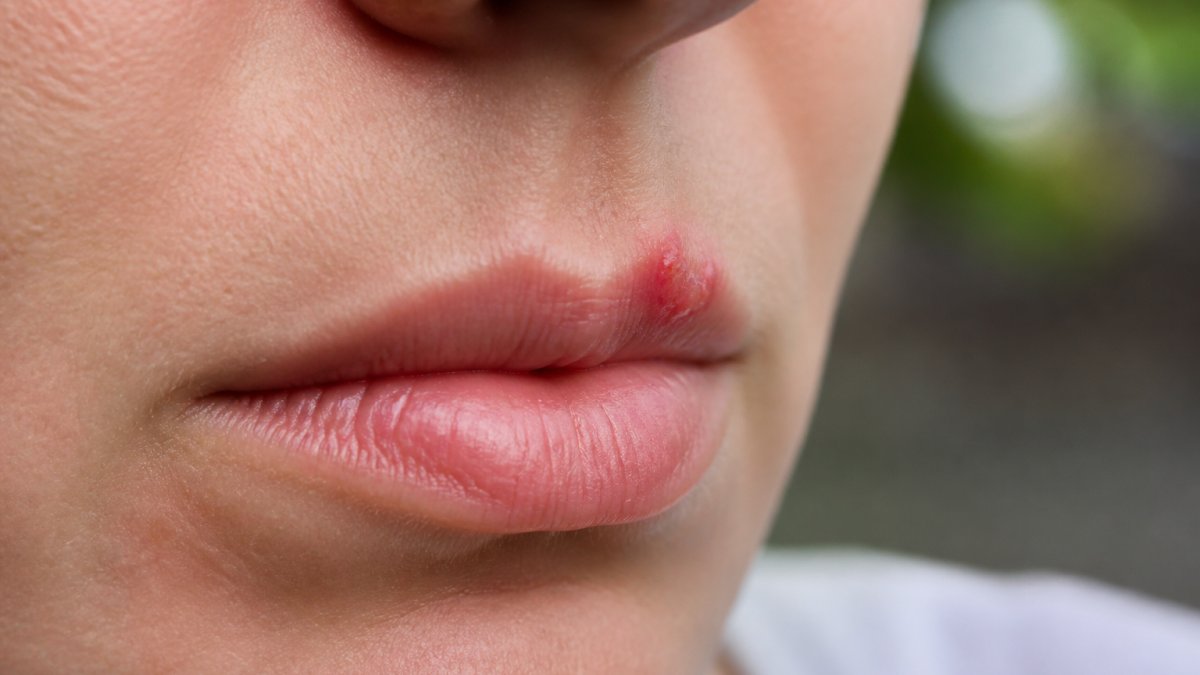
A cold sore is a fluid-filled blister caused by the herpes simplex virus type 1 (HSV-1). Once infected, the virus stays in your body for life, hiding in nerve cells until a trigger activates it. Cold sores appear on the outside of your mouth, typically on the lip, as a cluster of small blisters that merge into one larger, contagious sore.
Common triggers for cold sore outbreaks include:
- Stress and emotional pressure
- Illness or fever (which is why they're sometimes called fever blisters)
- Hormonal changes during menstrual cycles
The virus is most contagious when the blister is oozing, and it can still spread after it crusts over, so careful hygiene matters.
What Is a Canker Sore and Why It Forms
A canker sore is a painful ulcer inside your mouth. Unlike cold sores, it isn't caused by a virus and isn't contagious.
Canker sores appear inside your mouth, cheek, gums, under the tongue, or roof, as a round ulcer with a white or yellowish center and red, inflamed tissue.
Common causes of canker sores include:
- Minor injury from dental work, sharp foods, or accidentally biting your cheek
- Certain foods that irritate your mouth (spicy, acidic, or rough-textured foods)
- Nutritional deficiencies (vitamin B12, zinc, folate, or iron)
Because canker sores aren't viral, they don't recur like cold sores. They usually heal within 7 to 14 days without treatment.
Cold Sore Symptoms and What to Expect
Cold sore symptoms develop in stages.
Stage 1: Tingling (1-2 days before visible sore)
Most people feel tingling, itching, or burning on their lip before any blister appears.
Stage 2: Blister Formation (2-3 days)
A small red bump appears, then fills with fluid.
Stage 3: Oozing (2-3 days)
The blister ruptures and leaks clear fluid, making the sore extremely contagious.
Stage 4: Crusting (5-8 days)
A yellow or brown crust forms.
Stage 5: Healing (1-2 weeks)
The crust falls off, and new skin forms underneath.
Total healing time is typically 7 to 10 days, though some take up to 14.
Are Cold Sores Contagious and How to Prevent Spread
Cold sores are highly contagious during an active outbreak, and HSV-1 can also be shed when no sore is visible. That second point changes how you think about prevention.
How HSV-1 actually spreads
The virus spreads through direct skin-to-skin contact with infected fluid or shedding skin:
LipCur - 120 Day Money Back Guarantee →
- Kissing or any close mouth-to-mouth contact
- Sharing utensils, cups, straws, water bottles, or food
- Sharing lip balm, lipstick, or towels
Canker sores, by contrast, are not contagious, so you don't need to isolate or separate utensils because of one.
Asymptomatic shedding: the part people miss
HSV-1 can be present on the skin and in saliva with no blister, tingling, or visible sign of an outbreak (the CDC). This is asymptomatic shedding, and it's one reason HSV-1 is so common: many transmissions come from people who don't realize they're contagious. Shedding peaks around an active outbreak but doesn't drop to zero between outbreaks. During an active outbreak, treat yourself as contagious until the sore has fully healed; between outbreaks, normal precautions are reasonable, but zero transmission risk can't be guaranteed.
Active-outbreak precautions (be specific)
During an outbreak, do all of the following until the sore is completely healed:
- No kissing, no sharing drinks, no sharing food. This includes bites off the same fork or spoon.
- Dedicate a lip balm to the outbreak and throw it away when the sore heals. Do not dip fingers or applicators back into shared containers.
- Cover the sore with a breathable bandage or a dedicated cold sore patch if you must be around others, and change it as directed.
Red flags: when to seek care promptly
Most cold sores are self-limiting, but some situations warrant prompt care:
- Eye involvement: pain, redness, tearing, blurred vision, or a sore near the eye. Herpes keratitis can threaten vision and needs prompt evaluation (Other Types of Corneal Disease).
- Infants: a cold sore or suspected HSV-1 exposure in a newborn or young infant is a medical emergency. Their immune systems cannot contain the virus the way an adult's can.
- Weakened immune system: people on immunosuppressants, undergoing chemotherapy, or living with HIV may have more severe and longer outbreaks.
How Long Do Cold Sores Last and Healing Timeline
Typical healing progression:
| Stage | Duration | What's Happening |
|---|---|---|
| Tingling (prodrome) | 1-2 days | Virus activating; no visible sore yet |
| Blister formation | 2-3 days | Red bump appears and fills with fluid |
| Oozing | 2-3 days | Blister ruptures; fluid leaks out |
| Crusting | 5-8 days | Crust forms and hardens |
| Healing | 1-2 weeks | Crust falls off; skin regenerates |
| Total | 7-14 days | Complete healing |
Most cold sores heal within 7 to 10 days without treatment; aggressive treatment can accelerate this significantly. LipCur users often report visible improvement within 24 hours and complete healing within 3 to 5 days, depending on how early treatment starts. The earlier you treat a cold sore, the faster it heals; catching it during the tingling stage can prevent the blister from forming.
Factors that slow healing:
- Starting treatment late (after blister forms)
- Picking or scratching the sore
- Not keeping it clean and dry
How to Treat a Cold Sore for Fast Relief
Fast relief starts with the right approach. Cold sores and canker sores need different treatments because they have different causes, and using one product on the other can delay healing or irritate tissue. Treatments are not interchangeable.
Treating a cold sore (viral, HSV-1)
The goal is to slow viral replication and support the skin barrier while the outbreak runs its course. Options fall into three buckets:
1. Over-the-counter topical antivirals
- Docosanol 10% cream is the most widely available nonprescription antiviral in the U.S., labeled for adults and children 12 and older, typically applied five times a day starting at the first sign of tingling, burning, or a blister.
- Abreva is the best-known brand of docosanol; generics are also sold. The FDA allows these OTC because they shorten healing by roughly a day when started early.
2. Prescription antivirals (for more severe or frequent outbreaks)
- Acyclovir, valacyclovir, and famciclovir are the three oral antivirals most commonly prescribed. A clinician may recommend a short course (often 1-7 days) started within 48 hours of symptom onset, or a daily suppressive dose for people who get six or more outbreaks a year.
- Topical acyclovir cream is also available by prescription, typically applied several times daily for about 4 days. These have the strongest evidence base; AAD guidance supports starting antiviral therapy as early as possible.
3. Supportive self-care
- Cool compresses to reduce swelling and pain.
- Lip balm with SPF 30 or higher to blunt sun-triggered recurrences.
- Avoid picking the crust; it prolongs healing and raises infection risk.
What does not work for cold sores: salt-water rinses, numbing gels, and canker-sore patches do nothing to the virus. They may soothe pain but won't shorten the outbreak.
Treating a canker sore (non-viral)
Because canker sores aren't caused by HSV-1, antivirals are useless. The goal is pain control, protecting the ulcer, and addressing the trigger.
- Salt-water or baking-soda rinses to reduce irritation.
- Topical numbing agents such as benzocaine or lidocaine gels for short-term pain relief (follow label directions; benzocaine is not for children under 2).
- Protective barriers like oral gels or canker patches that coat the ulcer so food and teeth stop aggravating it.
Why the distinction matters
Applying a canker-sore numbing gel to a cold sore doesn't treat the virus, and applying an antiviral cream to a canker sore doesn't address its cause and may sting. Matching the product to the cause is the fastest path to relief.
Key Differences at a Glance
| Feature | Cold Sore | Canker Sore | Fever Blister |
|---|---|---|---|
| Cause | Herpes simplex virus (HSV-1) | Injury, irritation, or nutritional deficiency | HSV-1 (same as cold sore) |
| Location | Outside the mouth (on lip) | Inside the mouth (cheek, gums, tongue) | Outside the mouth (on lip) |
| Appearance | Fluid-filled blister, often clustered | Round ulcer with white/yellow center | Fluid-filled blister (same as cold sore) |
| Contagious | Yes, highly contagious | No, not contagious | Yes, highly contagious |
| Healing Time | 7-14 days (3-5 days with treatment) | 7-14 days | 7-14 days (3-5 days with treatment) |
| Recurrence | Yes, virus stays dormant | No, only if cause returns | Yes, virus reactivates |
| Best Treatment | Antiviral formula (like LipCur) | Topical numbing, salt water rinse | Antiviral formula (like LipCur) |
The bottom line: A fever blister is another name for a cold sore. Both are caused by HSV-1, appear outside your mouth, are contagious, and need antiviral treatment.
If you're dealing with a cold sore or fever blister, fast action matters. The tingling stage is your best opportunity to stop the outbreak before it becomes visible. The American Academy of Dermatology confirms that early antiviral treatment significantly reduces healing time and prevents complications.
Frequently Asked Questions
Are fever blisters and cold sores the same thing?
Yes. Fever blister is another name for a cold sore. Both terms refer to the same viral infection caused by herpes simplex virus type 1 (HSV-1). The infection appears as fluid-filled blisters on or around the lips. The term 'fever blister' comes from the fact that they often appear during or after a fever or illness, but they are identical to cold sores in cause, appearance, and treatment.
Can you get a cold sore from kissing someone with a canker sore?
No. Canker sores are not contagious because they are not caused by a virus. They develop from minor injuries inside the mouth, stress, or certain foods. Cold sores, caused by HSV-1, are highly contagious through direct contact like kissing. However, kissing someone with a canker sore will not transmit the infection, as canker sores lack the viral agent that causes cold sores.
How can you tell a cold sore from a canker sore?
The main differences are location and appearance. Cold sores appear on the outside of the mouth, lips, or chin, while canker sores develop inside the mouth on the inner cheek, tongue, or gums. Cold sores start as a red blister filled with clear fluid and often crust over. Canker sores are round ulcers with a white or gray center surrounded by red, inflamed tissue. Cold sores are contagious; canker sores are not.
What kills cold sores the quickest?
Early intervention is key. Applying a fast-acting cold sore treatment like LipCur at the first sign of tingling or itching can stop the outbreak before it fully develops. LipCur is clinically formulated to soothe irritation, reduce redness, and promote faster healing, helping you heal within 24 hours. Apply liberally up to five times per day for best results. Starting treatment as soon as you notice symptoms, before the blister becomes visible, gives you the best chance of stopping it quickly.
Cold sores can derail your confidence right before important moments. That's why we created LipCur, a fast-acting formula designed to stop outbreaks and help you heal within 24 hours. With our gentle, soothing formula and proven results from thousands of satisfied customers, you can face cold sores with confidence. Shop Now and get your 120-day money-back guarantee today.