

Table of Contents
- Why People Search for Abreva Alternatives
- How Over the Counter Cold Sore Medicine Works
- Prescription Antivirals vs. Topical OTC Treatments
- Cold Sore Healing Time: What to Expect
- How to Stop a Cold Sore Before It Starts
- LipCur: A Fast-Acting Alternative That Delivers Results
- Cost-Effectiveness and Accessibility
- Frequently Asked Questions
Last Updated: September 29, 2026
Why People Search for Abreva Alternatives
When a cold sore appears, speed matters. Not all remedies work the same way, some deliver results within hours, others take days. The difference comes down to formulation, active ingredients, and how quickly the treatment reaches the viral site. (Source: herpes simplex virus type 1 (HSV-1))
An abreva alternative aligns with your outbreak pattern, timeline, and body's response. Some people find Abreva doesn't speed healing enough, experience prolonged tingling, or need prevention rather than just treatment.
You have options: prescription antivirals, OTC creams, and specialized formulations like LipCur each take different approaches. Understanding how they work helps you pick the right fit.

How Over the Counter Cold Sore Medicine Works
OTC treatments fall into two categories: barrier creams and antiviral creams. Barrier creams protect the sore and reduce moisture loss but don't fight HSV-1 directly. Docosanol, the active ingredient in many OTC products, interferes with viral replication at the cell membrane level, slowing spread and reducing healing time.
Specialized formulations combine antivirals with soothing botanicals and skin-repair ingredients. LipCur uses castor oil and beeswax with licorice root extract, lemon balm, and neem leaf to address both viral infection and discomfort.
Barrier creams manage symptoms; antiviral creams slow replication; specialized treatments do both. Topical application reaches the sore directly, delivering faster results than oral medications.
Prescription Antivirals vs. Topical OTC Treatments
This is where the real decision point emerges. Prescription antivirals, valacyclovir and acyclovir, work differently than topical creams, and they're suited to different situations.
Prescription Options: Valacyclovir and Acyclovir
Prescription antivirals work systemically via bloodstream. Valacyclovir is more commonly prescribed due to better bioavailability. Both inhibit viral DNA polymerase, stopping replication inside cells.
They work systemically throughout your body. For frequent or severe outbreaks, daily suppressive therapy prevents outbreaks entirely, a game-changer for recurrent infections triggered by stress, hormonal changes, or immunosuppression.
They take 7-10 days for significant healing and require a doctor's visit and prescription, adding cost and delay when you need immediate relief.
Topical treatments work faster because they act directly on the sore. For quick visible relief, a fast-acting topical like an abreva alternative beats waiting for oral medication.
Why Early Intervention Matters
The prodromal stage (tingling before visible sores) is your best window. Applying topical antiviral immediately can prevent the sore or reduce severity. Research shows early treatment reduces healing time by 1-2 days, the difference between 48 hours and a week.
Most people notice the sore after it's visible, missing the prevention window. Many with frequent outbreaks combine topical treatment with daily suppressive therapy: oral medication prevents outbreaks, topical cream handles breakthroughs.
Cold Sore Healing Time: What to Expect
Healing time varies by treatment timing, type, immune function, and viral load. Understanding realistic timelines helps you choose between topical and prescription approaches.
Without treatment: 7-10 days. The sore progresses through prodrome (tingling, 6-48 hours), erythema (redness, 1-2 days), vesicle (blisters, 2-4 days), ulceration (open sore, 1-5 days), crust (5-8 days), and resolution. Peak pain and visibility occur during vesicle and ulceration stages.
With topical OTC antiviral (docosanol) at prodromal stage: 3-5 days. Docosanol reduces healing time by 1-2 days when applied before visible blistering. The sore may not form or forms much smaller. This is the best-case scenario for topical treatments.
With topical OTC antiviral after sore is visible: 5-7 days. Topical antivirals reduce pain and support healing but cannot prevent the outbreak from running its course. You're managing an active infection, not preventing one.
With prescription oral antiviral within 72 hours: 5-7 days. Prescription antivirals work systemically but take 24-48 hours to show improvement. For single outbreaks, the advantage over topical treatment is modest. The real benefit is suppressive therapy (daily dosing), which reduces outbreak frequency by 70-80% in recurrent cases.
With specialized formulations like LipCur at prodromal stage: 2-3 days. Licorice root extract, lemon balm, and neem leaf slow viral replication while reducing inflammation. Users report faster visible improvement (within 24 hours) versus standard docosanol, though clinical trial data is limited.
Key variables affecting your timeline:
LipCur - 120 Day Money Back Guarantee →
- Immune function: Compromised immunity (HIV, immunosuppressive medications) extends healing and increases severity. Prescription suppressive therapy is often recommended.
- Outbreak frequency: First-time sufferers experience longer, more severe outbreaks. Your immune system becomes more efficient with repeated exposure.
- Viral load: Higher viral load correlates with longer healing and more severe symptoms.
- Application frequency: Topical treatments require reapplication every 2-3 hours. Inconsistent application extends healing.
- Individual variation: Genetics, age, and health affect healing speed.
The timing advantage is real: Treatment during the prodromal stage reduces healing time by 1-3 days versus treatment after visible blistering. Keep a topical antiviral on hand and apply it immediately at the first sign of tingling, itching, or numbness.
How to Stop a Cold Sore Before It Starts
HSV-1 is unpredictable, but you can reduce outbreak frequency and severity by addressing your triggers.
Stress is the most common trigger. High cortisol suppresses immunity, allowing dormant virus to reactivate. If outbreaks cluster around stressful periods, stress management (sleep, exercise, relaxation) becomes part of your strategy.
Hormonal changes trigger outbreaks in many people, especially women. Menstrual cycles, oral contraceptives, and perimenopause can increase frequency. If this is your pattern, discuss daily suppressive therapy with your doctor.
Immune suppression from illness, medications, or immunocompromised conditions increases vulnerability. Preventive strategies matter more in these cases.
Sun exposure can trigger outbreaks. Use SPF lip balm during outdoor activities.
Applying treatment at the first sign of tingling (prodromal stage) is your most reliable prevention strategy. Apply immediately when you feel tingling, itching, or numbness. This single action can prevent the sore from forming.
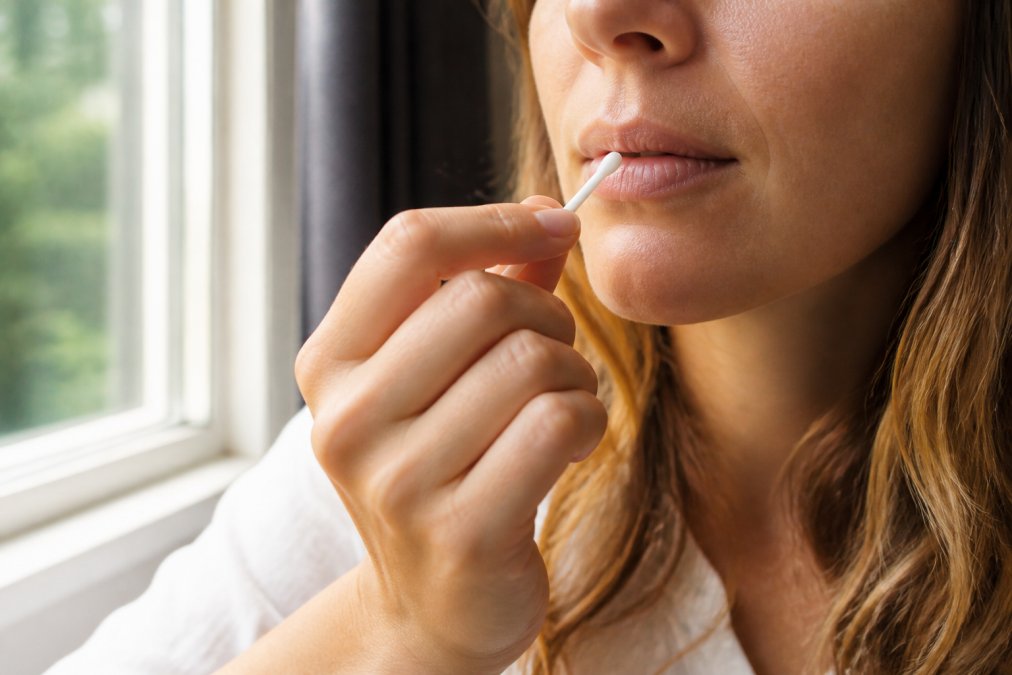
LipCur: A Fast-Acting Alternative That Delivers Results
LipCur combines antiviral botanicals with skin-repair ingredients to stop outbreaks and accelerate healing. The formula includes castor oil and beeswax for protection, plus licorice root extract, lemon balm, and neem leaf to address viral infection and irritation.
Most users report visible improvement within 24 hours. Tingling stops, redness decreases, and the sore either doesn't form or forms much smaller.
One verified customer, Carrie Clark, reported: "I was skeptical when I got the sample but decided to give it a go. My sore stayed small and was gone completely in two days. It never got itchy or tingly or anything. Don't sleep on this, even if you're skeptical!"
LipCur is applied topically up to five times daily and can be used preventively. At $24.95, it's more expensive than basic creams but cheaper than prescription antivirals and doctor visits.
Cost-Effectiveness and Accessibility
Cost and accessibility are often the deciding factors between OTC and prescription treatments. The sticker price tells only part of the story; what matters is the total cost per outbreak and how easily you can obtain the treatment when you need it.
OTC barrier creams: $3-8 per tube. Manage symptoms and moisture but don't fight the virus.
Cost-effectiveness decision framework:
- 1-2 outbreaks per year: OTC antiviral cream ($2-4 per outbreak, $4-8 annually) is most economical. LipCur ($5-10 per outbreak) is reasonable if you value faster healing.
- 3-5 outbreaks per year: OTC remains cost-effective ($8-20 annually). Consider telehealth suppressive therapy if outbreaks are severe or predictable. Suppressive therapy costs $100-200 annually and reduces frequency by 70-80%.
- 6+ outbreaks per year: Prescription suppressive therapy wins. Daily valacyclovir plus one telehealth visit costs $130-275 annually and prevents most outbreaks, beating repeated OTC treatments on cost and quality of life.
Accessing prescription antivirals affordably: the telehealth route
Availability and timing
Frequently Asked Questions
What is the strongest over-the-counter medicine for cold sores?
Docosanol-based creams like Abreva remain the most studied OTC option, but many users find alternatives more effective. LipCur delivers fast-acting relief within 24 hours with a clinically formulated blend that stops outbreaks and reduces healing time. Prescription antivirals like valacyclovir or acyclovir cream offer stronger clinical efficacy if you can access them, but OTC products provide immediate availability without a doctor's visit.
How long does it take for OTC cold sore treatments to work?
Most over-the-counter cold sore treatments reduce healing time from 7-10 days to 3-5 days when applied early. LipCur works within 24 hours when applied at the first sign of symptoms like tingling or itching. The key is starting treatment during the prodromal stage, before the sore becomes visible. Prescription antivirals require a prescription and early application.
Can I use acyclovir cream without a prescription?
Acyclovir cream requires a prescription in most cases. However, oral acyclovir can be prescribed for daily suppressive therapy if you have frequent outbreaks. If you prefer over-the-counter options without a prescription, topical treatments like LipCur or docosanol provide accessible alternatives that don't require a doctor's visit. Talk to your doctor about which option fits your outbreak frequency and lifestyle.
Will an alternative to Abreva actually stop a cold sore from becoming visible if I catch it early?
Yes, if you apply treatment during the prodromal stage, when you feel tingling or itching but before the sore appears, you can significantly reduce or prevent visible symptoms. LipCur is formulated to stop outbreaks in their tracks when applied at the first sign. The earlier you start, the better your results. Once a sore is fully formed, any treatment will reduce healing time but may not prevent visibility entirely.